




The First Step in a 508-Kilometre Journey
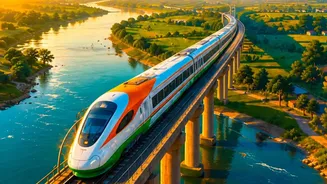
The Surat-Vapi section is the curtain-raiser for the much larger Mumbai-Ahmedabad High-Speed Rail (MAHSR) corridor. This ambitious 508-kilometre project, being executed by the National High Speed Rail Corporation Limited (NHSRCL), aims to drastically
cut travel time between two of India's most important economic hubs. While the full line is being constructed in phases, the decision to operationalise the Gujarat portion first marks a significant strategic milestone. Recently, a key step was achieved with the energisation of the overhead electrical equipment on the 50-km Surat-Bilimora stretch, a part of the initial launch section. This successful test of the power systems paves the way for trial runs, which are anticipated to begin around May 2027.
Why This Section, and Why Now?
The choice of the Surat-Vapi corridor as the inaugural route is based on practical and strategic considerations. Construction progress, including land acquisition and civil works like laying viaducts and setting up piers, has been most advanced in the Gujarat portion of the project. This has allowed the NHSRCL to fast-track the installation of tracks, signalling, and power systems. According to Railway Minister Ashwini Vaishnaw, the first service is targeted to begin in late 2027. Launching this section first allows engineers and operators to conduct extensive testing and gather real-world operational data. It serves as a crucial proof of concept for the entire high-speed network, demonstrating its capabilities and ironing out any issues before the full corridor, including the complex undersea tunnel in Maharashtra, is completed.
What 'High-Speed' Really Means
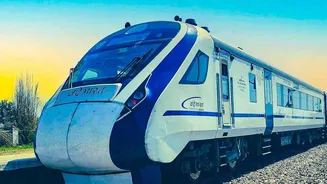
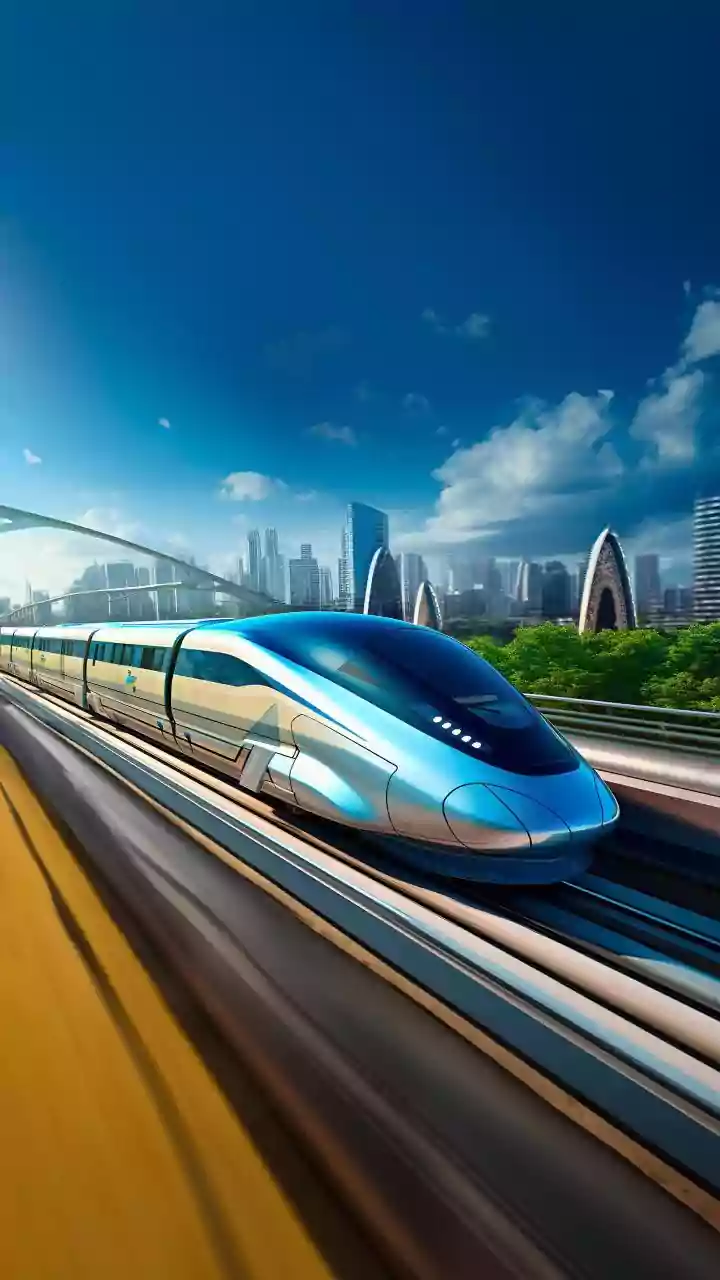
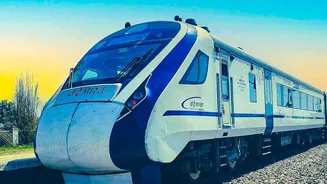
The MAHSR project is being developed using Japan's renowned Shinkansen technology, a system famous for its safety and punctuality. The trains are designed to operate at speeds of up to 320 kilometres per hour. However, the initial trials will be conducted with an indigenously developed B-28 trainset, which is designed for speeds up to 280 kmph. This is a significant leap from the current top speeds of the Indian Railways network. The infrastructure itself is a marvel of modern engineering, featuring an advanced 2x25 kV overhead traction system to supply consistent power. The entire route is elevated to avoid disruptions and ensure safety, with specially designed noise barriers and bridges built to withstand the pressures of high-speed travel.
The Road Ahead to Mumbai
While the 2027 launch in Gujarat is a celebrated milestone, work continues at a rapid pace on the rest of the corridor. Following the Surat-Vapi launch, the line is expected to extend to Ahmedabad and then progressively towards Mumbai. The Maharashtra section involves significant engineering challenges, most notably a 21-kilometre tunnel, of which 7 kilometres will run under the sea at Thane Creek — India’s first undersea rail tunnel. Work on this section is well underway, with massive tunnel boring machines deployed. The entire Ahmedabad-Vapi section is targeted for completion by the end of 2027, with services reaching Thane by 2029. The project also represents a boost for domestic manufacturing, with major components for the electrification and track systems being made in India.