



First, What Is El Niño?
El Niño, Spanish for 'the little boy', is the warm phase of a natural climate pattern in the tropical Pacific Ocean called the El Niño-Southern Oscillation (ENSO). It occurs every two to seven years when trade winds weaken, allowing warm surface water
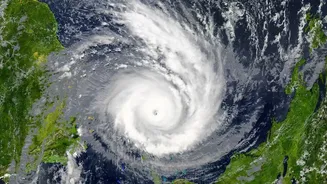
that is normally pushed towards Asia to spread eastward, towards the Americas. This shift in ocean heat changes atmospheric circulation and disrupts weather patterns worldwide, often causing intense storms in some regions and severe droughts in others. This is not just a distant weather event; its effects are global, influencing everything from the Indian monsoon to winter temperatures in North America.
A 'Super' Event in the Making
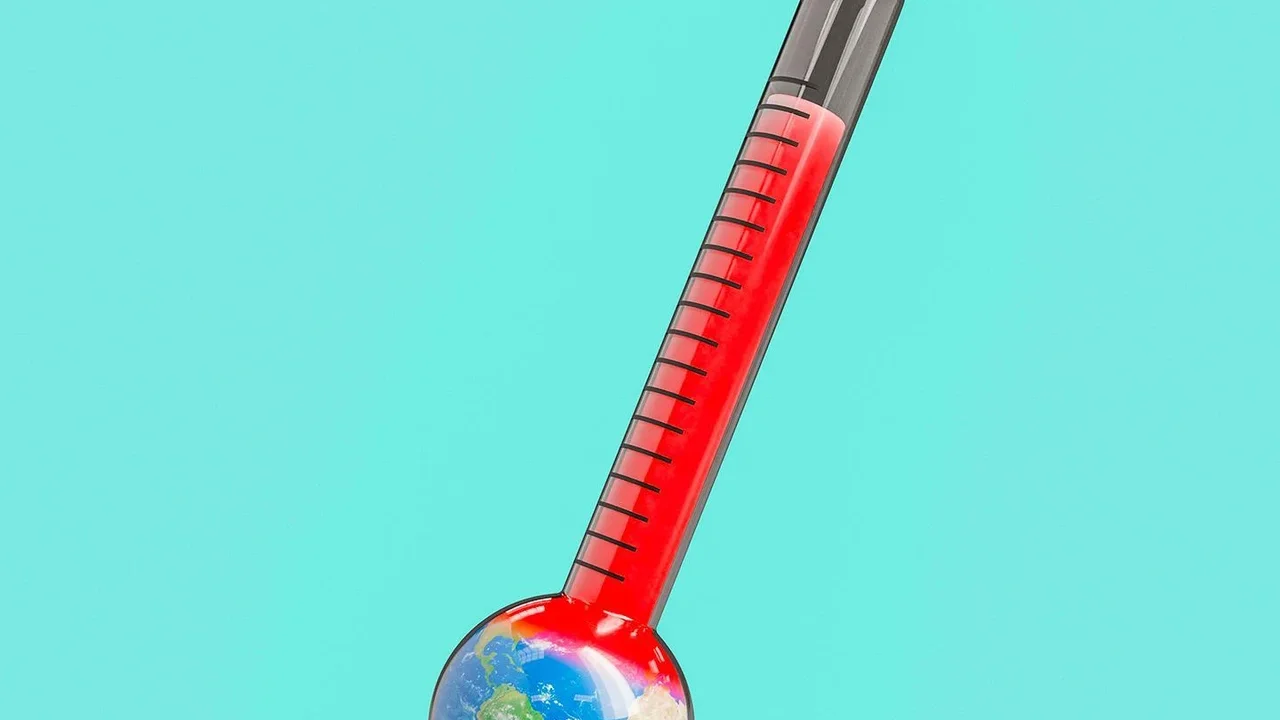
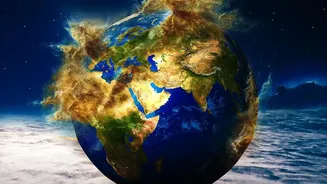
The current El Niño, which began developing in 2026, is forecast to be particularly powerful. The World Meteorological Organization (WMO) has issued unusually strong warnings, stating with near-100% certainty that the event will persist through February 2027. Some forecasts suggest this could become a 'super' El Niño, rivaling the historic events of 1997-98 and 2015-16. This intensification is fueled by exceptionally warm ocean conditions, which not only strengthen the event but also provide more heat for it to release into the atmosphere, compounding the effects of baseline global warming. As a result, 2027 is widely expected to become the hottest year on record.
Why the Effects Will Linger Into 2027
While an El Niño event itself typically lasts nine to twelve months, its impact on global temperatures often peaks in the year after its development. This lag happens because it takes time for the vast amount of heat released from the Pacific Ocean to circulate through the atmosphere and affect global averages. Scientists at agencies like the Indian National Centre for Ocean Information Services (INCOIS) and America's National Oceanic and Atmospheric Administration (NOAA) project that the strong El Niño conditions will last until at least March 2027. After the event weakens, its influence on weather systems can continue for months, meaning the heat exposure and altered rainfall patterns it causes will not disappear overnight.
What This Means for India
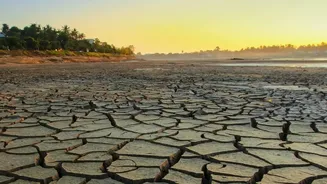
For India, a strong El Niño is a major cause for concern. The phenomenon is historically linked to weaker monsoon rains and an increased risk of drought, particularly in the northern parts of the country. A deficient monsoon can lead to lower crop yields, reduced water levels in reservoirs, and a subsequent rise in food prices. Experts have warned this El Niño could increase the risk of a warmer-than-normal winter and an unusually hot pre-monsoon season in 2027, raising the threat of dangerous heatwaves. While other factors like the Indian Ocean Dipole can sometimes offset El Niño's effects, a strong event increases the probability of significant disruption to India's agriculture and water security.
A Glimmer of Hope for the 2027 Monsoon?
Interestingly, forecasts also suggest that El Niño's cooler counterpart, La Niña, could emerge during the 2027 Southwest Monsoon season. La Niña typically brings enhanced rainfall to the Indian subcontinent. This potential transition from a strong El Niño to a La Niña phase offers a possibility that the 2027 monsoon could recover, though scientists caution that this is only a forecast and the situation remains uncertain. For now, the focus remains on preparing for the immediate challenges posed by the prolonged period of increased heat and unpredictable weather driven by one of the most powerful climate patterns on Earth.