





The Problem with 'Packaged'
For years, the advice has been to avoid packaged foods. But this guidance is often too simplistic. Virtually all food available in a supermarket has been processed in some way, whether it's washed, cut, canned, or frozen. The real distinction, as new
research highlights, isn't whether a food comes in a box or a bag, but the extent and purpose of its processing. A bag of pre-washed spinach and a bag of cheesy puffs are both "packaged," but they are worlds apart in nutritional value and their effect on your health. This is where a more nuanced understanding becomes essential for making genuinely healthy choices.
Introducing Ultra-Processed Foods
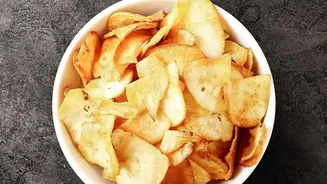
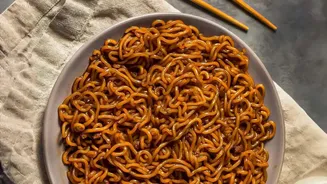
Scientists and nutritionists now use a system called NOVA to classify foods into four groups based on their level of processing. The category causing the most concern is Group 4: ultra-processed foods (UPFs). These are not just modified foods; they are industrial formulations made from substances extracted from foods or synthesized in labs. Think sugary drinks, packaged snacks and cookies, instant noodles, and many ready-to-eat meals. They often contain long lists of additives like preservatives, emulsifiers, and artificial flavours and colours—ingredients you wouldn't typically use in a home kitchen.
What the New Research Says
A growing body of research, including large-scale umbrella reviews from 2026, has drawn a strong link between high consumption of UPFs and a range of negative health outcomes. Recent studies connect diets high in UPFs to an increased risk of heart disease, stroke, type 2 diabetes, obesity, and even mental health disorders. One major study found that adults with the highest intake of UPFs had a 47% higher risk of a heart attack or stroke. Researchers believe these risks stem not just from the high sugar, salt, and unhealthy fat content, but potentially from the industrial processing itself, which can alter food structure and introduce chemicals from packaging.
Not All Processing Is Bad
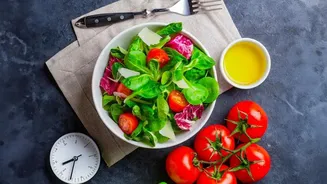
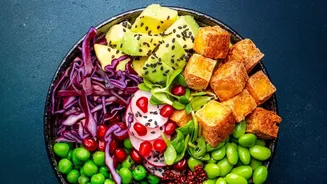
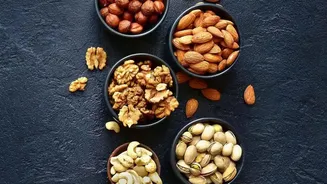
This is the crucial part: not all packaged foods are UPFs. Minimally processed foods, like canned beans, frozen fruits and vegetables, plain yogurt, whole-wheat pasta, and roasted nuts, can be incredibly healthy and convenient. These foods are altered for preservation or convenience but their fundamental nutritional profile remains largely intact. For example, canning tomatoes at their peak can lock in nutrients, and frozen vegetables are just as nutritious as fresh ones. These items are valuable tools for building a quick, healthy meal and should not be lumped in with UPFs.
How to Spot a UPF
Learning to distinguish UPFs on the supermarket shelf is a powerful skill. The easiest way is to read the ingredient list. Long lists with unfamiliar, chemical-sounding names are a major red flag. Look for ingredients like modified corn starch, hydrogenated oils, protein isolates, high-fructose corn syrup, and various emulsifiers or flavour enhancers. A simple rule of thumb: if the original food is no longer recognizable from the ingredient list, it's likely ultra-processed. In contrast, a can of chickpeas should just list chickpeas, water, and maybe salt.
Making Smarter Choices
The goal isn't to achieve dietary perfection overnight but to make gradual, informed swaps. Instead of buying a flavoured yogurt loaded with sugar and additives, choose plain yogurt and add your own fruit and a drizzle of honey. Swap a sugary breakfast cereal for rolled oats or a minimally processed whole-grain option. Instead of a pre-made pasta sauce with added sugars, look for one with a simple ingredient list of tomatoes, herbs, and olive oil. Choosing the least processed option available is a simple, effective strategy for improving your diet without adding stress to your life.