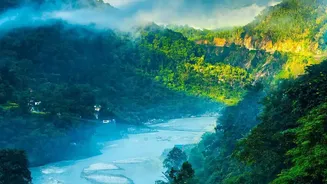



A Disaster Along the Trishuli River
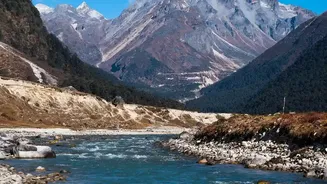
On August 26, 2026, a major flash flood, possibly triggered by an ice-rock avalanche in the Himalayas near the Nepal-China border, tore through the Bhote Koshi and Trishuli river corridors. The disaster caused a massive loss of life and extensively damaged
infrastructure like roads, bridges, and towns in the Rasuwa, Nuwakot, and Dhading districts. This was not a typical monsoon event but a specific, catastrophic incident concentrated along this river system. While the monsoon season generally brings rain and landslide risk across Nepal from June to September, this flood was an extreme event. The situation remains serious, with search and rescue operations ongoing and hundreds of people, including tourists, reported missing.
Which Areas Are Affected?
The primary damage is concentrated along the Bhote Koshi-Trishuli river corridor. Authorities specifically advise avoiding areas like Syabrubesi, Timure, and Rasuwagadhi at the Nepal-China border. The Langtang trekking region, which is accessed through Syabrubesi, is currently inaccessible due to extensive damage. Several international governments have issued advisories, with some recommending against non-essential travel to areas within 50 kilometres of the Trishuli River in Rasuwa, Nuwakot, and Dhading districts. Some key highways, including sections of the Prithvi Highway, experienced temporary blockages but are being cleared. Travellers are advised to expect disruptions and check road status before journeys.
Are Major Tourist Hubs and Treks Open?
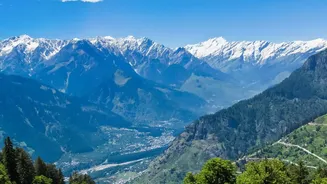
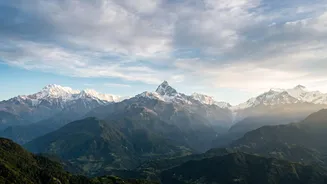
Crucially, for many travellers, most of Nepal's main tourist destinations and trekking circuits remain entirely outside the disaster's path and are functioning normally. Kathmandu and its international airport, Pokhara, and Chitwan are not directly impacted by this specific flood event, although downstream alerts were issued for Chitwan. According to the Trekking Agencies' Association of Nepal (TAAN), iconic trekking regions like Everest, Annapurna, and Manaslu are unaffected and considered safe to visit. These popular areas remain open for the autumn trekking season. The key exception is the Langtang region, which is currently closed to tourists due to the damage to its access routes.
What Should Travellers Do Now?
If you have a trip to Nepal booked for September, the most important step is to verify your specific itinerary. Do not assume the entire country is off-limits. Contact your tour operator or trekking agency immediately. They will have the most current on-the-ground knowledge of trail conditions and transport routes. If your plans involved the Langtang region or overland travel to Tibet via the Rasuwagadhi border, you will need to make alternative arrangements. For those heading to unaffected areas like the Everest or Annapurna regions, trips are expected to proceed. However, it is essential to build flexibility into your schedule, as even outside the main disaster zone, monsoon-related travel delays can occur. Ensure you have comprehensive travel insurance that covers medical evacuation and trip cancellations or changes.