



The Psychology of a Welcoming Space
Interior design is often treated as a purely visual medium, but our sense of touch is deeply tied to our emotions. When we encounter materials like wood grain, nubby linen, or cool stone, our brains process these sensations in a way that fosters a sense of calm
and connection. Research shows that tactile input can activate the brain's emotional centres more directly than visual information alone. Smooth, synthetic surfaces like high-gloss lacquer or acrylic can feel sophisticated and modern, but may also come across as cold or impersonal in a living space. In contrast, textured materials are perceived as more approachable and warm, turning a house into a sanctuary where your nervous system can relax.
The Graceful Patina of Natural Materials
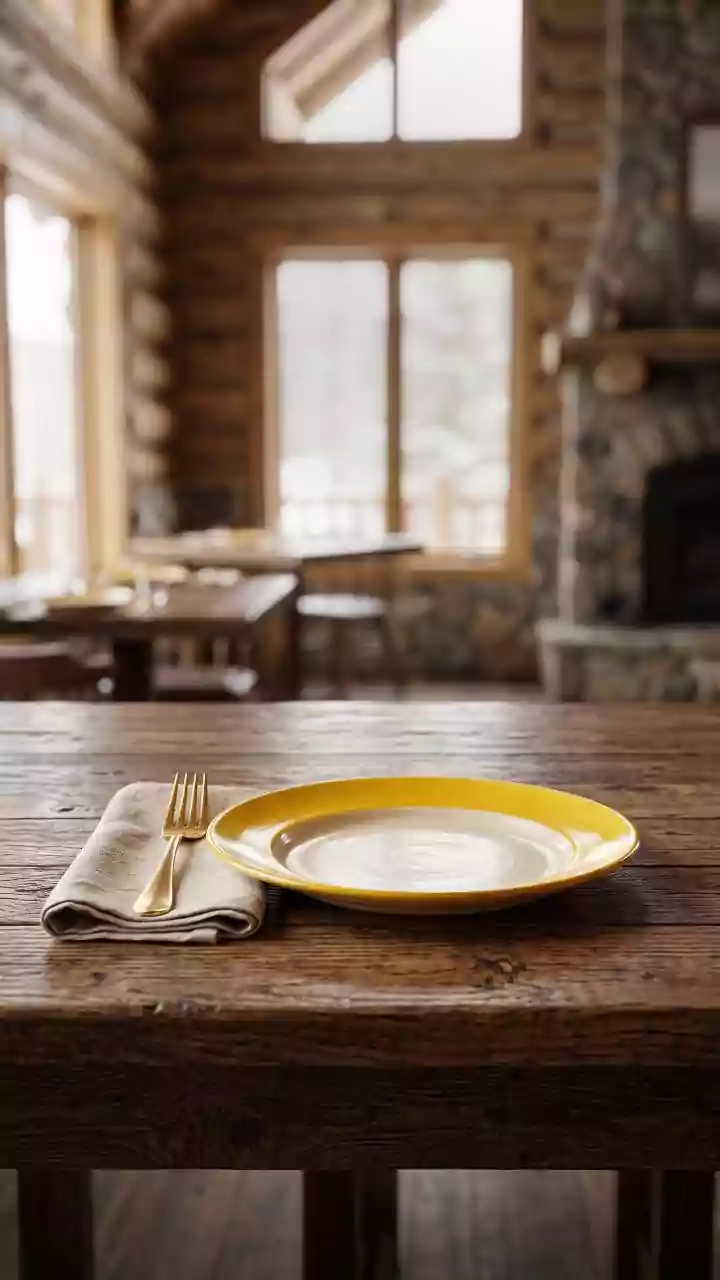
One of the most significant differences between tactile and glossy finishes is how they handle the passage of time. Natural materials like solid wood, leather, and unlacquered brass develop a patina; they change gracefully through daily use, light, and touch. A wooden table may deepen in colour, while leather becomes more supple. These changes add character and tell a story, making the piece uniquely yours. Synthetic glossy surfaces, on the other hand, are designed to maintain a perfect, uniform appearance. When they inevitably get scratched, chipped, or scuffed, the damage stands out as a flaw rather than a feature. A scratch on a high-gloss cabinet door detracts from its perfection, whereas a similar mark on a rustic wooden bench can feel like part of its history.
Timeless Appeal Versus Fleeting Trends
High-gloss and synthetic finishes are often linked to specific design eras that can quickly look dated. Think of the lacquered furniture of the 1980s or the ultra-glossy kitchens that dominated the 2010s. Because these looks are so distinctive, they can anchor a room firmly in the past. Natural, tactile materials possess a more timeless quality. A solid oak dining table or a wool rug can fit seamlessly into various design styles, from rustic to minimalist to contemporary. Their inherent visual interest comes from the material itself—its grain, weave, or texture—rather than a trend-led finish. This makes them a more flexible and sustainable foundation for your decor, allowing you to update smaller accents as your tastes evolve without replacing major investment pieces.
The Practical Side of Daily Living
Beyond aesthetics, there's a practical argument to be made. Glossy surfaces are notoriously high-maintenance. They show fingerprints, dust, and smudges with frustrating clarity, requiring constant wiping to look their best. Textured surfaces, particularly those with matte or natural finishes, are far more forgiving of the realities of daily life. A nubby bouclé sofa or a jute rug can hide minor imperfections and wear, making them ideal for busy households with children or pets. While some natural materials require specific care, their overall maintenance is often focused on preservation rather than the constant pursuit of a flawless, reflective shine.
Simple Ways to Introduce More Texture
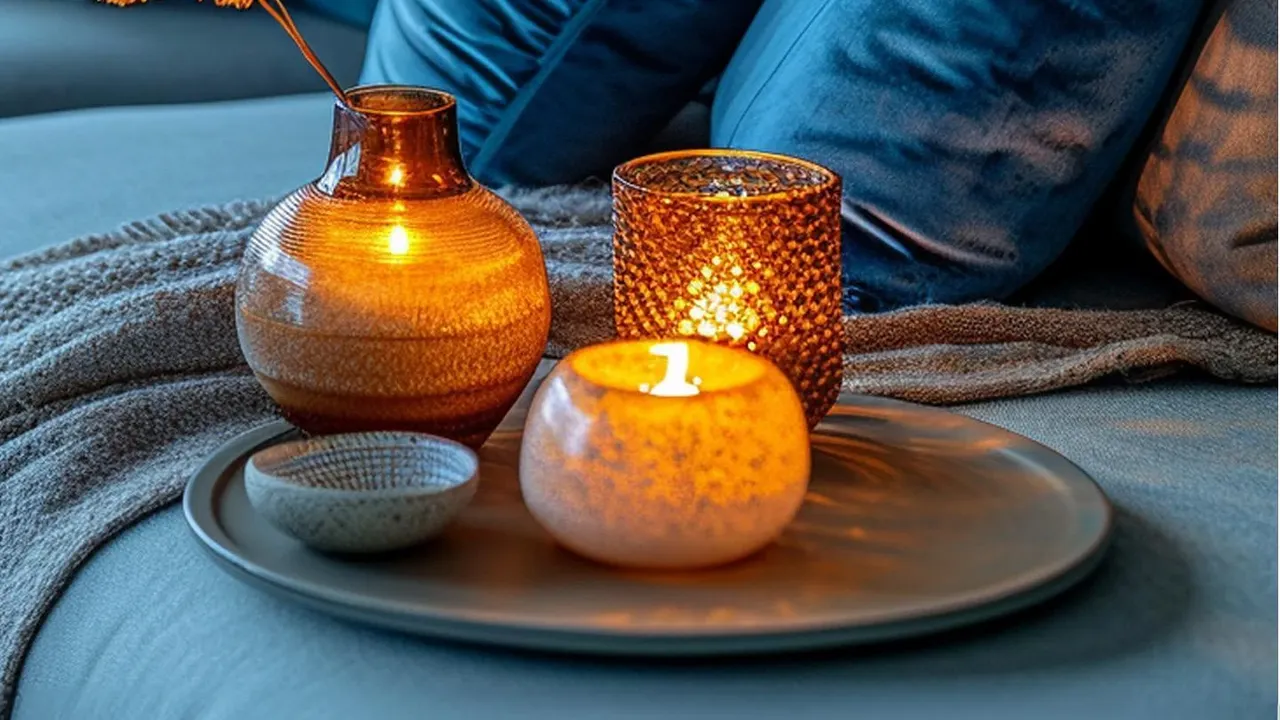
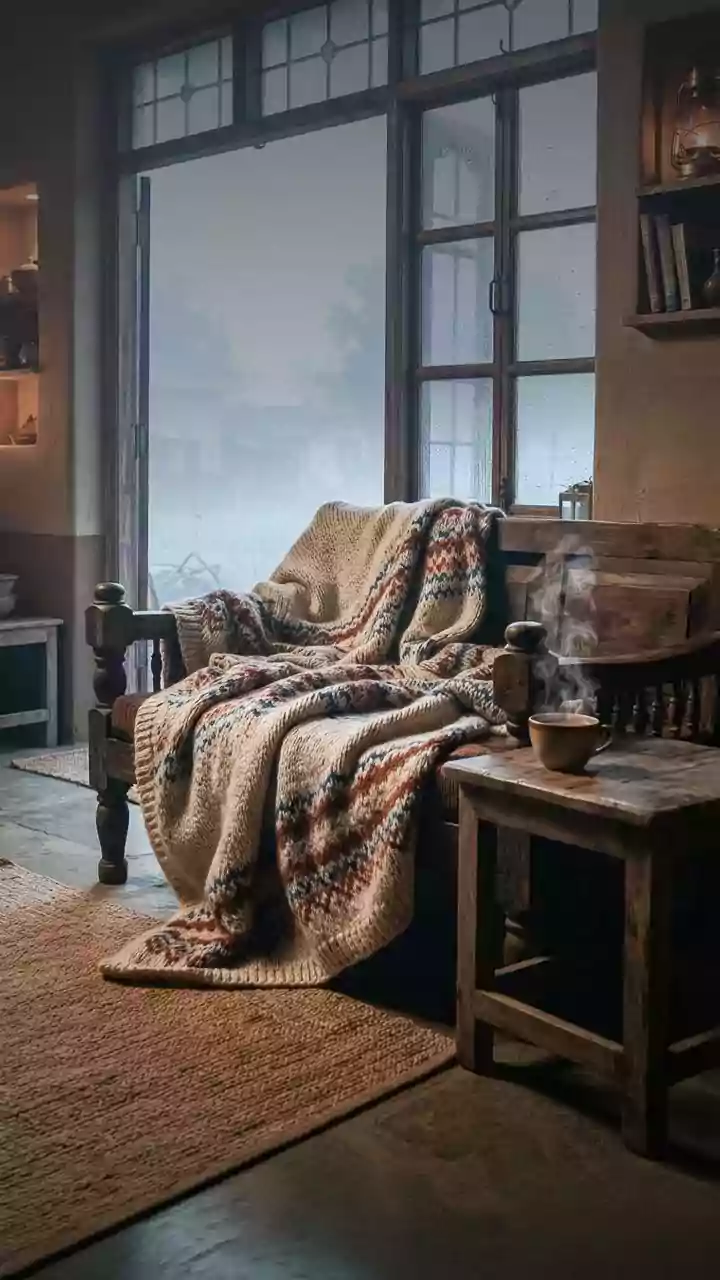
Incorporating tactile decor doesn't require a complete overhaul. You can start small to add depth and warmth to any room. Consider layering different fabrics like wool, linen, and velvet through throw pillows and blankets. Introduce natural elements like wooden trays, woven baskets, or ceramic vases. Even a statement rug made of jute or wool can fundamentally change how a room feels underfoot and to the eye. The goal is to create a layered sensory experience, mixing rough with smooth and soft with hard to build a space that is visually interesting and emotionally comforting.