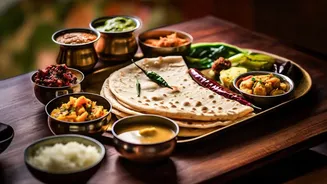




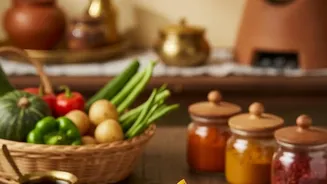
The Glory of Leafy Greens
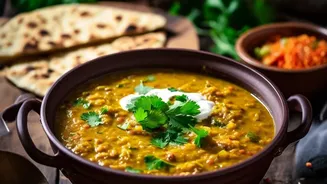
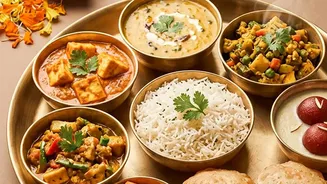
Winter is the season for vibrant green vegetables, most notably mustard greens (sarson), spinach (palak), fenugreek (methi), and chenopodium (bathua). These greens are the heart of one of North India's most iconic winter dishes: Sarson ka Saag. Traditionally,
mustard leaves are slow-cooked with other greens like spinach and bathua, then blended into a coarse, creamy texture. Tempered with ginger, garlic, and onions, this hearty dish is famously served with Makki ki Roti (maize flour flatbread) and a dollop of white butter, creating a comforting meal that defines Punjabi winter cuisine. These greens are not just flavourful; they are packed with vitamins A, C, and K, strengthening immunity and bone health.
Sweetness of Winter Carrots
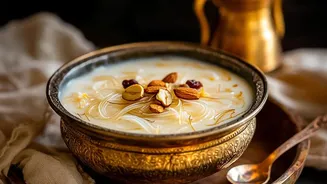
While carrots are available year-round, the deep red variety that appears in Indian markets during winter is special. These carrots are sweeter, juicier, and less fibrous, making them the perfect ingredient for the quintessential winter dessert, Gajar ka Halwa. This beloved pudding is made by slow-cooking grated carrots in full-fat milk until the liquid reduces and the carrots are tender. Ghee, sugar, and cardamom are added, creating a rich, aromatic dessert often garnished with chopped nuts and raisins. Beyond dessert, winter carrots and fresh green peas come together in a simple but delightful Gajar Matar Sabzi, a quick and healthy addition to any weekday lunch.
The King of Winter Casseroles: Undhiyu
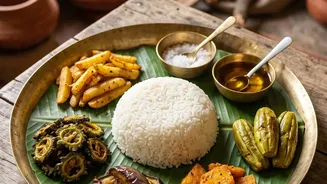
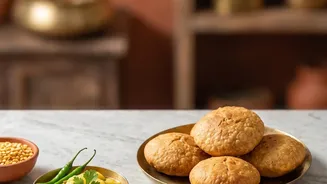
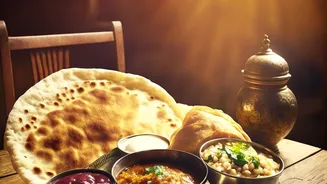
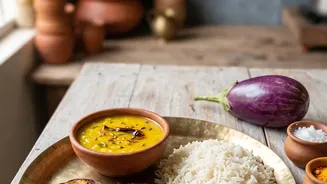
Hailing from Gujarat, Undhiyu is a complex, one-pot dish that is a true celebration of winter's bounty. Its name comes from the Gujarati word 'undhu', meaning 'upside down', referring to the traditional method of cooking it in an earthen pot buried underground. This mixed vegetable casserole features a medley of seasonal produce, including surti papdi (hyacinth beans), purple yam, sweet potatoes, and baby eggplants. The vegetables are often stuffed with a masala of coconut, coriander, and spices, and cooked alongside fenugreek dumplings called 'muthia'. Typically prepared for the festival of Uttarayan in January, Undhiyu is a festive, communal dish best enjoyed with hot puris.
Hearty Millets for Warmth
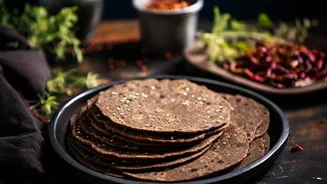
Winter meals often feature heartier grains that provide sustained energy. Millets like bajra (pearl millet) and jowar (sorghum), along with maize flour (makki), take centre stage. In states like Rajasthan, Gujarat, and Maharashtra, flatbreads made from bajra, known as Bajra Bhakri or rotla, become a staple. These rotis have a rustic, earthy flavour and are traditionally paired with vegetable curries, lentil dishes, or a simple garlic chutney. Similarly, Makki ki Roti is the indispensable partner to Sarson ka Saag in Punjab. These millets are naturally warming and rich in fibre, protein, iron, and magnesium.
Earthy Root Vegetables
The colder months bring an abundance of root vegetables to the market, including radish (mooli), turnip (shalgam), and beetroot. Mooli is a winter favourite in North India, famously stuffed into parathas for a flavourful and filling breakfast. Radishes are also high in fibre and packed with vitamins. Turnips are often cooked with other vegetables in sabzis or added to dishes like Sarson ka Saag for extra depth. Beetroots, with their deep colour and earthy sweetness, are versatile enough for salads, juices, and savoury preparations, while being lauded for their antioxidant properties.