
For Luscious Sauces: Peppers that Melt
The goal for a great vegetarian sauce is often a smooth, luxurious texture and deep, concentrated flavour. This requires peppers that break down well when cooked, releasing their sugars and colour into the dish. The most common and versatile choice is the bell
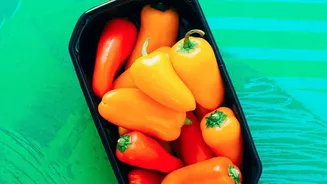
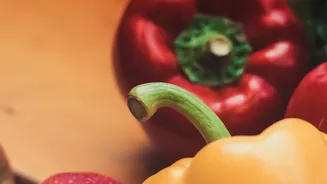
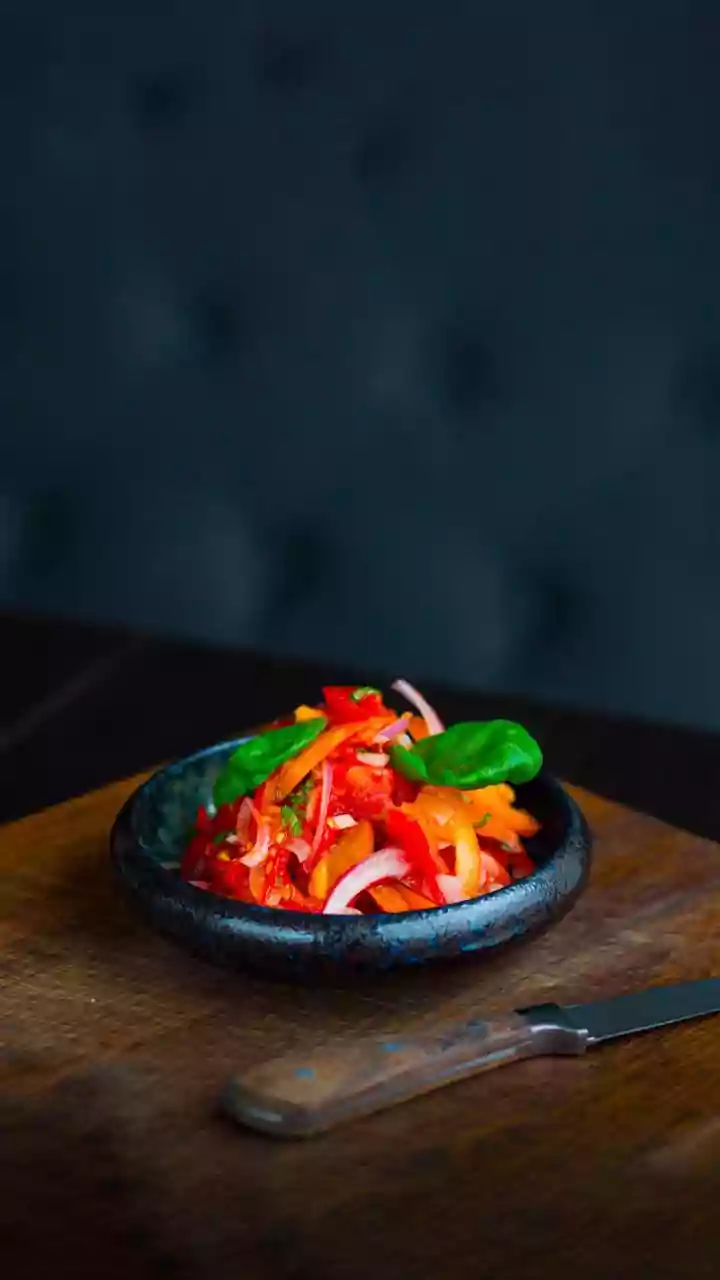
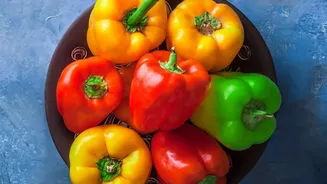
pepper, or Shimla Mirch. Red bell peppers are the sweetest and ideal for roasting to create smoky, rich sauces for pasta or as a base for curries. Their high sugar content caramelises beautifully, lending a sweetness that balances tangy tomatoes or earthy spices. Yellow and orange varieties are slightly less sweet but still contribute a wonderful, fruity character and vibrant colour. Green bell peppers, being the least ripe, have a more grassy, slightly bitter flavour that works well in savoury preparations but won't provide the same sweetness.
Adding Colour and Nuance: Indian Chillies for Gravies
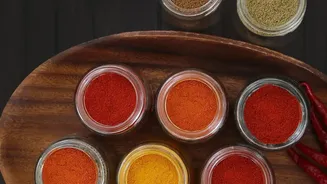
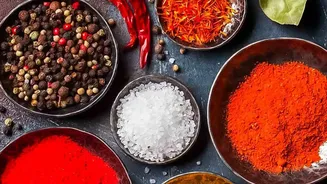
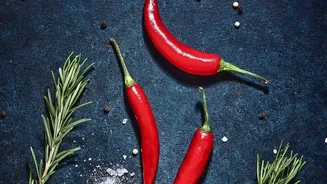
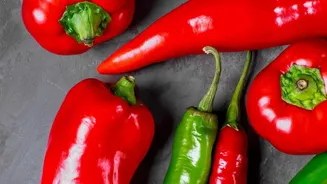
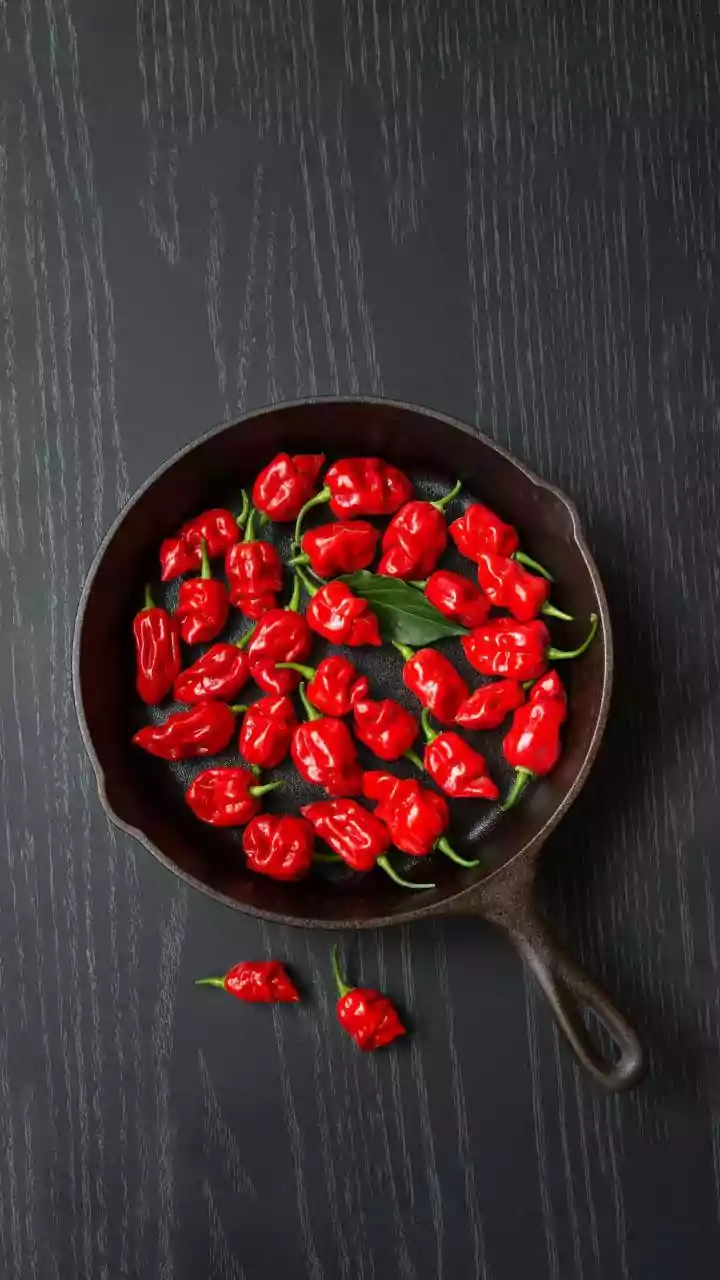
To elevate a sauce from simple to spectacular, Indian cuisine turns to specific chillies prized more for colour and flavour than for overwhelming heat. The most famous of these is the Kashmiri red chilli. Used whole in oil or as a fine powder, it imparts a brilliant red hue to any gravy without making it excessively spicy. Kashmiri chillies have a mild heat level (around 1,000-2,000 on the Scoville scale) and a smoky, slightly fruity flavour that adds complexity to dals, marinades, and vegetable curries. Another excellent choice is the Byadgi chilli from Karnataka, which is known for its deep colour and minimal heat, making it another perfect natural colouring and flavouring agent for South Indian sambar and rasam. These chillies allow you to control the spice level of your dish independently while still achieving a rich, appealing colour.
Built to Hold: Peppers Made for Stuffing
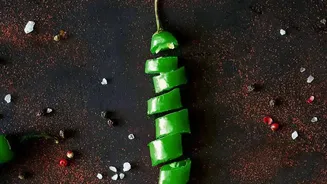
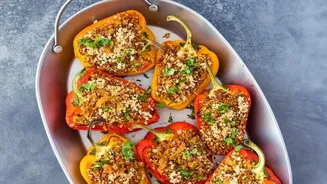
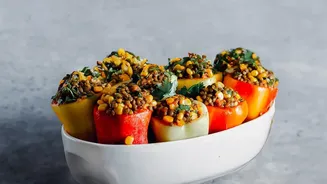
When it comes to stuffing, the pepper’s role changes completely. It is no longer an ingredient that melts away; it becomes the vessel. The ideal stuffing pepper needs to have thick walls, a stable shape, and a cavity large enough to hold a generous amount of filling. Once again, the bell pepper (Shimla Mirch) is a popular choice due to its size and blocky shape, which prevents it from tipping over during baking. Its relatively mild flavour provides a sweet backdrop that complements a wide variety of vegetarian fillings. Another outstanding option, particularly in Indian cooking, is the Bhavnagri chilli. These long, thick-walled green chillies are specifically cultivated for this purpose. They are much milder than other green chillies, offering a unique, savoury flavour without much heat, making them perfect for the classic 'Bharwa Mirch' (stuffed chilli).
Perfect Pairings: Fillings and Flavours
The joy of stuffed peppers lies in the endless creativity of the fillings. For a classic Indian 'Bharwa Mirch' using Bhavnagri chillies, a common filling consists of spiced mashed potatoes, often mixed with gram flour (besan), amchur (dried mango powder) for tang, and other aromatic spices. For bell peppers, the options are even broader. A hearty mix of cooked rice or quinoa, beans, corn, and chopped vegetables creates a complete meal. Italian-inspired fillings often feature ricotta and spinach, offering a creamy, low-carb alternative. Paneer, mixed with herbs and spices, is another fantastic protein-rich option for a distinctly Indian take on stuffed bell peppers. The key is to ensure the filling is well-seasoned, as the pepper itself provides a relatively neutral, sweet canvas.
Preparation is Key
A few simple preparation steps can significantly improve your final dish. For sauces, roasting peppers until the skin is blackened and blistered makes them easy to peel and imparts a desirable smoky flavour. When preparing peppers for stuffing, it’s best to cut them in half lengthwise or slice off the top and carefully remove the seeds and white membrane. Pre-baking the empty pepper shells for about 15-20 minutes before adding the filling helps ensure the pepper is tender and fully cooked by the time the filling is heated through. This prevents the common problem of a crunchy pepper with a mushy filling. Whether for a smooth sauce or a sturdy stuffed meal, a little extra attention to the pepper itself pays delicious dividends.