







The Coastal Superstar: What is Kokum?
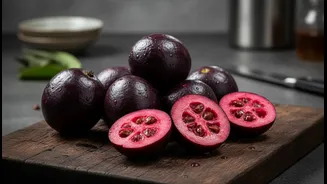
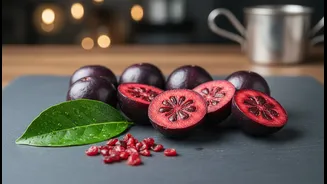
Before it can find its way into a ramen bowl, let's get acquainted with kokum. Scientifically known as Garcinia indica, kokum is a small, purple fruit native to the Western Ghats of India. For centuries, it has been a staple souring agent in the coastal
cuisines of Maharashtra, Goa, and Karnataka. Unlike the sharp punch of vinegar or the bright zest of lemon, kokum offers something different. When the fruit is halved, dried, and its dark rinds are used in cooking, it imparts a deep, tangy flavor with a slightly sweet, floral, and almost smoky finish. Traditionally, it’s the secret weapon in fish curries and lentil dals, providing a complex sourness that beautifully balances rich coconut milk gravies and cuts through heat. Ayurvedic tradition also values it as a cooling agent, perfect for hot climates and for soothing acidity.
Ramen's Essential Balancing Act
A perfect bowl of ramen is a masterclass in balance. It’s a careful dance between salty, sweet, savory (umami), and, crucially, sour. The broth—be it a creamy tonkotsu or a clear shio—is intensely rich from hours of simmering bones and aromatics. To keep this richness from overwhelming the palate, ramen masters rely on 'tare', a concentrated seasoning base, and other acidic components. This acidity traditionally comes from ingredients like rice vinegar, mirin (sweet rice wine), or citrus fruits like yuzu. The goal is to brighten the broth, cut through the fattiness, and make every spoonful feel both satisfying and refreshing. Without that acidic counterpoint, even the most flavorful ramen can feel heavy and one-dimensional. It's this quest for the perfect acidic note that opens the door for innovation.
A Match Made in a Fusion Kitchen
This is where the idea of a 'modern cafe makeover' for ramen comes into play. Why would a chef reach for kokum? The answer lies in its unique flavor profile. Unlike the sharp, high-toned acidity of vinegar, kokum provides a gentler, more rounded sourness. Its inherent fruity and slightly sweet notes can add a layer of complexity that complements the deep, savory umami of a ramen broth without overpowering it. Chefs are discovering that its tartness is surprisingly versatile, working well beyond traditional Indian dishes. Imagine a kokum-infused oil drizzled over noodles or a light kokum extract added to the tare. It can deliver that necessary brightness while also contributing a novel, intriguing flavor that feels both new and strangely familiar. This cross-cultural borrowing isn't about gimmickry; it’s about finding the best possible ingredient for the job, regardless of origin.
Beyond Ramen: The 'Coastal Acidity' Trend
The use of kokum in ramen points to a broader culinary philosophy: looking to the world's coastlines for nuanced sources of flavor. 'Coastal cuisine' is often defined by its fresh, bright flavors that let simple ingredients shine. This extends to its souring agents. Instead of generic acids, chefs are exploring ingredients shaped by their environment, from the tamarind of Southeast Asia to the vinegars of the Mediterranean. This approach values complexity over simple sourness. Kokum, with its deep, briny-adjacent tang, is a prime example of this 'coastal acidity'. It offers a taste of its origin that is distinct from inland souring agents. This trend is about moving past a monolithic idea of 'acidity' and embracing a whole spectrum of sours—each with its own personality and story, ready to give a modern makeover to classic dishes far from their native shores.