




The Queen Has Arrived
Delhi's discerning food lovers have a new obsession: the Queen Pineapple. This is not just any pineapple; it's the state fruit of Tripura, celebrated for its exceptional sweetness and aromatic golden flesh. Recently, this fruit made a high-profile entry
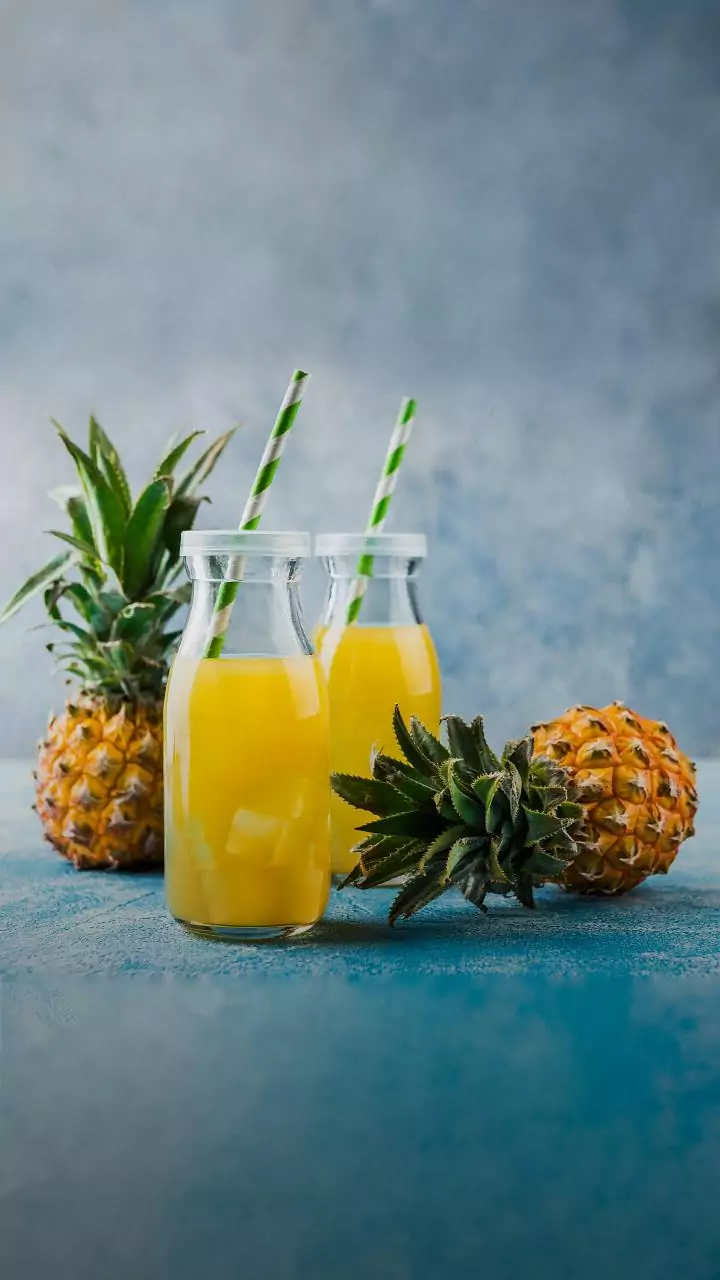
into the capital, thanks to the Tripura Global Pineapple Festival held at the Major Dhyan Chand National Stadium from June 27th to 29th. The festival, timed to coincide with International Pineapple Day, was designed to put this GI-tagged fruit squarely on the national and international map. With dozens of stalls offering fresh pineapples, juices, jams, and even pineapple-leaf leather, the event created a significant buzz, drawing foodies, families, and policymakers alike to get a taste of Tripura.
What Makes the Queen So Special?
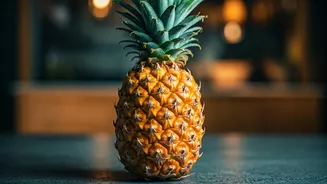
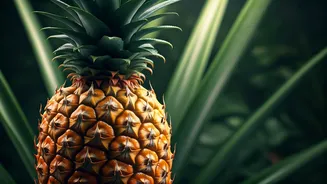
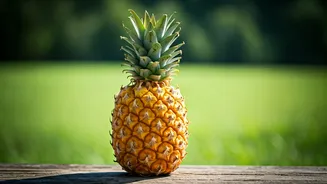
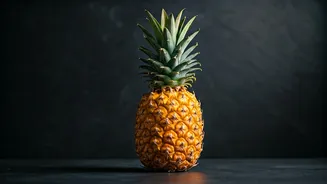
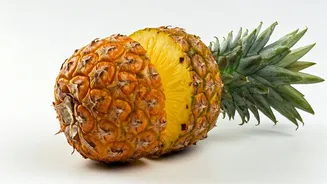
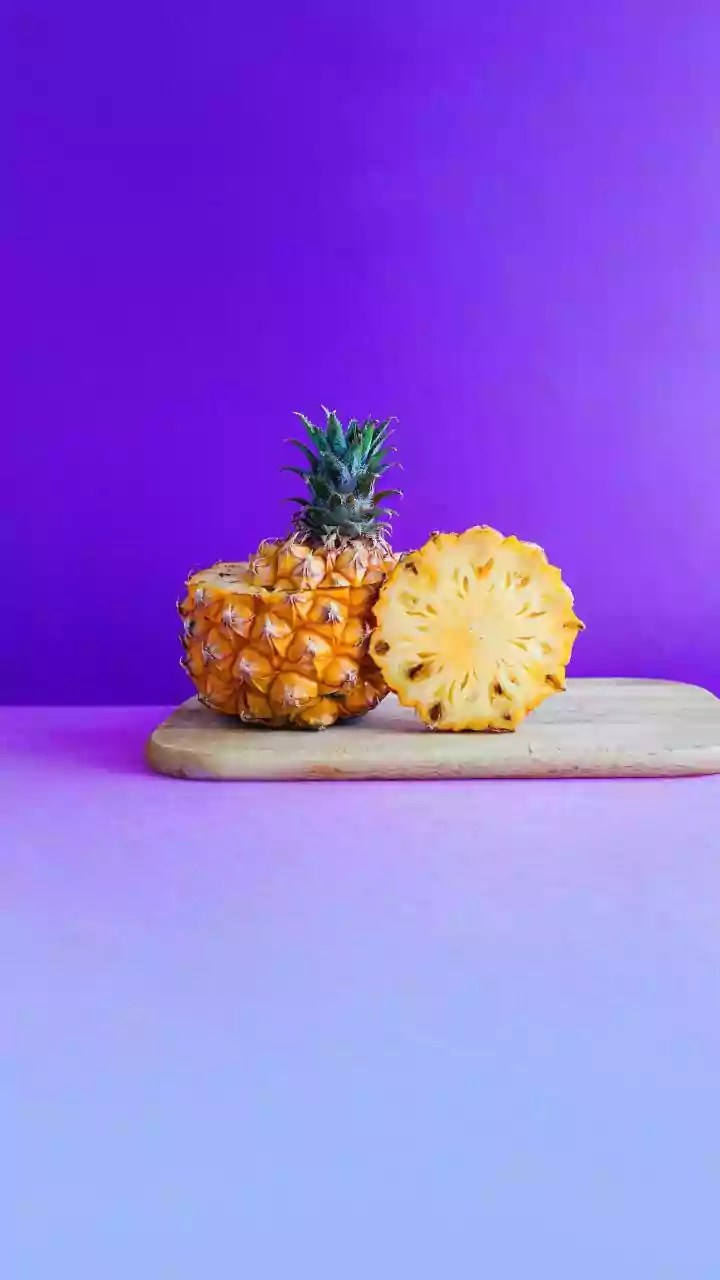
So, what's all the fuss about? The Tripura Queen Pineapple earned its Geographical Indication (GI) tag in 2018, a mark of its unique origin and quality. Unlike other varieties, the Queen is known for being less fibrous, exceptionally sweet, and having a distinct, pleasant aroma. It is cultivated using traditional, often organic methods in Tripura's hilly terrain, which gives it a unique taste that sets it apart. Farmers in the state, a majority of whom belong to tribal communities, have been cultivating this fruit for generations. Its golden-yellow colour, juicy texture, and rich flavour make it a premium fruit that is now finding the recognition it has long deserved.
From Tripura's Farms to Delhi's Tables
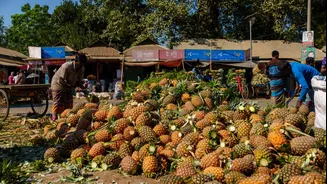
The journey of the Queen Pineapple to Delhi is part of a concerted effort by the Tripura government and central agencies to boost the state's horticultural economy. For years, despite producing a significant surplus, farmers faced challenges with market linkage and getting fair prices. The government's push, including initiatives like the Rs. 236 crore 'Mission Queen Pineapple', aims to change that. This mission is focused on strengthening the entire value chain, from expanding cultivation areas to improving post-harvest infrastructure like cold storage and processing facilities. The goal is to transform the Queen Pineapple into a cornerstone of a rural economy driven by exports and value-added products, ensuring better incomes for the thousands of farmers who depend on it.
More Than Just a Fruit
The promotion of the Queen Pineapple is about much more than just selling fruit. It represents a larger movement to bring the unique agricultural and cultural products of Northeast India into the national mainstream. Initiatives like the Delhi festival and the establishment of sales points at places like Dilli Haat are crucial steps in bridging the gap between producers in the Northeast and consumers across the country. By showcasing these products, authorities are not only creating economic opportunities but also fostering a deeper appreciation for the region's rich biodiversity and cultural heritage. The festival also featured handicrafts, bamboo products, and other local specialities, offering a holistic glimpse into what Tripura has to offer.
A Sweet Future Ahead
The ambition for the Queen Pineapple doesn't stop at Delhi. The fruit has already been exported to markets in the Middle East and Europe, and the current push aims to solidify its global brand. The government is also promoting innovative, value-added products, from jams and candies to pineapple leaf fibre—an eco-friendly material used in fashion and decor. Plans are also underway to establish bromelain extraction plants, tapping into the pharmaceutical market for the enzyme naturally found in pineapples. This multi-pronged strategy aims to increase the fruit's economic value significantly by 2028, turning this regional star into a global powerhouse.