








Understanding Preventive Fitness
The term 'Preventive Fitness Policy' doesn't refer to a single government mandate, but rather a nationwide shift in thinking about public health. Spurred by a rise in lifestyle diseases like diabetes and hypertension, the focus is moving from treatment
to prevention. This approach champions making fitness a part of daily life for all citizens, rather than a luxury for a few. The core idea is to embed wellness into our communities through accessible, low-cost, and engaging activities. It’s a philosophy supported by national initiatives like the Fit India Movement, which aims to make fitness easy, enjoyable, and free for every Indian. This framework empowers individuals and communities to take charge of their health long before they ever need to see a doctor for a chronic condition.
Tap Into Government Initiatives
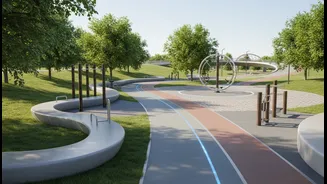
The government is actively creating opportunities for citizens to get fit without breaking the bank. The Fit India Movement is at the forefront, organising mass participation events like community marathons, school fitness drives, and the popular 'Sundays on Cycle' initiative. You can join these events, which are often free and promoted on the MyGov platform and social media. Beyond big events, look to the grassroots. The government is also establishing thousands of Health and Wellness Centres under Ayushman Bharat, which promote preventive care. In some states like Uttarakhand, schemes are in place to install open-air gyms in every Gram Panchayat, making basic fitness equipment accessible to rural communities. Check with your local panchayat or municipal office to see what resources are available in your area.
Start Your Own Fitness Community
The most powerful tool for inclusive fitness is often your own community. You don’t need official sanction to start moving together. In cities like Chennai, grassroots fitness collectives have grown from simple social media posts into huge communities with thousands of members participating in run clubs, lifting sessions, and more. The key is to start small and build momentum. Create a WhatsApp group for your housing society or neighbourhood and organise a daily morning walk. Find a few friends who are interested in cycling and plan a weekend route. The social connection provides accountability and motivation, making it more likely that everyone will stick with the programme. These groups foster a sense of belonging that you won’t find on a solo treadmill run.
Reclaim Public Spaces for Wellness
Our cities and towns are filled with potential workout spaces that don't cost a rupee. Public parks, lakesides, and even promenades are transforming into wellness hubs where people gather for group runs, yoga sessions, and outdoor workouts. You can organise a group to practice yoga in a local park at sunrise or start a functional training session using only bodyweight exercises. Many resident welfare associations (RWAs) are supportive of such initiatives if they are organised and respectful of other park users. By reclaiming these public spaces for health, we not only improve our own fitness but also contribute to a more active and vibrant community culture.
Explore Accessible Alternatives
Moving beyond the gym doesn't just mean running or walking. India has a rich tradition of physical practices that are fantastic for fitness. Yoga, of course, is a prime example, offering benefits for strength, flexibility, and mental peace with little to no equipment required. Similarly, classical and folk dance forms are vigorous workouts rooted in culture. For those seeking more modern alternatives, many cities now have studios for activities like Pilates, aerial yoga, or mixed martial arts. While these may have a cost, they often foster a strong sense of community and can be more engaging than a conventional gym. The goal is to find a form of movement you genuinely enjoy, making it a sustainable part of your life.