





Anxiety and the 'Fight or Flight' Response
To understand how yoga works, we first need to understand anxiety's effect on the body. When you perceive a threat—whether it’s a looming work deadline or a sudden loud noise—your sympathetic nervous system (SNS) kicks in. This is your 'fight or flight'
response. It floods your body with stress hormones like cortisol, increases your heart rate, and makes your breathing shallow, preparing you to face a perceived danger. While this is a crucial survival mechanism, chronic stress means many of us live in a constant state of this high alert, leading to persistent feelings of anxiety.
Enter Yoga: Activating 'Rest and Digest'
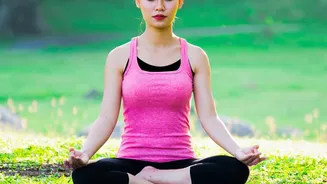
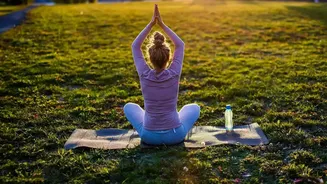
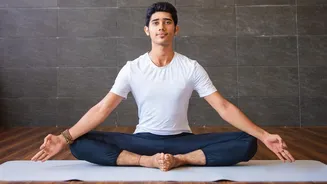
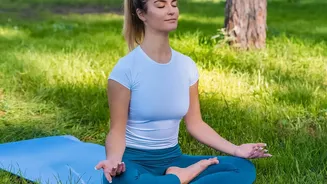
This is where mindful yoga, which combines physical postures (asanas), controlled breathing (pranayama), and meditation, steps in. These practices are designed to activate your parasympathetic nervous system (PNS), also known as the 'rest and digest' system. The PNS is the body's natural brake pedal, counteracting the 'fight or flight' response. It slows the heart rate, deepens the breath, and signals to your brain that you are safe, allowing your body and mind to relax and recover. This shift from a state of high alert to one of calm can feel profound and immediate.
The Vagus Nerve: Your Body’s Built-In Calm Button
A key player in this calming process is the vagus nerve, the longest cranial nerve in the body, which acts as a superhighway between your brain and your gut. This nerve is a primary component of the parasympathetic nervous system. Many yoga practices, particularly slow, intentional breathing and certain poses like gentle forward folds or twists, directly stimulate the vagus nerve. Activating this nerve helps lower your resting heart rate and regulate your mood, effectively pressing your body's built-in 'chill-out' button and increasing your resilience to stress.
The Power of the Breath
In yoga, the breath is seen as the bridge between the body and the mind. Scientific research supports this ancient wisdom. Controlled breathing exercises, or pranayama, are central to yoga's anxiety-reducing effects. By consciously slowing down your exhalations, you can directly influence your heart rate and stimulate the vagus nerve. This simple act of deep, mindful breathing sends a powerful signal to your nervous system that it's safe to relax, helping to break the cycle of anxious thoughts and physical tension almost instantly.
Rewiring Your Brain Chemistry for Calm
The benefits of yoga go even deeper, right into your brain chemistry. Studies have shown that consistent yoga practice can lead to an increase in a neurotransmitter called gamma-aminobutyric acid, or GABA. Low levels of GABA are associated with anxiety and other mood disorders. Research published in the Journal of Alternative and Complementary Medicine found that a session of yoga can increase GABA levels, leading to improved mood and decreased anxiety. In fact, some studies suggest that yoga may be more effective than other forms of exercise, like walking, at improving mood and anxiety for this very reason.
From Instant Relief to Lasting Resilience
While the headline's promise of 'instant' calm is linked to the rapid shift in the nervous system that yoga can induce, the true power of the practice lies in its long-term benefits. Regular yoga practice doesn't just provide temporary relief; it can help rewire the brain and nervous system over time. By consistently practicing asanas, pranayama, and meditation, you are training your body to respond to stress more effectively. This builds lasting resilience, reduces baseline stress levels, and helps you maintain a sense of balance even when you are off the mat.