








The Democratization of AI
For years, building anything with artificial intelligence required deep expertise in coding, massive datasets, and significant computing power. This kept AI development in the hands of large corporations and research institutions. That reality has fundamentally
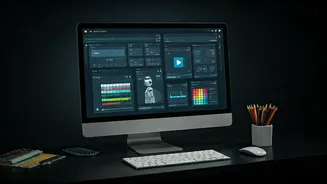
changed. We are now in an era of AI democratization, a trend focused on making AI tools and resources accessible to non-experts. This shift is powered by the rise of no-code and low-code platforms, cloud-based AI services, and open-source frameworks. These tools provide user-friendly visual interfaces, pre-built models, and drag-and-drop functionality, effectively removing the coding barrier and allowing anyone with a clear idea to build their own AI applications.
Start by Identifying Your Problem
The first step to building a useful tool is to stop thinking about “AI” and start thinking about annoyances. What repetitive task do you hate doing? What information do you constantly have to organize? The most successful simple AI tools don’t try to solve world hunger; they solve a specific, personal bottleneck. Maybe it’s summarizing messy meeting notes into clear action items, sorting through a chaotic inbox, or even generating a weekly meal plan based on what’s in your fridge. Before you touch any tool, spend a few days observing your own workflow. Identify a task that is predictable, rule-based, and consumes more time than it’s worth. That’s your ideal starting point. The goal isn’t just to use AI; it’s to solve a real problem you have.
Your No-Code AI Toolkit
Once you have a problem in mind, a growing ecosystem of no-code platforms is ready to help you build the solution. These tools fall into several categories. AI App Builders like Bubble and Glide let you create functional web and mobile apps from spreadsheets or visual workflows. Workflow Automation platforms like Zapier and Make now have powerful AI features that can connect thousands of apps, allowing you to build multi-step automations, such as automatically analyzing customer feedback from a form and adding a summary to a spreadsheet. AI Agent Builders are a newer category, enabling you to create custom AI assistants trained on your specific data and processes to handle tasks like research or customer support. Even free tools like Google’s Teachable Machine allow you to train simple machine learning models to recognize images, sounds, or poses right in your browser.
Simple AI Solutions in Action
The possibilities are both practical and creative. You could build a tool that turns a messy transcript of a video call into a structured summary with key decisions and action items. Another common use is a 'personal email optimizer' that can shorten your draft, adjust its tone, and suggest a better subject line. For those managing websites, you can convert a frequently asked questions page into an interactive chatbot to provide instant answers to visitors. A small business owner could create an AI agent that analyzes daily sales data and generates a simple end-of-day report. These aren't complex, large-scale systems; they are targeted solutions that save a few minutes here and there, which quickly add up to hours of reclaimed time.
How to Get Started Today
Feeling inspired? You don’t need a grand plan to begin. Start small. First, pick one personal pain point you identified. Is it scheduling, writing, or organizing? Second, choose a single, user-friendly tool with a free tier, such as an automation platform like Make or a simple chatbot builder like Voiceflow. Third, focus on a single, achievable outcome. Don’t try to build a complex system on day one. Your first goal could be as simple as: “When I receive an email with an invoice, automatically save the attachment to a specific folder and add the sender’s name to a spreadsheet.” By starting with a small win, you’ll learn the logic of the platform and gain the confidence to tackle more complex problems.