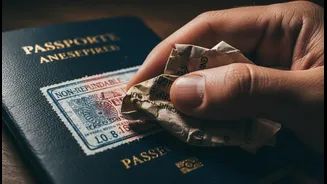









One Package, One Journey
Saudi Arabia has launched a new 'Package Visa' initiative, and India is one of the first seven countries eligible. This new system fundamentally changes how trips are planned by bundling the visa application with flights and hotel bookings into a single,
streamlined process. Instead of navigating separate applications for a visa, then booking travel and accommodation, Indian travellers can now purchase a complete package from an approved travel provider. The visa is then issued electronically within 48 hours of the package being purchased. This move is a core part of Saudi Arabia's 'Vision 2030', an ambitious plan to diversify its economy beyond oil, with tourism at its heart. The goal is to make the Kingdom more accessible and attract a targeted 7.5 million Indian visitors annually by 2030, a huge jump from the 1.5 million who visited in 2023. By integrating the visa process, authorities aim to reduce paperwork and make the entire experience smoother, especially for first-time visitors.
A New Era for Spiritual Travel
For the millions of Indian Muslims who undertake the Hajj or Umrah pilgrimage, this new system offers significant changes. In the past, spiritual travel was often rigid, managed through specific agents with strict itineraries. While the new Package Visa itself is a tourist visa and doesn't include specific Umrah services, holders are permitted to travel anywhere in the Kingdom, including the holy cities of Mecca and Medina. This flexibility is a game-changer. Previously, visa rules often restricted movement and required pilgrims to follow a set path. Now, a family can perform Umrah and then travel to Jeddah for a seaside holiday or visit relatives in Riyadh, all on the same visa. This blends spiritual duties with leisure opportunities in a way that wasn't easily possible before. It's important to note that specific rules for Hajj remain highly regulated, with dedicated Hajj permits required. Similarly, for Umrah, pilgrims must often still use platforms like Nusuk to book accommodations and transport to get a dedicated Umrah visa. However, the introduction of more flexible tourist visas like the Package Visa provides an alternative route that offers greater freedom of movement within the country for those performing the year-round Umrah pilgrimage.
Beyond Pilgrimage: The Rise of Leisure
Perhaps the biggest shift this visa signals is Saudi Arabia's serious push for leisure tourism from India. The Kingdom is actively promoting destinations far beyond the holy cities. Travellers can now easily plan trips to explore the ancient Nabataean tombs of AlUla, a UNESCO World Heritage site, dive in the pristine waters of the Red Sea, or visit futuristic cities like NEOM. Other accessible destinations include the cool mountain city of Taif, the green landscapes of Abha, and the historic Al-Balad district in Jeddah. The Package Visa makes these trips far more straightforward to organise. By bundling everything, it removes the uncertainty and complexity that might have discouraged Indian families and solo travellers from considering Saudi Arabia as a holiday spot. Approved packages must include accommodation in hotels rated four stars or above, signalling a focus on quality tourism experiences.
What It Means for Indian Travellers
The introduction of the Package Visa simplifies logistics and opens up a new, multifaceted destination. For spiritual travellers, it offers the unprecedented ability to combine their pilgrimage with tourism, family visits, and business. For leisure travellers, it puts Saudi Arabia on the map as a viable and accessible holiday option with a growing list of world-class attractions. The process, handled by accredited travel agencies, offers more confidence and security, with all elements of the trip—flights, hotels, visa, and even optional tours—booked in one go. While this new visa is a pilot programme, its inclusion of India from the outset shows the strategic importance of Indian travellers to Saudi Arabia's future. It marks a clear transition from a nation primarily visited for religious and work purposes to one that is now actively competing for the Indian tourist's attention, time, and spending.