


A Tradition Steeped in Flavour
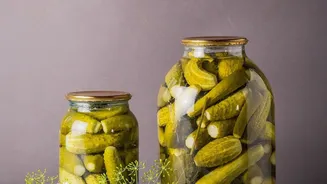
Known as 'achaar', Indian pickles are far more than a simple condiment; they are a cornerstone of the nation's culinary heritage, with a history stretching back thousands of years. Long before refrigeration, pickling was a scientific and necessary art
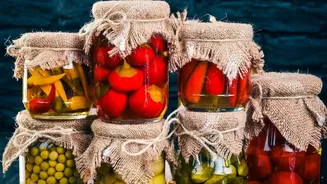
of food preservation, ensuring that the fleeting abundance of seasonal produce like raw mangoes, lemons, and gooseberries could be enjoyed throughout the year. But beyond its practical purpose, pickle-making is a deeply cultural and often communal activity. Each jar tells a story of a specific region, its climate, and the ancestral wisdom passed down through generations, often guarded as a treasured family recipe.
The Science of Preservation
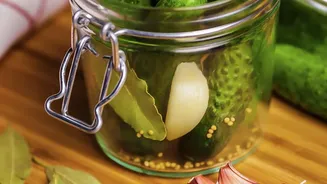
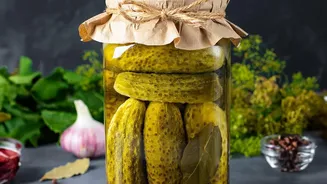
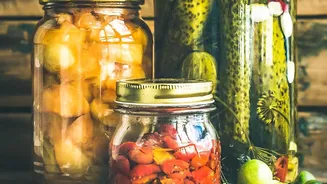
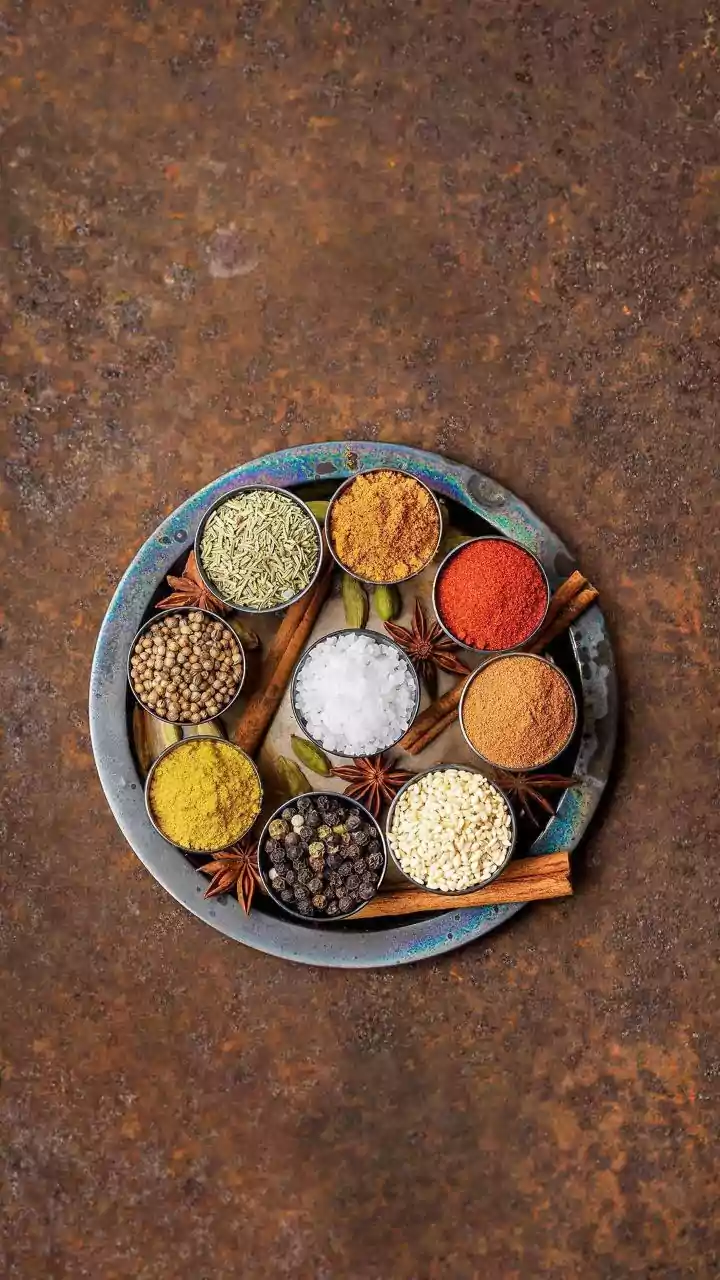
The magic of transforming fresh produce into a shelf-stable delicacy lies in a few key principles of preservation. The primary method involves creating an environment hostile to spoilage-causing microbes. This is achieved through a combination of ingredients and techniques. Salt is crucial, drawing moisture out of the vegetables through osmosis, which is a critical first step in preservation. Oil, typically mustard, sesame, or groundnut depending on the region, acts as a natural sealant, creating an airtight barrier that prevents oxygen from reaching the ingredients and fuelling bacterial growth. Spices like turmeric, fenugreek, and asafoetida are not just for flavour; they also possess natural antimicrobial properties that contribute to the pickle's longevity.
The Power of the Sun
One of the most vital and unhurried steps in traditional Indian pickling is sun-drying, or 'sun-curing'. After being chopped, the fruits or vegetables are spread out under direct sunlight for hours or even days. This process gently removes residual moisture, which is the enemy of a long-lasting pickle, concentrating the natural flavours of the produce. Sun-drying also prepares the ingredients to more effectively absorb the spices and oil, leading to a deeper, more complex flavour profile. This patient, weather-dependent step is often what separates a truly traditional pickle from its mass-produced counterparts, which may skip this stage for the sake of convenience.
A Tour of Regional Delicacies
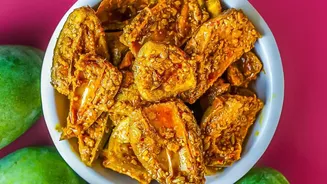
India's vast culinary landscape is reflected in its staggering variety of pickles. In the south, Andhra Pradesh is famous for its fiery 'Avakaya', a robust raw mango pickle made with a powerful blend of mustard powder and red chilli. Heading west to Gujarat, the flavour profile shifts to the sweet and tangy 'Chhundo', a grated raw mango pickle cooked slowly in the sun with sugar until it reaches a jam-like consistency. In the east, Bengal's pungent 'Kasundi', a sharp and fermented mustard sauce, serves as both a pickle and a cooking ingredient. Meanwhile, North Indian kitchens are known for robust pickles like 'Aam ka Achaar', often featuring mustard oil, and stuffed red chilli pickles from Punjab and Rajasthan.
The Modern Artisans
While pickle-making remains a cherished household tradition, a growing number of small-scale regional entrepreneurs are ensuring these flavours reach a wider audience. These modern pickle makers often blend age-old family recipes with contemporary standards of hygiene and packaging. By sourcing seasonal produce directly and adhering to traditional, slow methods like sun-drying, they offer a taste of authenticity that is hard to find in mass-produced alternatives. These businesses play a crucial role not only in preserving culinary heritage but also in providing a platform for local agricultural products and creating economic opportunities.