






The Morning Awakening: Energy and Focus
Practicing yoga in the morning aligns with your body's natural rhythm. In the early hours, your body's cortisol level, the hormone that helps you wake up, naturally rises. A morning yoga session can work with this rhythm to invigorate your body and mind.
Dynamic sequences like Sun Salutations (Surya Namaskar) are excellent for stimulating circulation, activating muscles, and promoting alertness. This can help kickstart your metabolism and aid digestion throughout the day. Many find that a morning practice helps set a positive and intentional tone for the hours ahead, improving mental clarity and focus before the day's distractions begin. Poses that are particularly beneficial in the morning include gentle backbends like Cobra, energising standing poses like Warrior I, and flowing movements like the Cat-Cow stretch.
The Evening Unwind: Relaxation and Release
As the day winds down, the focus of your yoga practice can shift from activation to relaxation. Evening yoga is a powerful tool for releasing the physical and mental tension accumulated throughout the day. Slower, more restorative practices can activate the parasympathetic nervous system, also known as the 'rest-and-digest' response, which helps lower your heart rate and calm your mind. This makes it an effective way to prepare for a good night's sleep. Studies have shown that a regular evening yoga practice can improve sleep quality and even help with symptoms of insomnia. The goal is not an advanced or strenuous workout, but gentle mobilisation and release. After a day of sitting or being on your feet, stretching the lower back, hips, and shoulders can provide significant relief.
Matching Poses to the Hour
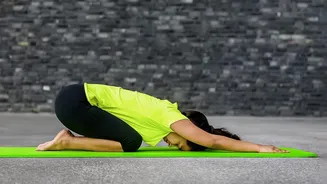
For a morning session, focus on poses that create energy and warmth. Sun Salutations are a classic choice for this, as they link breath with movement in a dynamic flow. Standing poses such as Mountain Pose (Tadasana), High Lunge, and Standing Side Bends help to wake up the major muscle groups and improve posture for the day ahead. In the evening, the emphasis should be on grounding and release. Gentle forward folds like Head-to-Knee Pose (Janu Sirsasana) and restorative poses like Child's Pose (Balasana) calm the nervous system. Reclining poses are also ideal for an evening routine. Lying on your back for a Reclining Spinal Twist (Supta Matsyendrasana) or Legs-Up-the-Wall Pose (Viparita Karani) can relieve tired legs and a tense back, promoting deep relaxation.
How to Choose What's Right for You
Ultimately, the best time to do yoga is the time you can consistently practice. Your personal schedule, energy levels, and fitness goals should guide your decision. If you struggle with morning grogginess and need a caffeine-free energy boost, a morning practice might be transformative. It also means you get your workout done before other commitments can interfere. On the other hand, if your days are stressful and you find it hard to switch off at night, an evening routine could be the key to better sleep and relaxation. Be mindful of the intensity; a very stimulating or fast-paced sequence late at night might increase energy and make it harder to fall asleep. It's also wise to avoid practice immediately after a heavy meal. The most important thing is to listen to your body and choose a time that makes you feel balanced, restored, and present.