




From Niche Pursuit to Mainstream Movement
Not long ago, the weights section of a gym was often seen as the exclusive domain of bodybuilders and elite athletes. For many, fitness was synonymous with cardio—running, cycling, or spending hours on an elliptical to burn calories. Today, that perception
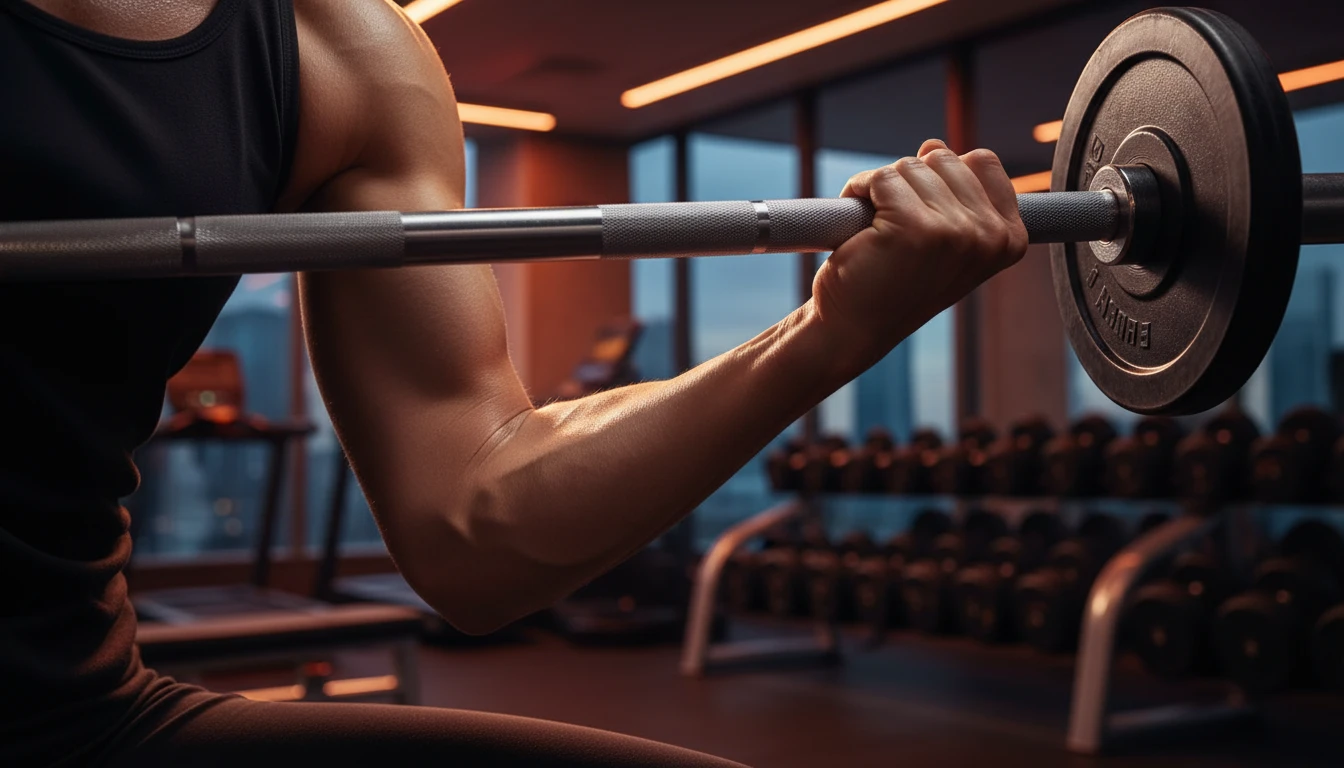
has been completely upended. Strength training has gone mainstream in India, with people from all walks of life—working professionals, homemakers, and even retirees—embracing it. The conversation has shifted from “How much weight did you lose?” to “How much can you lift?”. This change reflects a deeper understanding that fitness is not just about subtraction, but also about addition: adding strength, muscle, and capability.
The Science-Backed Glow Up
So, what’s driving this massive shift? A growing body of accessible scientific research is a major factor. The benefits of resistance training are now widely understood to go far beyond building bigger muscles. Studies show it boosts metabolism by increasing muscle mass, which helps the body burn more calories even at rest. It also plays a crucial role in long-term health, improving bone density, which helps prevent osteoporosis, and enhancing joint strength, which lowers the risk of injury. Furthermore, strength training is a powerful tool for managing chronic conditions like heart disease, type 2 diabetes, and even arthritis. The focus has moved from training for a summer body to training for longevity.
More Than Just Physical Strength
The appeal of resistance training also lies in its significant mental and functional benefits. Many who switch from cardio-heavy routines report feeling more energised, clear-headed, and confident. There's a powerful sense of accomplishment that comes from lifting a heavier weight or mastering a new movement. This feeling of empowerment has resonated deeply, especially in a post-pandemic world where a sense of control is highly valued. Beyond the gym, this translates to functional strength—the ability to perform everyday tasks with ease, like carrying heavy groceries or playing with your children, which helps maintain independence as you age.
The Social Media Influence
Social media has acted as a massive catalyst, democratising fitness knowledge and breaking down old stereotypes. Platforms like Instagram and TikTok are flooded with fitness influencers and certified trainers who share accessible workout guides, form tips, and nutritional advice. This has made strength training less intimidating for beginners and has been particularly effective in encouraging more women to lift weights, dispelling the outdated myth that it will make them “bulky”. While social media can have its downsides, like promoting unrealistic body standards, it has undeniably played a huge role in making strength training a visible and aspirational activity for a broader audience.
How Gyms Are Responding
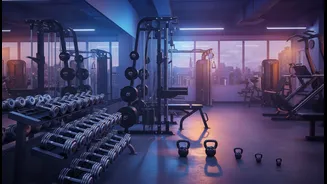
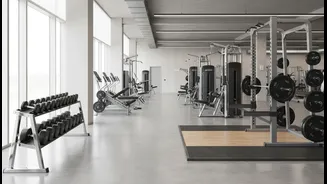
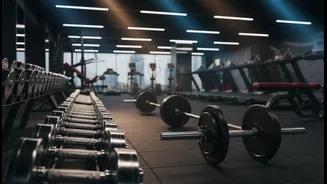
This groundswell of interest has not gone unnoticed by the fitness industry. Gyms across India are adapting their layouts and offerings to meet the new demand. There is a clear trend towards allocating more floor space to free weights, squat racks, and dedicated deadlifting platforms. Many are also investing in functional fitness zones equipped with kettlebells, resistance bands, and battle ropes. The focus is shifting away from single-muscle isolation machines towards equipment that supports compound, multi-joint movements. Group classes are also evolving, with an increase in strength-focused programming to cater to members who enjoy a community atmosphere while they train.