








More Than Just a Festival
Harela, which will be celebrated on July 16, marks the onset of the monsoon and the new sowing season. Traditionally, families sow seeds of grains like barley and wheat in baskets, and the resulting green shoots are seen as a divine blessing for a prosperous
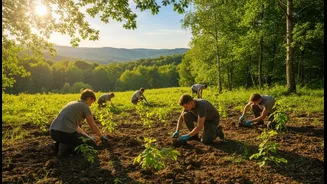
harvest. In recent years, this reverence for greenery has evolved. The festival has become a major platform for environmental conservation, with schools, NGOs, and communities organising large-scale tree plantation drives. This act connects a deep-seated cultural practice with a modern ecological necessity, transforming a ritual into a movement.
The Plantation Paradox
Across India, mass plantation drives are a common strategy to combat deforestation and climate change. Millions of saplings are planted with great fanfare. Yet, the story often ends there. The real mission isn't planting a tree, but ensuring it survives. According to recent data, the survival rate for large, government-led plantation drives can be as low as 30-40%. The primary causes are a lack of post-planting care, inadequate watering, and poor species selection. Without consistent monitoring and aftercare, crores of rupees and countless hours of effort are wasted, and the promised ecological benefits—clean air, biodiversity, and carbon storage—never materialise.
Where Community Steps In
This is where the Harela sapling drive offers a powerful alternative. When a sapling is planted as part of a family or community tradition, it becomes more than just a number in a government report. It becomes a personal responsibility. This sense of ownership is the missing ingredient in many top-down afforestation projects. Research shows that community-led programs have significantly higher survival rates, often between 50% and 65%, because locals are invested in the outcome. The act of planting during Harela is a pledge to protect nature, fostering a sense of affection and responsibility towards the trees. This informal, culturally-embedded monitoring is often more effective than any formal system.
A Model for Sustainable Afforestation
The success of Harela's model lies in its integration of ecological goals with cultural values. It’s not just about meeting a target; it’s about honouring a tradition that connects people to their land. When communities are engaged and benefit from reforestation, the projects are more likely to succeed. This approach creates a decentralised and self-sustaining system of monitoring where every individual has a stake in the forest's future. This local stewardship ensures that saplings are protected from grazing, watered during dry spells, and allowed to grow into mature trees. The festival provides an annual rhythm for both planting and checking on the progress of previously planted trees, creating a continuous cycle of care.
The Challenge of Looking Ahead
While the Harela model is inspiring, it also faces challenges. As Uttarakhand modernises, there's a risk that these traditions may fade. Furthermore, the very reverence for nature that Harela celebrates is sometimes threatened by development projects. For example, citizens have recently protested a highway project that threatens a vital elephant corridor, even declaring they would observe a "Black Harela" in protest. The key is to find a way to scale the spirit of Harela. Policymakers can learn from its success by linking national environmental schemes with local cultural practices, empowering communities, and ensuring that conservation efforts are built from the ground up, not just imposed from the top down.