




Master the Art of Rolling
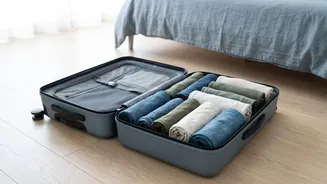
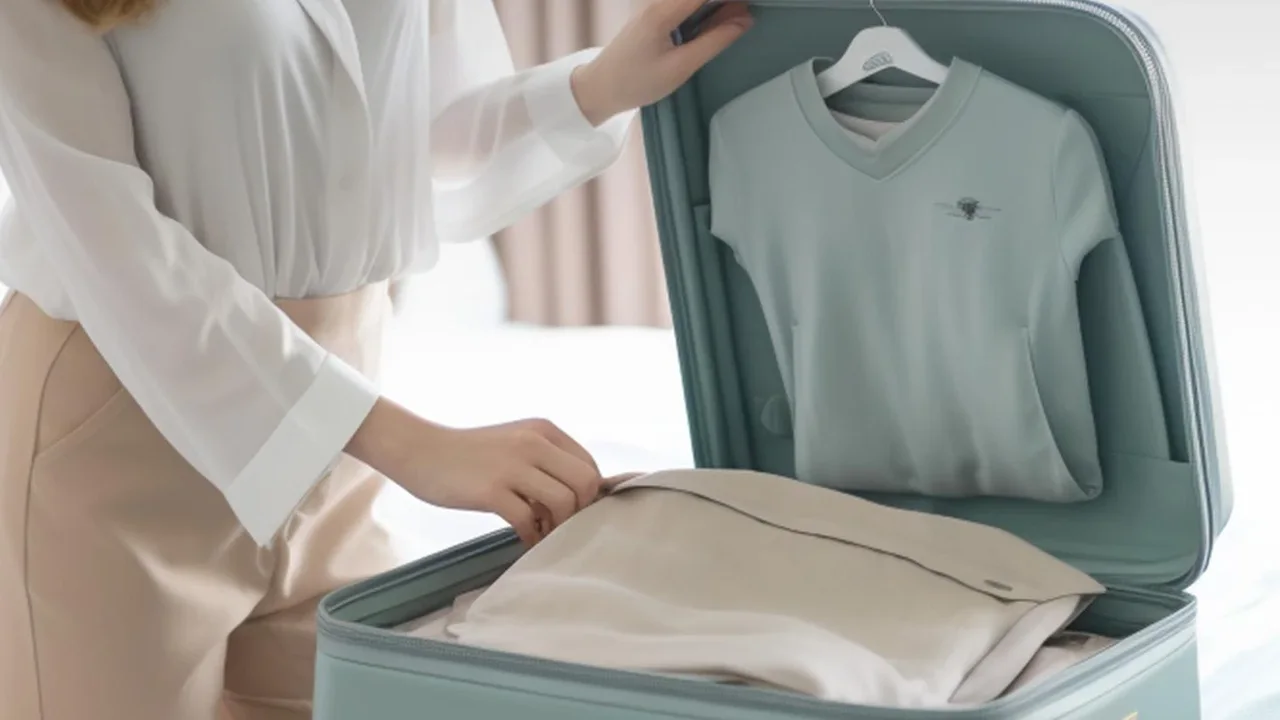
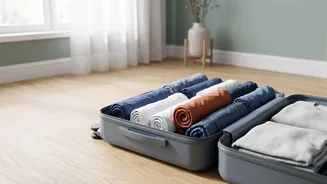
The debate between rolling and folding clothes is a classic one, but for carry-on packing, rolling is generally the champion. Tightly rolling items like t-shirts, trousers, and casual wear compresses them into small, dense bundles that take up significantly
less space than folded squares. This method also helps to minimise hard creases. For more structured garments like blazers or formal shirts, a neat fold at the top of your bag might be better. A hybrid approach often works best: roll soft items and fold stiff ones. To roll a shirt, lay it flat, fold the sleeves in, and then roll it tightly from the bottom hem up to the collar.
Embrace Packing Cubes
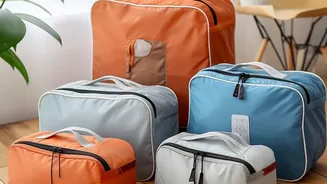
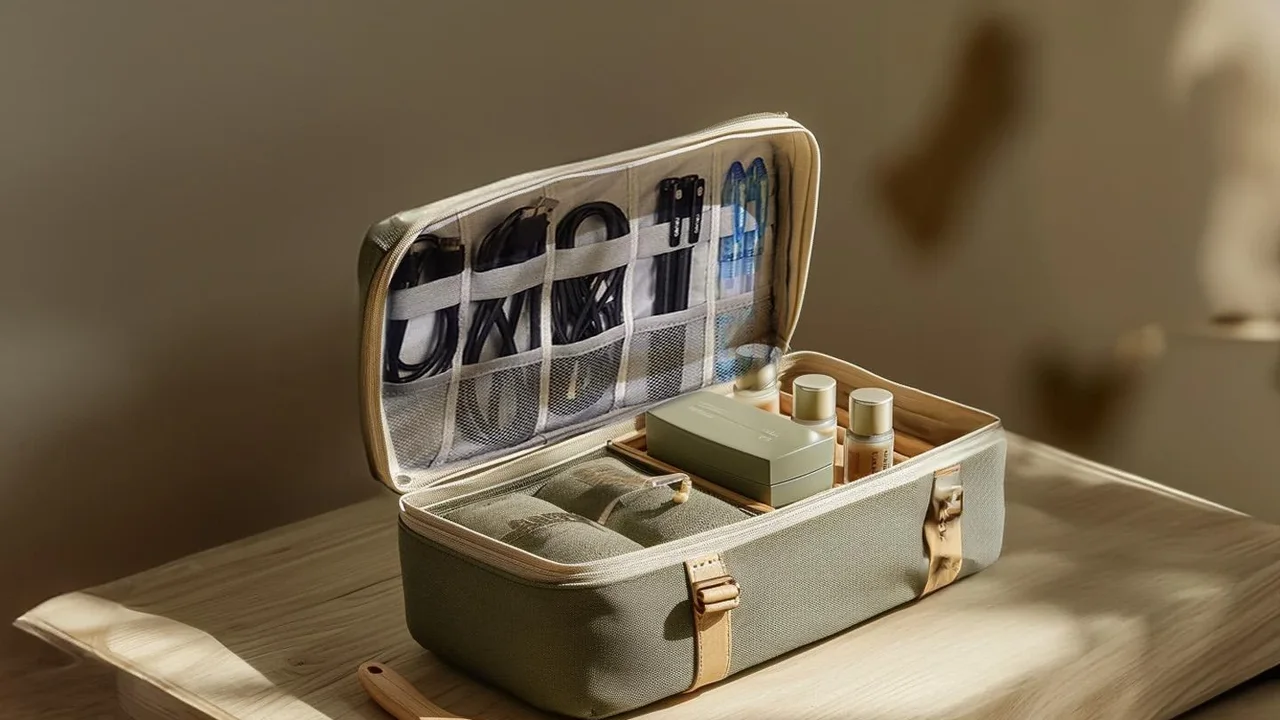
Packing cubes are a traveller's best friend. These fabric pouches not only keep your luggage exceptionally organised but can also help save space. By categorising your clothes—for example, one cube for tops, one for bottoms, and another for underwear and socks—you can easily find what you need without disrupting your entire bag. For maximum efficiency, consider compression packing cubes. These have an extra zipper that squeezes out excess air, significantly reducing the volume of your clothes. This allows you to fit more into your carry-on while keeping everything neat and tidy. You can even dedicate one cube for dirty laundry as the trip progresses.
Curate a Versatile Wardrobe
The key to light packing is not about having fewer items, but having items that do more. Choose a simple colour palette where every top matches every bottom. This allows you to create multiple outfits from a limited number of garments. Travel experts often recommend a variation of the "Rule of Three": pack three tops and three bottoms that can be mixed and matched. Select clothing made from lightweight, wrinkle-resistant fabrics. Accessories like a scarf or a statement piece of jewellery can transform an outfit without taking up much room, giving you variety without the bulk.
Wear Your Heaviest Items
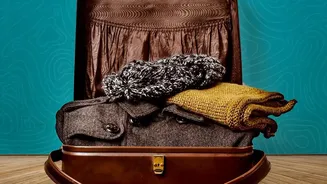
This might seem obvious, but it makes a huge difference. Your bulkiest items—like a jacket, a heavy sweater, or your clunkiest pair of shoes—should be worn on the plane. This frees up a significant amount of prime real estate inside your carry-on. If you're travelling from a warm climate to a cold one, layering up for the flight means your winter coat doesn't have to be forced into your bag. The same goes for boots or sturdy walking shoes; wear them and pack your lighter sandals or loafers.
Downsize Your Toiletries
Liquids are heavy and subject to airport restrictions. Instead of bringing full-size bottles, invest in a set of travel-sized reusable containers for your shampoo, conditioner, and lotion. Better yet, switch to solid toiletries. Shampoo bars, conditioner bars, and solid perfumes save space, aren't subject to liquid allowances, and eliminate the risk of spills. For other items, think small. A small binder clip can be used to cover the head of a razor, and pill containers are perfect for organising small jewellery.
Utilise Every Nook and Cranny
To truly maximise your carry-on space, you need to think like a Tetris master. The insides of your shoes are valuable, underutilised spaces perfect for stuffing with socks, underwear, or even small electronics chargers. Once your packing cubes and larger items are in place, fill the gaps around them. Small, soft items can be wedged into any available air pockets. This strategy of packing 'light and tight' ensures that everything is snug and secure, preventing items from shifting around during transit.