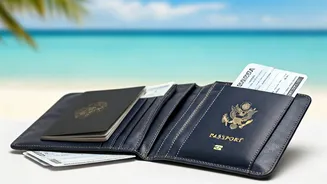








The Passport: Your Most Vital Document
Your passport is the key to your entire journey, but simply having one isn't enough. The most common and heartbreaking mistake travellers make is ignoring the six-month validity rule. Many countries require your passport to be valid for at least six months
from your date of entry, not your date of departure. An airline can deny you boarding if your passport expires in five months, even if your trip is only for a week. Before booking anything, open your passport and check the expiry date. Also, ensure you have at least two blank pages for visa and entry stamps. A damaged passport—with significant tears, water damage, or a compromised photo page—can also lead to a refusal to travel. Treat it with care and consider renewing it if it is set to expire within a year of your travel plans.
The Visa Question: Know Before You Go
A fantastic flight deal to a country where you need a pre-approved visa is useless if you haven't secured one. The terms “visa-free,” “visa-on-arrival,” and “e-visa” are often confused but mean very different things. Visa-free means you can enter without any prior application, though you'll still need to meet entry requirements. Visa-on-arrival means you get your visa at the airport after landing, which often involves a fee and specific documents like photos and hotel bookings. An e-visa must be applied for online and approved before you travel. Always check the official embassy or consulate website for the specific rules for Indian passport holders, including for any countries you may be transiting through. Visa rules change frequently, so what was true last year may not be today.
The Name Game: Consistency is Crucial
A simple name mismatch between your flight ticket and your passport can cause major headaches. For security reasons, airlines require that the name on your booking is an exact match to the name on your government-issued ID. This includes your full first name and last name. While some airline systems may merge your first and middle names, a significant spelling difference or using a nickname can lead to being denied boarding. If you notice a mistake after booking, contact the airline or travel agent immediately. Some airlines charge a hefty fee for name changes, but it’s a small price to pay compared to forfeiting your entire trip. This rule also applies to visas and other travel documents; consistency across the board is key.
Your Document Checklist: Beyond the Passport
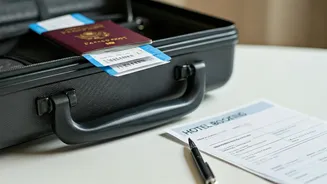
While your passport and visa are the stars of the show, a supporting cast of documents is also essential. Many immigration officers will ask for proof of your travel plans to ensure you intend to return home. Always carry printouts or have accessible digital copies of your return flight tickets, confirmed hotel bookings for your entire stay, and a detailed travel itinerary. It is also wise to carry a travel insurance policy, which is mandatory for some regions like the Schengen Area. Furthermore, be prepared to show proof of sufficient funds for your trip, and carry a few extra passport-sized photographs, which can be useful for visa-on-arrival applications or other administrative needs.
Digital Backups: Your Safety Net
In the unfortunate event that your documents are lost or stolen, having backups can be a lifesaver. Before you leave, make physical photocopies of your passport's main page, your visa, flight tickets, and hotel confirmations. Keep one set in your checked luggage and another in your carry-on, separate from the originals. Additionally, create digital copies. Scan all your important documents and save them to a secure cloud service like Google Drive or Dropbox, and also email them to yourself. This ensures that even if you lose your phone and your bags, you can access your information from any computer with an internet connection. Also, save the contact information for the nearest Indian embassy or consulate at your destination.