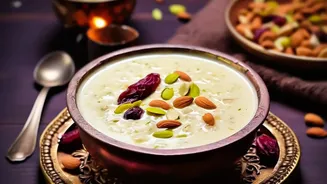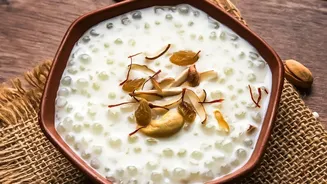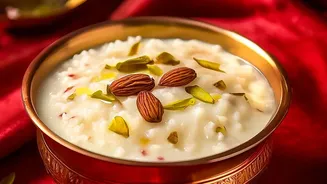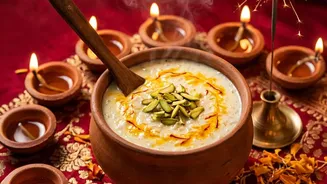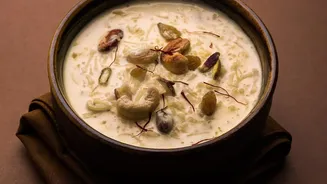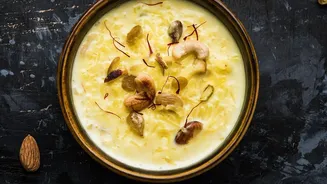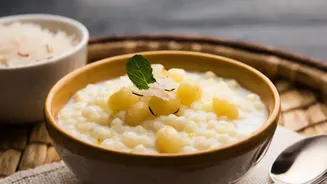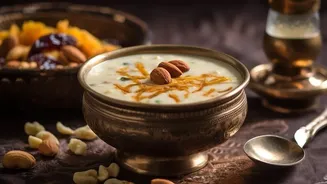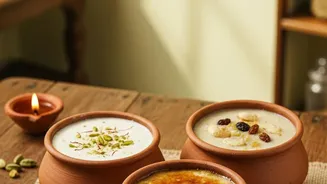

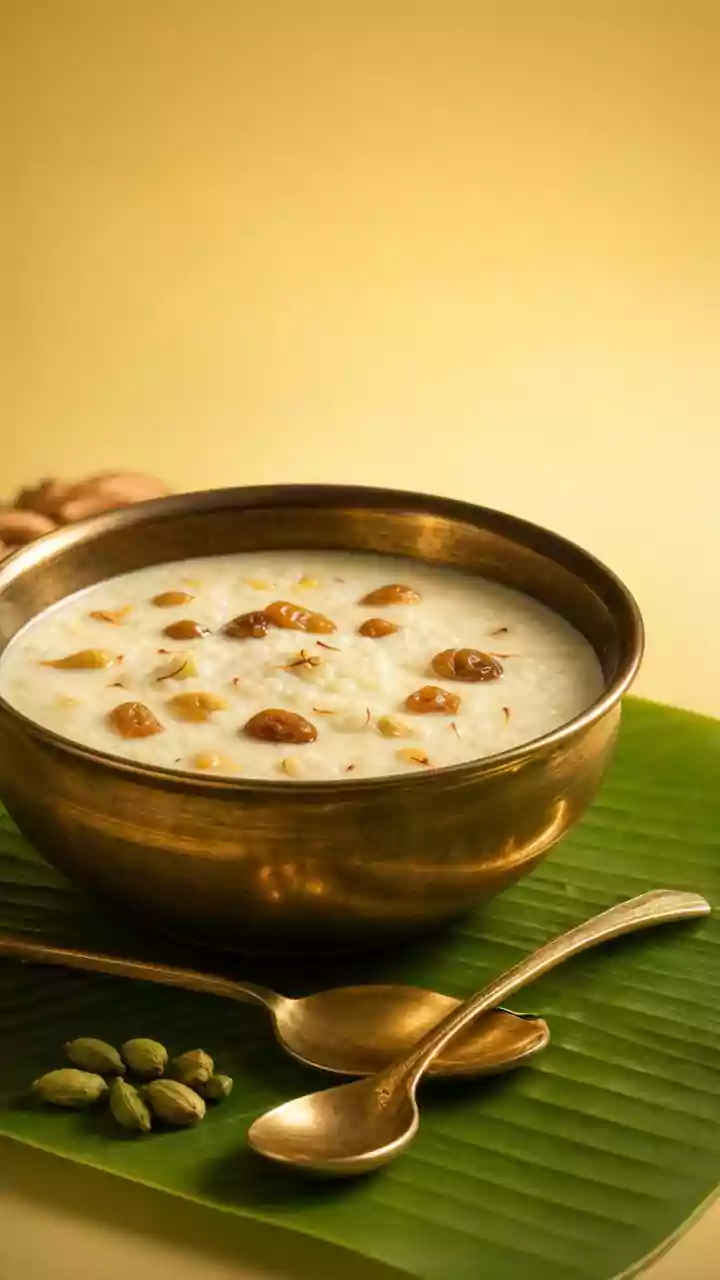
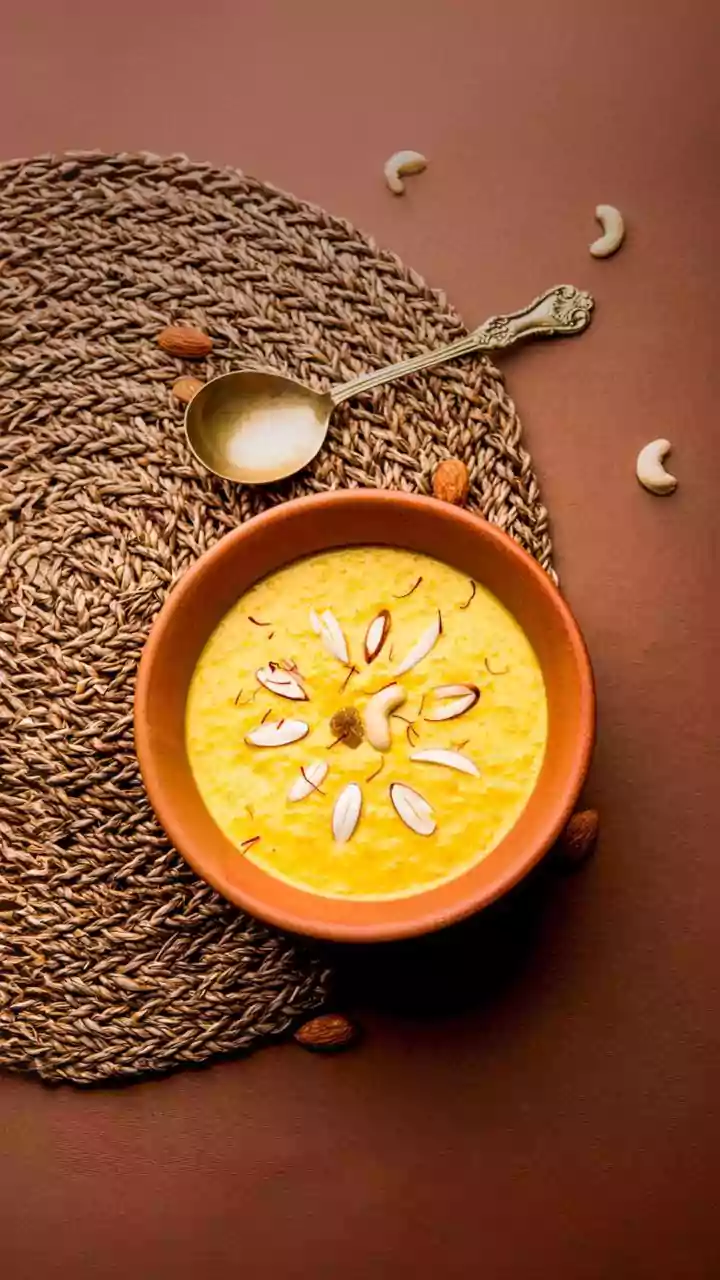
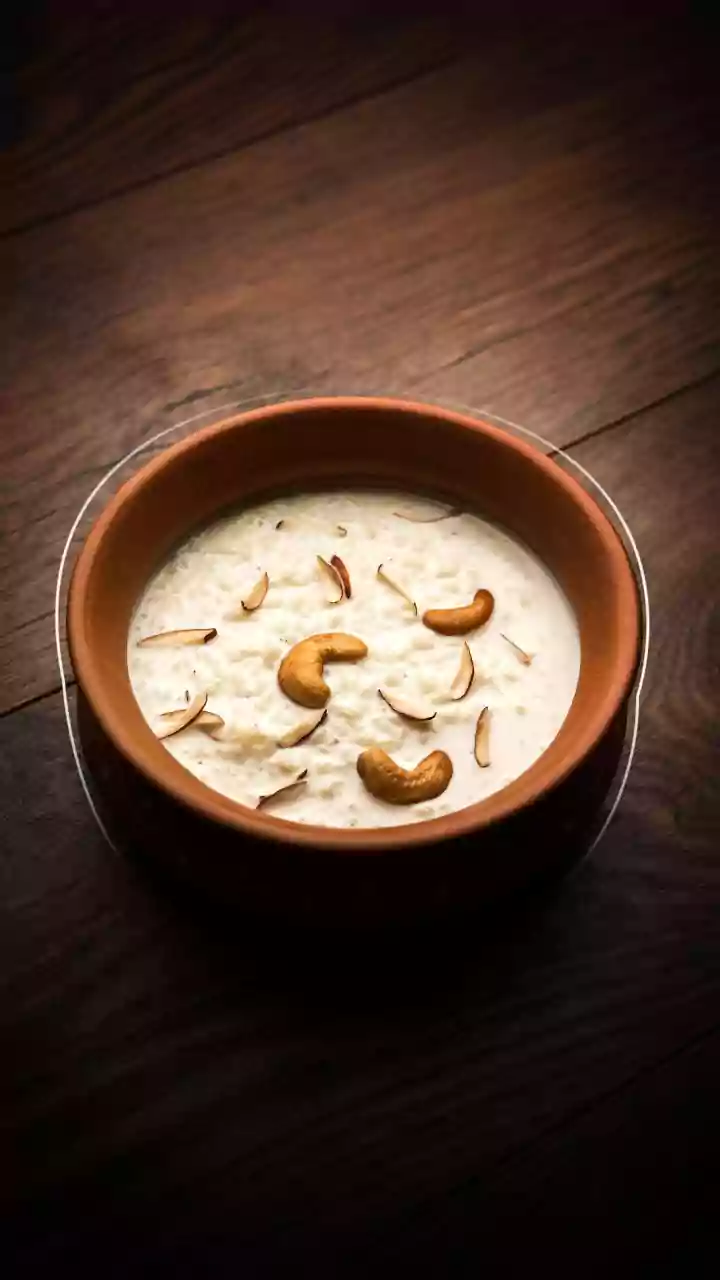
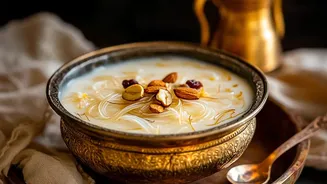

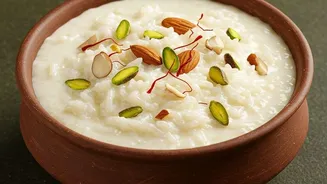
Forget refined sugar for a moment and embrace a dessert that tastes of the earth itself. Ganne ki Kheer, a traditional pudding, offers a unique, rustic sweetness by slow-cooking rice in fresh sugarcane juice. It’s a winter classic.
A Taste of the Harvest Season
Long before processed
sugar became a pantry staple, the natural, liquid gold of sugarcane was a cherished sweetener across India. One of the most beautiful expressions of this is Ganne ki Kheer, also known as 'Roh di Kheer' in Punjab or 'Rasawal' in parts of Uttar Pradesh. This isn't your everyday rice pudding. It is a rustic, soulful dessert deeply connected to the winter harvest season, particularly popular during festivals like Lohri and Makar Sankranti. Traditionally prepared in North Indian states like Punjab, Haryana, and Bihar, this kheer is a celebration of the fresh sugarcane crop, offering a warmth and comfort that feels deeply nostalgic. It’s a dish that tells a story of seasonal eating and making the most of nature's bounty.
An Earthy and Complex Sweetness
The magic of Ganne ki Kheer lies in its distinct flavour. Unlike the straightforward sweetness of sugar or even jaggery, fresh sugarcane juice provides a more complex, earthy, and almost grassy profile that is truly unique. As the rice simmers gently in the juice, the liquid reduces and concentrates, creating a luscious, thick consistency without any need for added sugar. The process is a slow one, requiring patience and frequent stirring, but the reward is immense. The end result is a creamy pudding where the soft grains of rice are perfectly suspended in a naturally sweet, aromatic syrup. Some recipes add a splash of milk to balance the intense sweetness and add creaminess, but the soul of the dish remains the pure, unadulterated taste of sugarcane.
Getting the Foundation Right
The beauty of this kheer is its simplicity, which means the quality of your two main ingredients is paramount. First, you need fresh sugarcane juice ('ganne ka ras'). It is essential to use pure juice without any additions like lemon, ginger, or salt, which are often added by street vendors. Straining the juice before use is a crucial step to ensure a clean taste. Second is the rice. A short-grain, aromatic variety like Gobindobhog or even a broken Basmati rice works wonderfully, as they cook down to a creamy, soft texture that is desirable in a kheer. Soaking the rice for about 30 minutes before cooking helps it soften faster and absorb the sugarcane juice more evenly. These two ingredients form the heart of the dish, with optional additions like cardamom, saffron, and nuts serving to enhance its flavour and texture.
Crafting Your Own Ganne Ki Kheer
To begin, take about one litre of fresh, strained sugarcane juice in a heavy-bottomed pan. Bring it to a boil over medium heat. As it heats, a layer of scum may rise to the surface; it's important to skim this off with a spoon or strainer to keep the kheer's colour light and its flavour clean. Once the juice is clear, reduce the heat to low and add about half a cup of soaked and drained rice. Now, the gentle cooking process begins. Stir the mixture frequently to prevent the rice from sticking to the bottom of the pan. You can add a crushed green cardamom pod or two at this stage for a subtle fragrance. Cook for 25-30 minutes, or until the rice is completely soft and the juice has thickened to a pudding-like consistency.
Finishing Touches and Serving
Once your kheer has reached the desired consistency, you can stir in your choice of nuts and dried fruits. A handful of chopped almonds, cashews, and raisins, lightly toasted in a teaspoon of ghee, can add a delightful crunch and richness. After adding the nuts, cook for another five minutes before turning off the heat. Remember that the kheer will continue to thicken as it cools, so it's best to stop cooking when it is slightly looser than you'd like the final consistency to be. Ganne ki Kheer can be enjoyed both warm on a chilly evening or served chilled. Either way, it’s a taste of tradition, offering a wholesome sweetness that connects you directly to the harvest.