
A New Chapter in Cosmic Exploration
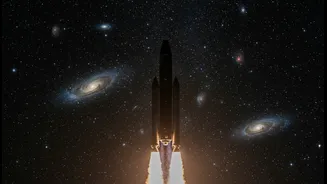
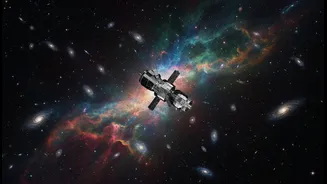
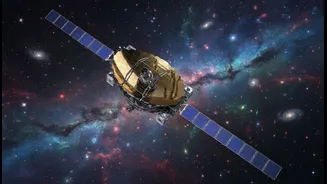
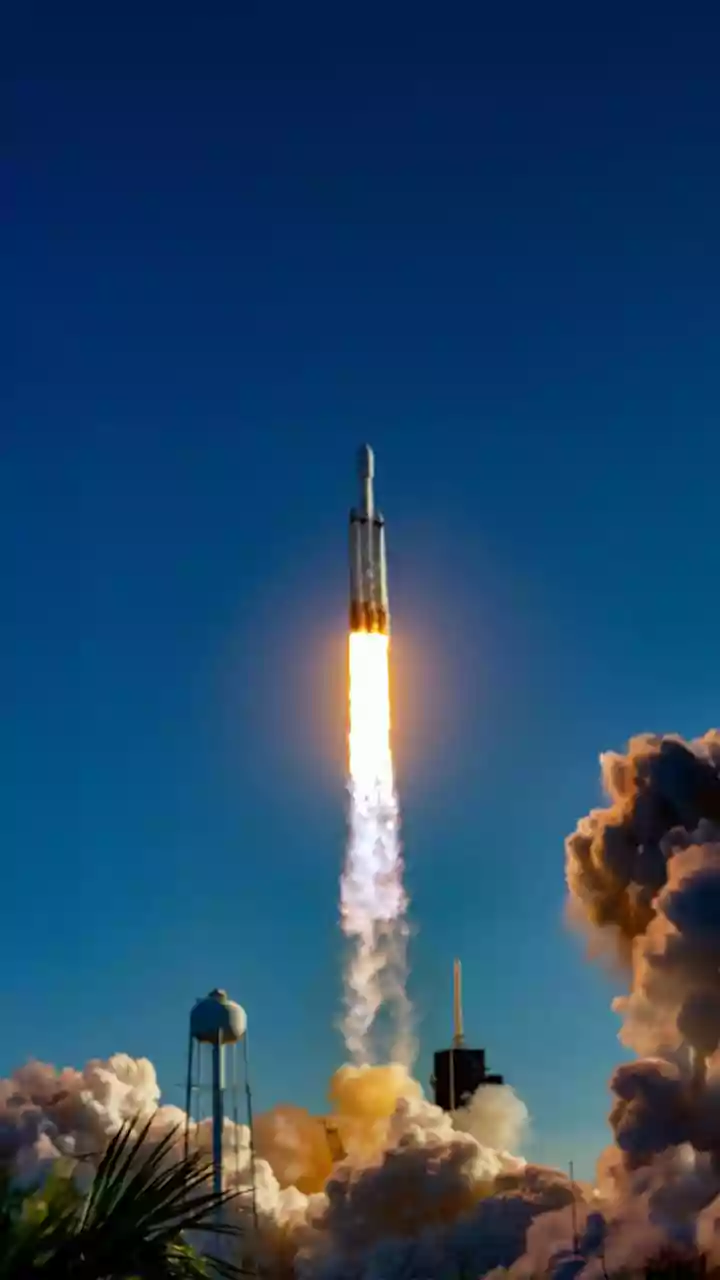
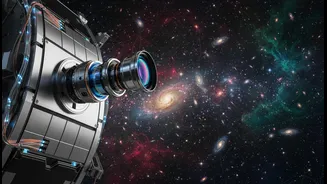
Named after Nancy Grace Roman, NASA’s first chief of astronomy, the Roman Space Telescope is the agency’s next great observatory. After its scheduled launch on a SpaceX Falcon Heavy rocket on August 30, 2026, it will travel to a stable orbit about 1.5
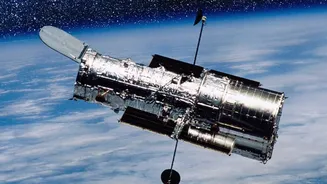
million kilometers from Earth. From this vantage point, it will begin its five-year primary mission to survey the cosmos. While it shares the same mirror size as the Hubble Space Telescope, its instruments are designed for a very different task: to capture vast, panoramic views of the universe with unprecedented speed and clarity. This capability makes it a perfect tool for tackling some of the biggest questions in astrophysics, including the epic story of how galaxies are born and how they evolve over billions of years.
Seeing the Whole Picture
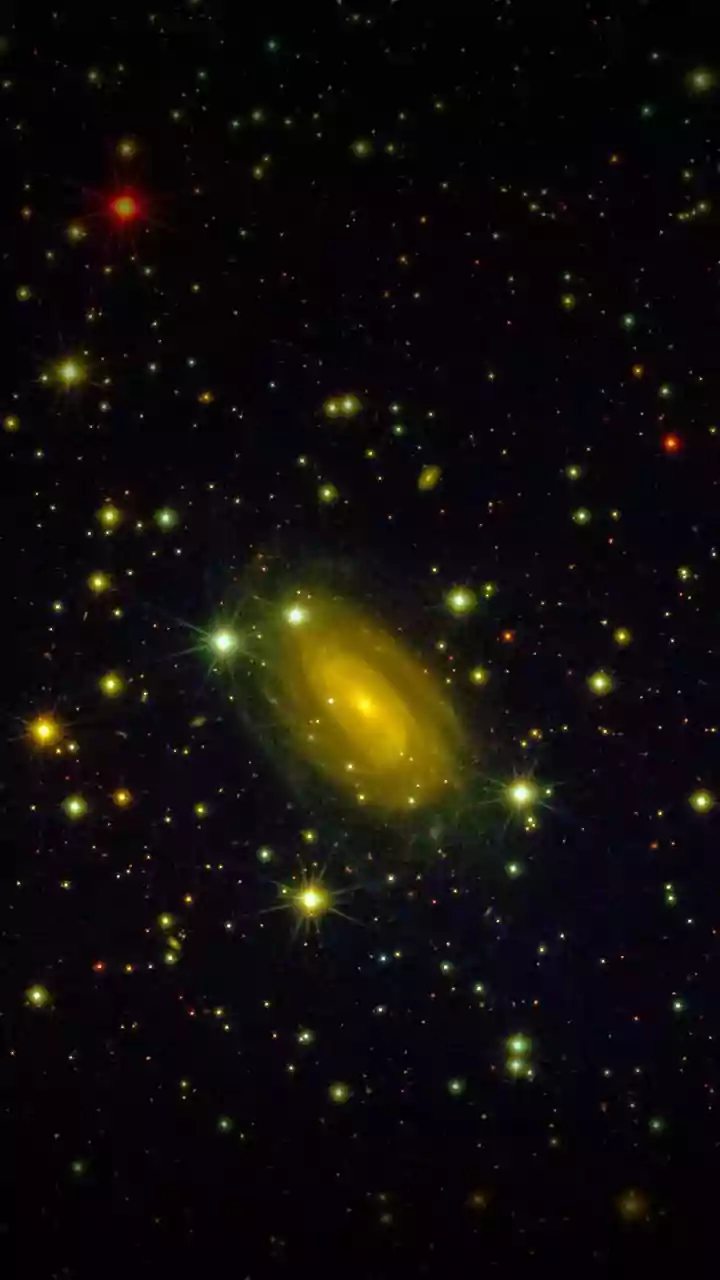
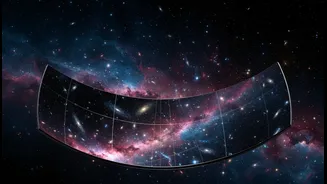
Roman's greatest strength is its incredible field of view. Its Wide-Field Instrument (WFI) can image an area of the sky 100 times larger than Hubble can in a single pointing. Imagine trying to appreciate a giant mural by looking through a tiny keyhole; that's been the challenge for telescopes like Hubble, which excel at deep, narrow views of small patches of sky. Roman, by contrast, can take in the whole mural at once. This means that while it took Hubble over 10 days to create its iconic Ultra-Deep Field image showing thousands of galaxies, Roman could capture a similar image with millions of galaxies in a fraction of the time. This survey speed will allow astronomers to build enormous catalogs of galaxies, providing the statistical power needed to understand their life cycles.
A Cosmic Time Machine
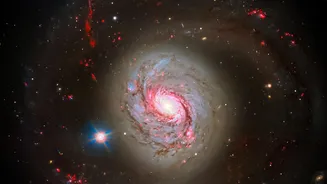
Because light takes time to travel across the vastness of space, looking at distant objects is like looking back in time. The light from a galaxy a billion light-years away shows us that galaxy as it was a billion years ago. Roman will exploit this fact by conducting massive surveys, such as the High Latitude Wide Area Survey, to capture images of hundreds of millions of galaxies at various distances and, therefore, at different stages of their lives. This will provide a cosmic photo album, showing galaxies as they were in their infancy shortly after the Big Bang, through their turbulent adolescence during a period known as "cosmic noon," and into their mature adulthood. By studying this progression, scientists can piece together how structures like spiral arms formed and why some galaxies stopped forming stars while others continued.
Unraveling Galactic Mysteries
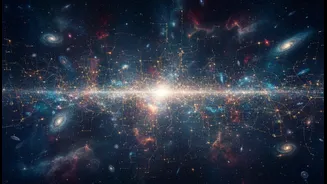
With its ability to gather massive datasets, Roman will help astronomers tackle specific, long-standing questions. Scientists want to understand the co-evolution of galaxies and the supermassive black holes at their centers. By detecting the bright flares from tidal disruption events—when a black hole tears a star apart—Roman will be able to find and study black holes in the early universe. The telescope will also map the distribution of dark matter, the invisible substance that forms the underlying scaffolding of the cosmos, by observing how its gravity bends the light from distant galaxies. This will help reveal the relationship between galaxies and the cosmic web of dark matter they inhabit, providing crucial context for their formation.