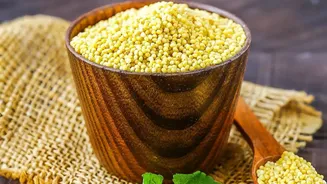









Looking for a breakfast that's quick, healthy, and keeps you full? Combining traditional millets with fresh seasonal fruits in a smoothie is the modern answer. It’s a delicious way to pack your morning with flavour and long-lasting energy.
Why Add Millets to Your Smoothie?
Integrating
millets into your breakfast smoothie is a game-changer for nutrition. These ancient grains are naturally gluten-free and packed with protein and dietary fibre. This high fibre content is the secret to a smoothie that is truly 'filling', as it aids digestion and promotes a feeling of satiety, helping you avoid mid-morning snack cravings. Millets are also a rich source of essential minerals like magnesium, iron, and calcium, contributing to bone health and sustained energy levels throughout the day. By adding a spoonful of millet flour or cooked millet, you transform a simple fruit drink into a well-rounded meal that balances carbohydrates, protein, and vital nutrients.
Choosing and Preparing Your Millet
Different millets offer unique benefits. Ragi (finger millet) is prized for its high calcium content, while Jowar (sorghum) and Bajra (pearl millet) are known for their fibre and protein. For smoothies, the easiest way to incorporate millets is by using their flour form. You can use ragi, jowar, or multi-millet flour. It is crucial to cook the flour before blending to ensure proper digestion and nutrient absorption. Simply dry roast a couple of tablespoons of millet flour in a pan until aromatic, then cook it with a little water or milk to form a thin porridge. Once cooled, this paste can be blended directly into your smoothie. You can also cook whole millets until soft, let them cool, and add a few spoonfuls to your blender.
Perfect Pairings with Seasonal Fruits
The magic of these smoothies lies in the combination of earthy millets and sweet, vibrant fruits. For the autumn and winter months in India, a variety of delicious fruits are in season. Guava, pomegranate, apples, and custard apples are excellent choices during November. The natural sweetness of fruits like bananas and dates can eliminate the need for any added sugar. Bananas create a creamy base that pairs wonderfully with the nutty flavour of ragi. An apple and jowar smoothie, spiced with a pinch of cinnamon, makes for a comforting and hearty breakfast. The key is to use fruits that are at their peak to ensure the best flavour and nutritional value.
A Basic Formula and Two Inspiring Recipes
Crafting your own millet smoothie is simple. Start with a basic formula: 2-3 tablespoons of cooked millet paste, 1 cup of chopped seasonal fruit, 1 cup of liquid (like milk, yogurt, or a plant-based alternative), a natural sweetener like dates or honey if needed, and any optional flavour enhancers.
1. Ragi-Banana Power Smoothie:
Blend 2 tablespoons of cooled, cooked ragi porridge, one large chopped banana, 3–4 pitted dates, and 1 cup of milk until smooth. Add a pinch of cardamom for a traditional flavour boost. This smoothie is incredibly creamy and energy–dense.
2. Jowar–Apple Spice Smoothie:
Combine 2 tablespoons of cooked jowar flour paste, one chopped apple, 1 cup of water or yogurt, a few soaked almonds, and a dash of cinnamon powder in a blender. Blend until you achieve a smooth consistency. This drink offers a delightful texture and a warming, aromatic flavour.
Tips for the Best Flavour and Texture
To elevate your smoothie experience, consider adding other nutritious ingredients. A tablespoon of nuts like almonds or walnuts adds healthy fats and a richer texture. Seeds such as chia or flax can provide an extra boost of omega–3s and fibre. Don't be afraid to experiment with spices. While cardamom and cinnamon are classic choices, a pinch of ginger powder can add a pleasant warmth, especially in winter. For a creamier consistency, use a frozen banana or add a few ice cubes. If your smoothie is too thick, simply add a splash more of your chosen liquid until it reaches your desired consistency.