







A Fundamental Shift in Intercity Travel
A new generation of Indian travellers is rethinking the need for personal vehicle ownership for long journeys. According to the recent Intercity Mobility Survey 2026 by IntrCity SmartBus, there is a clear and growing preference for shared transport. The
survey, which polled over 13,000 people, found that 76.3% of travellers expect to increase their use of shared mobility over the next three years. This isn't just a fringe trend; nearly half of the respondents reported that their five most recent intercity trips were all made using services like buses, trains, or carpooling platforms. The primary drivers of this change are young, salaried professionals between 18 and 43 years old, who value convenience and experience over ownership. In fact, even among those who own a car, more than 30% prefer not to drive themselves on intercity routes, citing stress and the desire for a more relaxed journey.
The 500-Kilometre Question
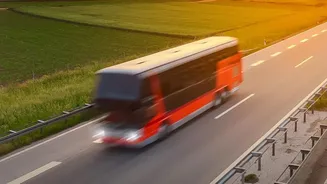
The battleground for this new travel culture appears to be the mid-range journey of 400 to 600 kilometres—think routes like Delhi-Jaipur or Mumbai-Ahmedabad. The survey presented a fascinating hypothetical: if costs were identical, what mode of transport would you choose for such a trip? An overwhelming 69.6% opted for a premium shared bus over a personal car, train, or even a flight. This single statistic speaks volumes about evolving priorities. It’s no longer just about getting from Point A to Point B. Travellers are making a conscious trade-off, prioritising a stress-free experience, comfort, and digital conveniences like online booking, which 82.4% of users deemed important. While affordability remains a factor, it is now nearly matched by the demand for safety, reliability, and cleanliness, with over 71% of passengers willing to pay more for a guaranteed better experience.
A Tale of Two Shared Models
However, the term 'shared travel' encompasses a wide spectrum of services that require different passenger mindsets. On one end, you have organised, tech-enabled premium bus services that promise a consistent, flight-like experience with professional staff and amenities. On the other end are peer-to-peer carpooling platforms like BlaBlaCar, which have seen explosive growth and now count India as their largest global market. The carpooling model is fundamentally different. It's a micro-economy built on cost-sharing, not professional service. Drivers are ordinary commuters offsetting fuel costs, not chauffeurs. This distinction is critical. While a premium bus journey is a commercial transaction for a standardized service, a carpool is a social agreement based on mutual convenience. Its rise has been fuelled by India's limited public transport capacity and improving road networks, making it a pragmatic choice, especially in regions underserved by trains and buses.
Why Passenger Expectations Must Evolve
This is where the case for reviewing expectations becomes crucial. The friction points of shared travel—safety concerns, unexpected delays, or the social dynamics of sharing a small space with strangers—are often born from a mismatch in understanding. While organised operators are investing heavily in safety and reliability to address these barriers, the peer-to-peer model inherently involves a different set of trade-offs. You gain point-to-point convenience and lower costs, but you may lose the predictability of a scheduled service. A passenger cannot expect the formal service of a premium bus from a citizen sharing their private car. Treating carpooling as a low-cost taxi service is a recipe for frustration. Instead, it should be viewed as a distinct mode of transport—more organised than hitchhiking, but more social and less formal than a bus. The key is to understand the value proposition: is it a predictable, comfortable service you're after, or is it maximum cost-efficiency and flexibility?