


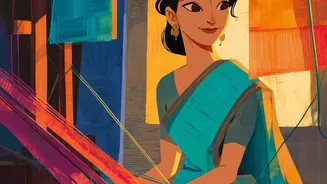
A quiet revolution is unfolding in the wardrobes of young India. Beyond fast fashion, a new aesthetic is emerging, where ancient artistry meets modern silhouettes. What is driving creatives to embrace artisanal textiles like Ikat and Kalamkari?
A Tale of Two Textiles
At the
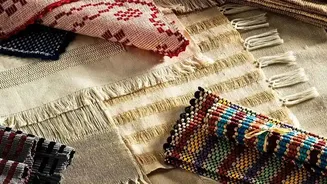
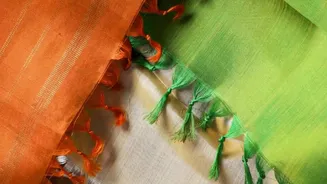
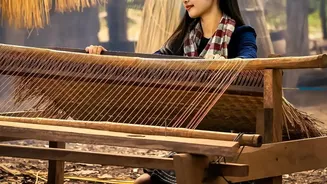
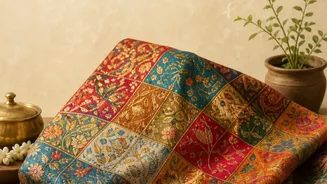
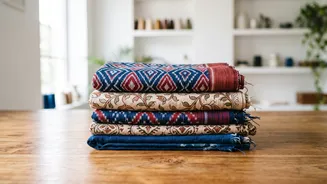
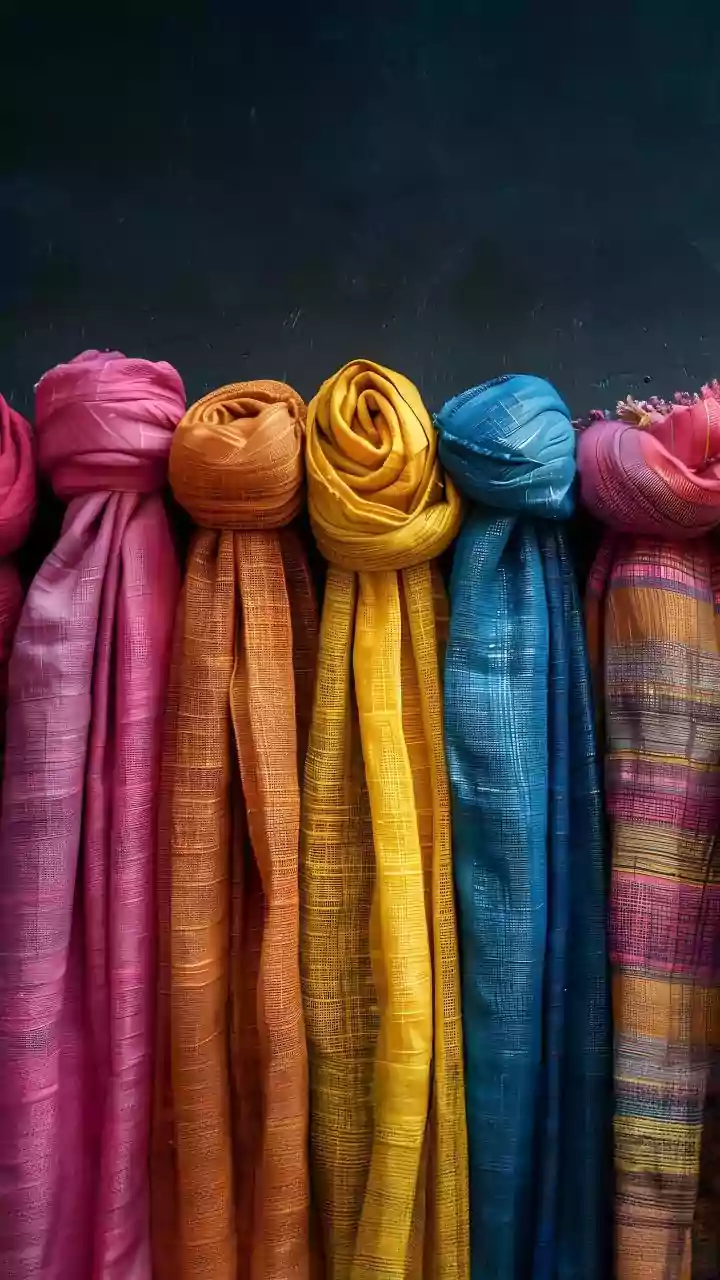
heart of this trend are two of India’s most storied crafts: Ikat and Kalamkari. Though visually distinct, both represent a deep heritage of artistry. Ikat, a word meaning 'to tie', is a complex dyeing technique where yarns are resist-dyed before being woven. This creates its signature blurred or feathered patterns, a testament to the weaver's skill. The process is meticulous, with roots stretching across Asia and ancient evidence found in Indian caves. Kalamkari, meaning 'pen craftsmanship', is the art of hand-painting or block-printing on fabric, traditionally using a tamarind pen and natural dyes. Originating in Andhra Pradesh and Telangana, this art form traditionally depicted mythological stories on large temple cloths and scrolls. Today, its earthy tones and intricate motifs of flora and fauna are finding new life.
Beyond the Traditional Wardrobe
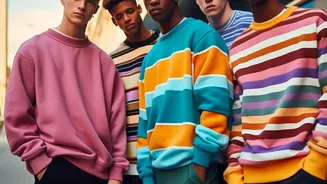
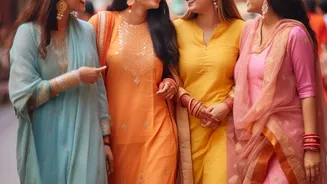
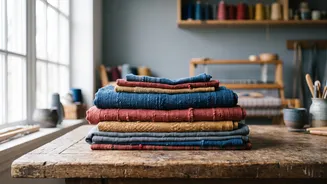
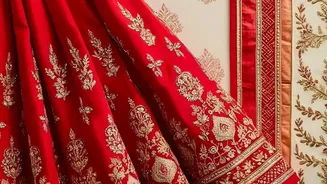
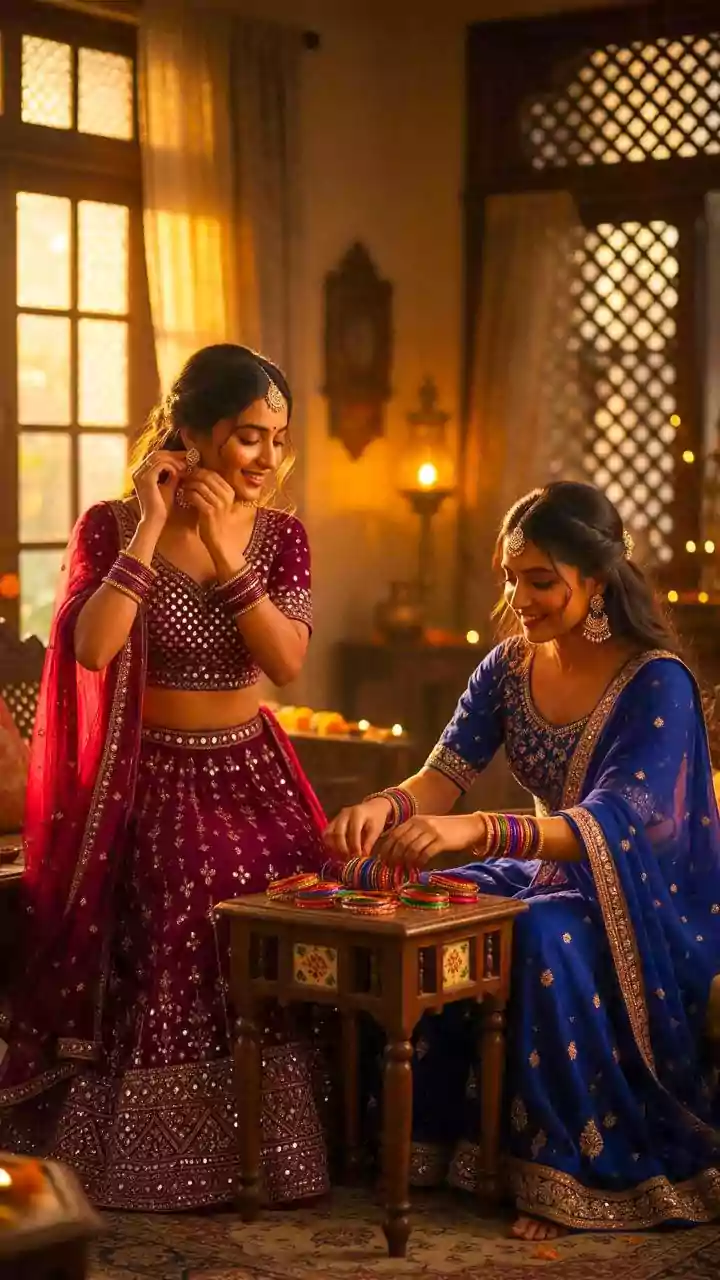
For years, many handloom textiles were reserved for sarees and occasion wear, often associated with the wardrobes of mothers and grandmothers. But today’s youth are deconstructing these norms. Creatives are styling these fabrics in ways that feel personal and contemporary. Imagine an Ikat bomber jacket paired with jeans, a Kalamkari print on a tailored blazer, or a handloom kurta worn with sneakers. This fusion of Indo-Western style allows young people to integrate their heritage into everyday life, from college campuses to casual outings. The versatility of these textiles is key; they can be adapted into dresses, trousers, scarves, and even accessories like tote bags, breaking free from traditional silhouettes.
The Search for Authenticity and Story
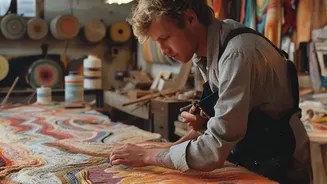
In a world saturated with mass-produced fast fashion, there is a growing 'aesthetic fatigue'. Many young consumers are looking for clothing with character and a story. Artisanal textiles offer a powerful antidote. Each handwoven Ikat or hand-painted Kalamkari piece is unique, carrying the imprint of its maker. This story-driven aesthetic resonates with a generation that values individuality and self-expression. Owning a handcrafted garment is not just a style choice; it’s a connection to a living tradition and a person, ensuring fair wages and preserving generational skills.
Conscious Choices and Slow Fashion
Sustainability is a major driver behind this trend. Gen Z and millennials are increasingly aware of the environmental and ethical toll of the fashion industry. Artisanal textiles align perfectly with the principles of 'slow fashion'. Produced by hand using natural fibers like cotton and silk and often colored with natural dyes, these fabrics have a significantly lower carbon footprint than their factory-made counterparts. By choosing handloom, young consumers are making a conscious decision to support eco_friendly production and reduce waste. It’s a way of wearing one's values, making the checkout cart a ballot box for a more sustainable future.
The Digital Artisan Showcase
Social media has played a pivotal role in this revival. Platforms like Instagram have become a digital stage for both artisans and style influencers. Designers and artisan collectives can now connect directly with a global audience, sharing the intricate process behind their work through compelling visual storytelling. Simultaneously, fashion creators showcase innovative ways to style these traditional textiles, inspiring their followers to experiment. Hashtags popularize trends like wearing heirloom sarees in new ways or upcycling old fabrics, creating a vibrant online community that celebrates heritage fashion in a modern context.