







Embrace the Waterfalls in Their Full Glory
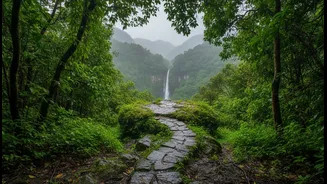
The monsoon transforms trickling streams into magnificent, roaring waterfalls. Destinations like Jog Falls and Shivanasamudra in Karnataka, or Athirappilly in Kerala, are at their most powerful and spectacular between June and September. The sheer volume
of water creates a thunderous sound and a fine mist that hangs in the air. While some trekking routes to the base might close for safety, designated viewpoints offer breathtaking panoramas. Always check local weather alerts and respect safety barriers, as currents can be strong and rocks slippery. A visit to falls like Abbey Falls in Coorg, surrounded by coffee plantations, offers a multi-sensory experience of sight and smell.
Tour a Fragrant Spice Plantation
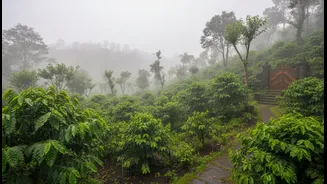
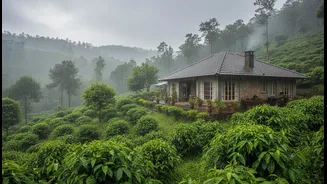
The Western Ghats are the historic heartland of India's spice trade, and the rain makes these plantations incredibly vibrant and aromatic. Regions like Thekkady, Munnar, and Wayanad are famous for their estates growing pepper, cardamom, cinnamon, and vanilla. A guided tour is a sensory journey where you can touch, smell, and even taste spices straight from the vine. The monsoon is an ideal time for these tours; the air is fresh, the foliage is lush green, and the aromas are noticeably stronger. Many plantations in areas like Kumily have shops where you can buy farm-fresh, organic spices.
Indulge in a Monsoon-Specific Ayurveda Retreat
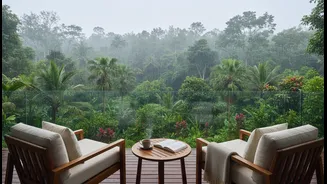
According to ancient Ayurvedic texts, the monsoon season, or 'Karkidaka' in Kerala, is the best time for rejuvenation therapies. The cool, moist, and dust-free air is believed to open up the body's pores, making it more receptive to herbal oils and treatments. This makes Panchakarma and other detoxification programs particularly effective for addressing joint pain, skin ailments, and boosting immunity. Wellness retreats across Kerala offer specialised monsoon packages that combine therapies with a nourishing diet and the calming sounds of the rain, creating a deeply restorative experience.
Go on a Misty, Fog-Laden Drive
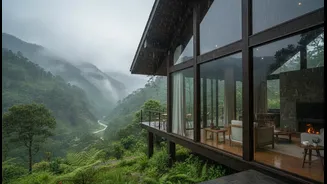
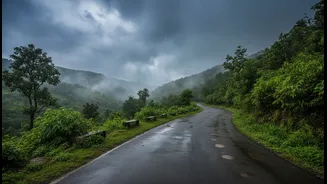
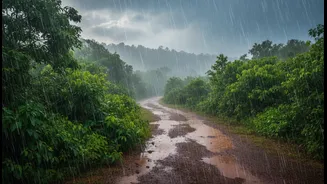
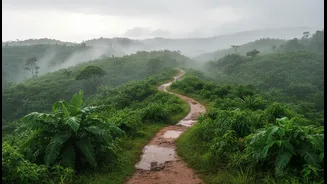
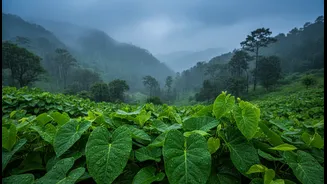
There is a unique magic to driving through the ghats when they are enveloped in mist and low-hanging clouds. Routes through hill stations like Mahabaleshwar, Malshej Ghat, Coorg, and Munnar become incredibly atmospheric. Winding roads flanked by emerald forests and sudden waterfalls create a cinematic experience. While it’s a photographer’s dream, it demands cautious driving. Ensure your vehicle’s fog lamps and wipers are in good condition. The goal isn’t to get somewhere fast, but to soak in the moody, ethereal beauty of the landscape at a slow pace.
Savour the Local Monsoon Cuisine
The rainy season brings its own distinct flavours. Across the Western Ghats, roadside stalls and local eateries serve up hot, comforting snacks perfect for the weather. Think piping hot 'bhajiyas' (fritters), roasted corn on the cob ('bhutta'), and steaming 'vada pav'. In Kerala, this is the time for dishes like 'pazham pori' (banana fritters) and 'puttu' with 'kadala' curry. Goan homes and restaurants feature fresh seafood curries and the iconic pink-hued digestive drink, 'sol kadhi', made from kokum, a fruit native to the region. These dishes are not just about taste; they are designed to provide warmth and boost immunity during the damp season.
Explore the Rainforest with a Naturalist
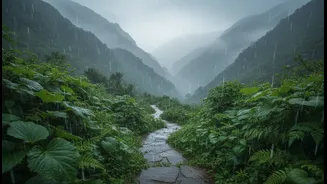
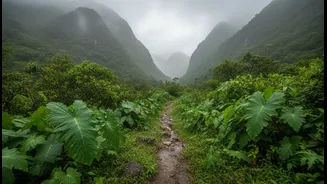
The monsoon awakens the incredible biodiversity of the Western Ghats, a UNESCO World Heritage hotspot. This is a prime time for unique ecological experiences. In places like Agumbe and Amboli, you can join guided night walks to find frogs, as amphibians become most active for breeding after the first rains. Some areas in the Sahyadris even host firefly festivals, where thousands of insects light up the forest in a synchronized display. These activities, often led by local experts, offer a fascinating glimpse into the secret life of the rainforest that you would completely miss in the dry season.