






Start with Official Sources
Before you even pack your bags, your first stop should be the official India Meteorological Department (IMD) website. The IMD uses a colour-coded system to issue weather warnings. 'Green' means all clear, 'Yellow' advises you to stay updated, 'Orange'
means be prepared for potentially disruptive weather, and 'Red' is a call to action, indicating a serious threat that may require you to postpone or cancel travel. Understanding these alerts is the first step in making an informed decision. Also, check advisories from the National Disaster Management Authority (NDMA), which provides crucial safety information during severe weather events.
The Smart Road Trip Checklist
If you're travelling by car, a pre-trip inspection is non-negotiable. Ensure your tyres have enough tread to grip wet roads, your brakes are in top condition, and your windscreen wipers are working effectively. During heavy rain, visibility drops significantly, so always drive with your low-beam headlights on to see and be seen. Reduce your speed and double the usual distance from the car in front, as braking takes longer on wet surfaces. It is also wise to have a full tank of fuel, as rain can cause unexpected traffic jams.
Never Underestimate Waterlogged Roads
One of the biggest risks during the monsoon is driving through flooded streets. It can be impossible to gauge the water's depth or see hidden dangers like open manholes and large potholes. As a rule, if the water appears to be higher than the centre of your car's wheels, do not attempt to drive through it. It is always better to find an alternate route or wait for the water to recede. Attempting to cross can cause your vehicle to stall and may lead to expensive engine damage, leaving you stranded in a dangerous situation.
Pack for Preparedness
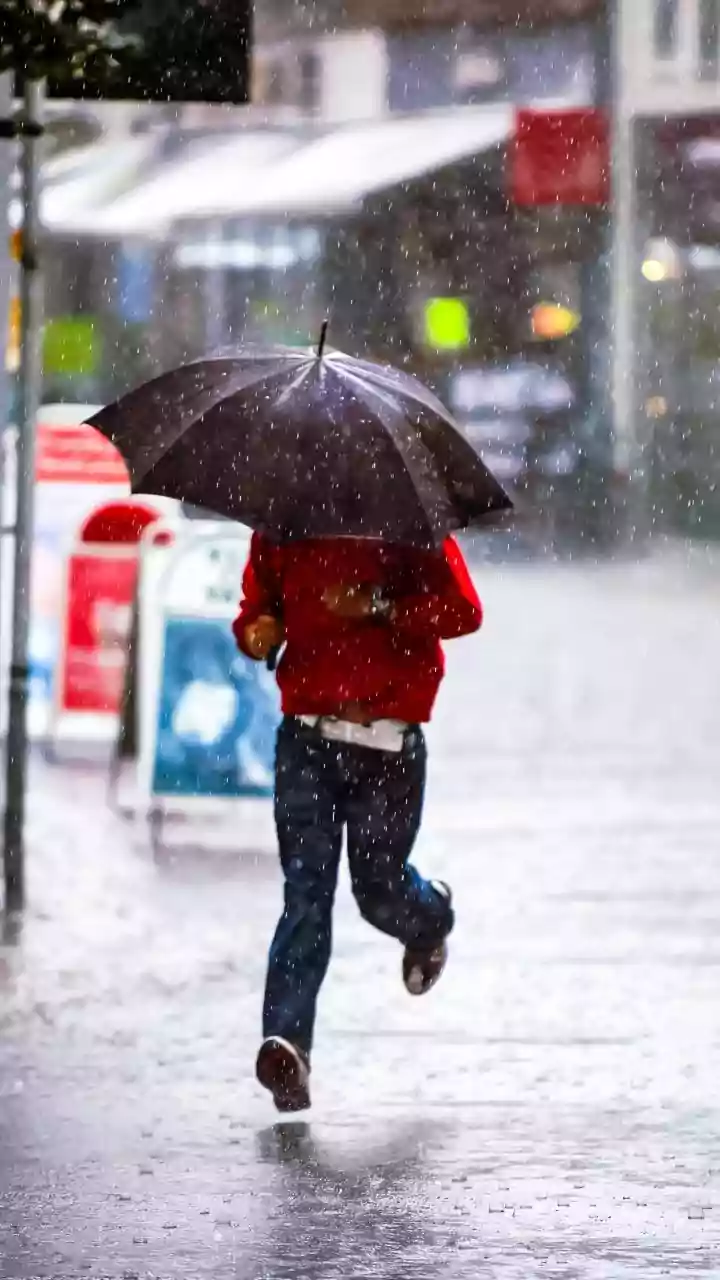
Your packing list needs a few monsoon-specific additions. A sturdy umbrella and raincoat are obvious, but also consider waterproof bags or zip-lock pouches to protect electronics and important documents. An emergency kit is essential, containing a first-aid kit, a torch, a power bank for your phone, and some non-perishable snacks and drinking water in case of long delays. Having these items on hand can make a significant difference if you get stranded due to road closures or transport cancellations.
Flexibility Is Your Best Friend
Sometimes, the smartest and safest decision is to change your plans. Heavy rainfall can affect train schedules and lead to flight delays or cancellations. Monitor your travel provider’s updates and be prepared for disruptions. If your destination is in a high-risk area for landslides, such as hilly regions, or coastal areas prone to flooding, consider switching to a safer alternative. Choosing a destination closer to home or planning a staycation can be a great way to still enjoy your holiday without the stress and risk of travelling in severe weather.