
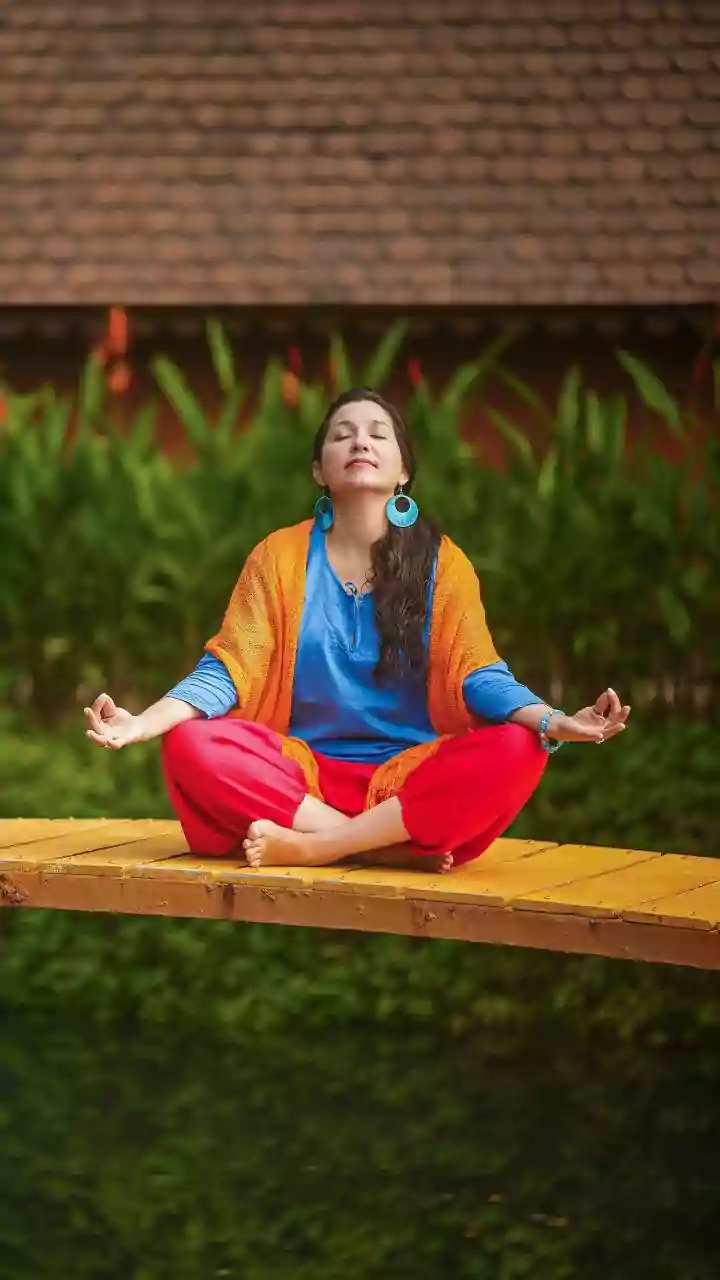



In our constant search for calm in a chaotic world, we often think of intense workouts or silent meditation. But what if the deepest form of rest required no effort at all? Enter Yoga Nidra, a unique practice of 'yogic sleep'.
What Exactly Is Yoga Nidra?
Often translated as 'yogic
sleep', Yoga Nidra is a guided meditation technique that induces a state of profound relaxation between wakefulness and sleep. Unlike other forms of yoga that focus on physical postures (asanas), this practice is typically done lying down comfortably in Savasana (corpse pose). The goal isn't to fall asleep, but to maintain a state of conscious awareness as the body drifts into deep rest. It's a systematic method of withdrawing the senses, allowing the mind and body to recharge on a cellular level. Practitioners are guided by a teacher's voice, leading them through specific stages designed to quiet the nervous system and access deeper layers of consciousness.
The Science of 'Effortless' Relaxation
The magic of Yoga Nidra lies in its effect on the brain. The guided process encourages the brain to transition from the active beta waves of normal waking consciousness to the calmer alpha waves associated with relaxation. As the practice deepens, many people experience theta waves, which are linked to the dream state (REM sleep), deep meditation, and heightened creativity. This state allows the parasympathetic nervous system—our 'rest and digest' mode—to take over. In doing so, it lowers cortisol levels (the stress hormone), reduces blood pressure, and helps regulate the body's functions. It's a conscious, structured way to give your nervous system a complete reset without needing to master complex poses or breathing techniques.
The Journey Through Consciousness
A typical Yoga Nidra session follows a specific sequence. It begins with setting a 'sankalpa', or a heartfelt resolve, which is a short, positive statement that is planted in the subconscious mind. From there, the guide leads you through a 'rotation of consciousness', where you focus on different parts of the body in a structured order. This body scan isn't about feeling or sensing, but simply moving your awareness from point to point, which systematically relaxes the entire physical form. Other stages may include breath awareness and the visualization of opposite sensations (like heat and cold) or images, all designed to disengage the active, thinking mind and promote sensory withdrawal, a state known as 'pratyahara'.
Beyond Just Feeling Calm
While immediate relaxation is the most noticeable effect, the long term benefits are far more profound. Regular practice has been shown to significantly improve sleep quality, making it a powerful tool for those struggling with insomnia. It can reduce symptoms of anxiety and post traumatic stress by helping the nervous system become more resilient. Many practitioners report enhanced mental clarity, improved focus, and a greater sense of emotional balance in their daily lives. By creating a space to process emotions and experiences from a state of deep rest, Yoga Nidra can untangle mental knots and foster a stronger mind body connection.
How It Differs From Meditation
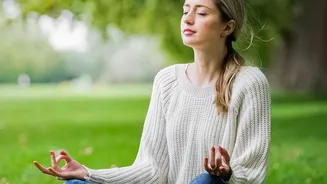
While both are powerful wellness tools, Yoga Nidra and traditional meditation have different approaches. Many meditation practices involve concentration, requiring you to focus your attention on a single point, such as the breath or a mantra, while sitting upright. This is an active training of the mind. In contrast, Yoga Nidra is about letting go completely. The focus is not on concentrating but on effortlessly following the guide's voice as you withdraw your awareness inward. While Savasana is the posture used for Yoga Nidra, a simple Savasana is just a resting pose. Yoga Nidra is the structured, guided journey that happens while you are in that pose.