



Transform Walls Without Paint
The fastest way to change the character of a room is by addressing its walls. While painting is often restricted, you can achieve a similar impact with temporary solutions. Peel-and-stick wallpaper is a leading choice for renters, offering thousands of patterns
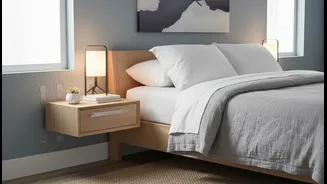
that apply without glue and remove cleanly. These wallpapers are designed to be repositionable and won't damage properly prepared surfaces. For a smaller commitment, wall decals offer a playful way to add personality, from creating a custom headboard design to a simple accent pattern. Another easy trick is using washi tape to create geometric designs or temporary frames around posters. For a more functional approach, you can cover a wall section with corkboard panels using double-sided tape, creating a large, damage-free pinboard for notes and photos.
The Art of Damage-Free Hanging
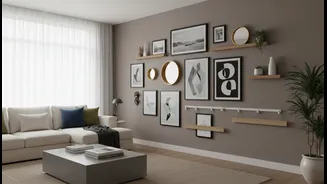
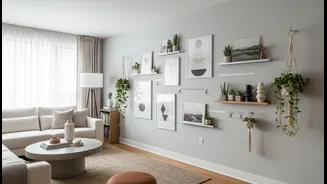
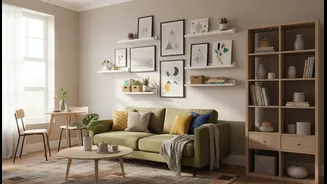
One of the most common sources of wall damage comes from nails and screws. Luckily, the market for damage-free hanging solutions is vast. Adhesive hooks and strips are the go-to for hanging everything from framed art to string lights. The key is to strictly follow the weight limits specified on the packaging and properly clean the wall surface before application. For heavier items, look for Velcro-style strips that can often hold up to 20 pounds. A common error is using any old double-sided tape, which can leave residue or peel paint; always opt for products specifically designed for removable mounting. If you're hesitant about adhesives, consider leaning larger pieces of art against the wall for a casual, modern look or using picture ledges to display a rotating collection of smaller frames.
Create Zones Without Walls
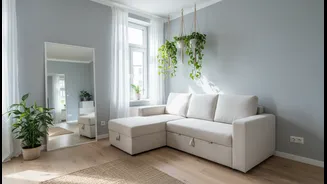
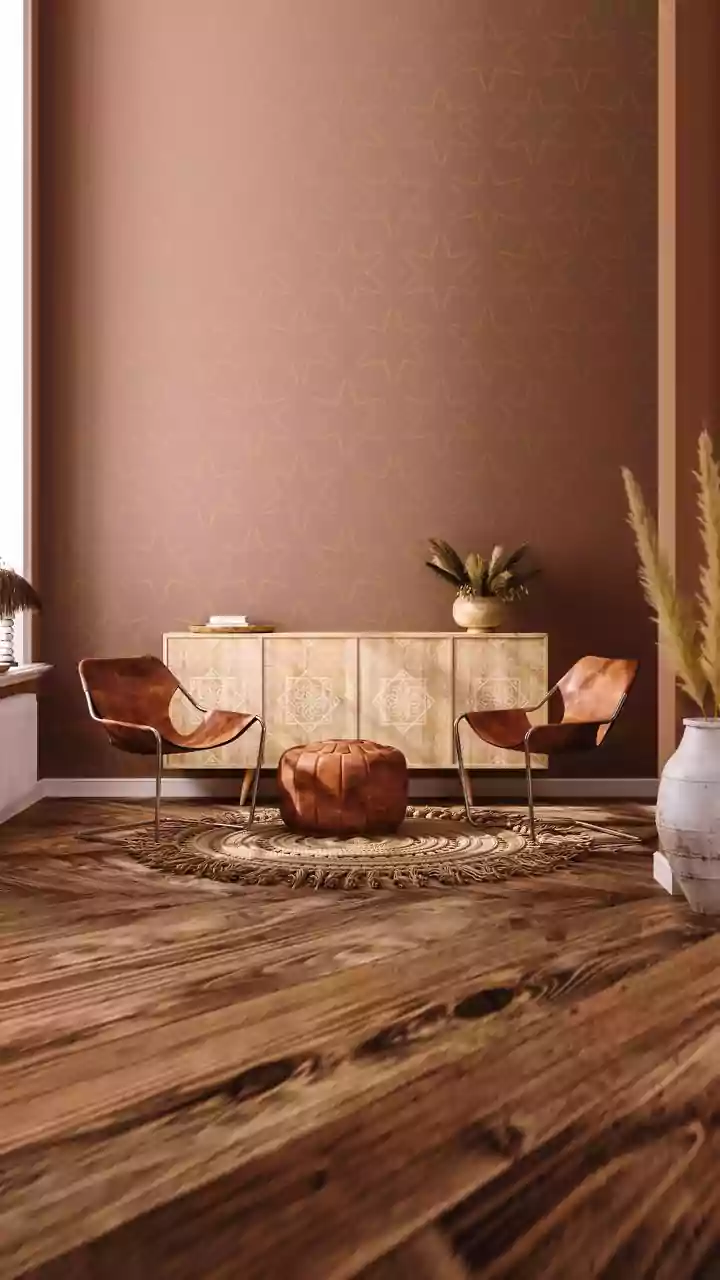
In a studio or open-plan apartment, creating distinct 'rooms' can make the space feel larger and more organized. Area rugs are incredibly effective at defining zones. A large rug can anchor your living room furniture, visually separating it from a dining or work area. The trick is to ensure the rug is large enough to fit at least the front legs of your sofa and chairs, creating a cohesive island. Another powerful tool is furniture placement. A strategically placed bookcase can act as a room divider, adding storage while creating the illusion of a separate space. Similarly, a console table behind a sofa can delineate the end of a living area and the beginning of a hallway or entryway.
Smart, Freestanding Storage Solutions
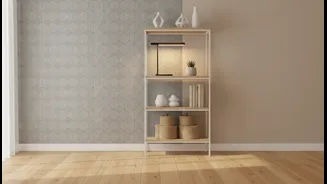
Built-in storage is often lacking in rentals, but drilling into walls to add shelves is usually out of the question. Instead, focus on freestanding and tension-based solutions. Tall, narrow bookcases can add vertical storage without a large footprint. Tension rod shelving systems, which use pressure to fit between the floor and ceiling or two walls, can create robust storage for clothes, books, or kitchen supplies without a single screw. Don't overlook the power of over-the-door hooks and organizers for everything from coats in the entryway to pans in the kitchen. These simple additions can drastically increase your storage capacity without altering the apartment's structure.
Common Mistakes and How to Avoid Them
Many renters lose their deposit not from major damage, but from small, avoidable errors. A frequent mistake is trusting a "removable" product on the wrong surface; always test adhesive strips or decals on a small, inconspicuous area first to ensure they won't peel the paint. Another pitfall is ignoring the stated weight limits on adhesive hooks, leading to items falling and causing damage. Finally, assuming a few small nail holes won't matter can be a costly gamble, as many leases classify any hole as damage. Before making any alteration, no matter how small, it's wise to review your lease or even get written permission from your landlord. Always keep anything you remove, like original light fixtures or hardware, to reinstall before you move out.