

The First Crucial Steps
Before you begin any drying method, immediate action is key. As soon as you get home, take off your wet shoes. Remove the laces and insoles, as these parts hold a lot of moisture and need to be dried separately. This simple step allows air to circulate
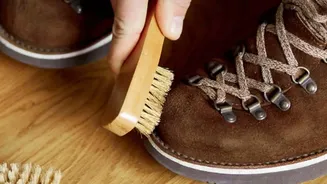
more freely inside the shoe, significantly cutting down the drying time. If your shoes are muddy, give them a quick clean with a damp cloth or a soft brush to remove any dirt before you start the drying process. Then, use a dry towel to blot and absorb as much excess water as you can from both the outside and inside of the shoes. Don't rub aggressively; a gentle press is all that's needed.
The Classic Newspaper Method
This is one of the oldest and most effective tricks for a reason. Newspaper is highly absorbent due to its composition of wood pulp and recycled materials. Its porous nature acts like a sponge, drawing moisture out from the shoe's interior. Crumple sheets of newspaper into loose balls and stuff them inside each shoe, making sure to reach all the way to the toe. The stuffing helps the shoe maintain its shape as it dries, preventing it from warping or creasing. For very wet shoes, you'll need to replace the damp newspaper with fresh sheets every few hours. This method is particularly safe for leather, canvas, and sneakers.
Harness the Power of Airflow
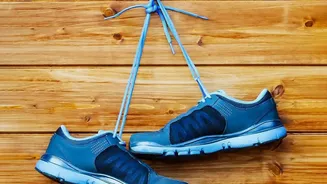
Good air circulation is your best ally against dampness, especially in humid weather. A simple table or floor fan can work wonders. Place your prepped shoes (insoles and laces removed) in front of a fan. You can prop them up against a wall or, for lighter shoes, even hang them from the fan's grill using S-shaped hooks made from a wire hanger. The constant flow of cool air dramatically speeds up evaporation without the damaging effects of heat. This method is safer than any heat-based alternative and is effective for all shoe types. For best results, position the shoes so the air can flow directly inside the opening.
Try the Uncooked Rice Trick
Uncooked rice is a natural desiccant, meaning it absorbs moisture from its surroundings. This makes it a great household tool for drying damp items. You can fill an old, clean sock with uncooked rice, tie it shut, and place one inside each shoe. For an added boost, some suggest adding baking soda to the rice mix to help neutralize odours. To make this method even more effective, you can place the shoes with the rice-filled socks into an airtight box. This creates a low-humidity micro-environment where the rice can draw moisture out of the shoes more efficiently. This gentle process is excellent for preserving delicate materials.
Use Specialised Moisture Absorbers
Don't throw away those little silica gel packets that come in new shoe boxes or electronics packaging. They are designed to be powerful moisture absorbers. Placing a few of these packets inside your wet shoes can significantly help draw out dampness, especially overnight. This method is particularly useful for delicate materials like suede or leather that are sensitive to other methods. For a more permanent solution, consider investing in cedar shoe trees. While they are primarily for maintaining shape, the natural properties of cedarwood also help to absorb moisture and eliminate odours, making them a great long-term investment for shoe care.
What You Must Absolutely Avoid
The fastest way to ruin a good pair of shoes is by applying direct, high heat. Never place your shoes directly on a radiator, in an oven, or use a hairdryer on a high setting. Excessive heat can cause leather to crack and become stiff, weaken the adhesives that hold the shoe together, and even cause the rubber soles to warp or shrink. Similarly, while drying in the sun might seem natural, direct sunlight can cause the colours to fade and can make certain materials brittle over time. Patience and gentle, heat-free methods will always preserve the life and fit of your footwear far better than any quick, high-heat fix.