







The Two-Pilot Rule: A Foundation of Safety
The first and most important safety layer is the presence of two fully qualified pilots in the cockpit of every commercial flight. The Captain and the First Officer (or co-pilot) are both capable of flying the aircraft alone. They undergo rigorous and recurrent
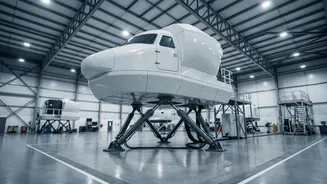
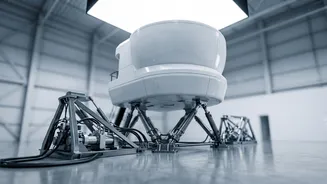
training, which includes simulated scenarios of pilot incapacitation. This training ensures that if one pilot is unable to perform their duties, the other is prepared to take full command of the aircraft and all its systems without hesitation. The entire system of crew resource management is designed around this principle of mutual support and monitoring.
Immediate Actions: Control and Communication
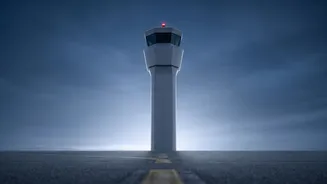
Regardless of the flight phase, the immediate response follows a clear protocol. The remaining pilot's first priority is to maintain control of the aircraft. They will verbally announce, "I have control," to formally take command. If the autopilot is not already engaged, the pilot will typically engage it to reduce their workload, allowing them to focus on the next crucial steps. The next step is to declare an emergency with Air Traffic Control (ATC), usually by issuing a "Mayday" call. This alerts controllers on the ground to the situation, ensuring the flight receives priority handling, clear airspace, and support for the remainder of the journey.
Incapacitation During Take-Off
Take-off is one of the most critical phases of flight. If an incapacitation were to occur during the take-off roll, the other pilot is trained to either safely abort the take-off if speed allows, or continue the climb to a safe altitude. Once airborne and stable, the procedure reverts to the standard emergency protocol: engage the autopilot, communicate with ATC, and begin planning for a diversion. The key is to quickly establish a stable flight path away from the ground before addressing the wider situation.
Managing an Emergency During Cruise
The cruise portion of a flight is the most stable and least work-intensive phase, making an incapacitation event more manageable. With the autopilot engaged, the remaining pilot has more time to assess the situation. They will work with cabin crew to secure the incapacitated pilot, moving their seat back and ensuring they cannot interfere with the flight controls. Cabin crew will also provide medical assistance and ask if any medical professionals are on board. The pilot will then coordinate with ATC to plan a diversion to the nearest suitable airport for a safe landing and to ensure medical services are ready on the ground.
The Challenge of Landing
Landing is a high-workload phase, and doing it solo presents a significant challenge. However, modern aircraft are equipped with advanced automation to assist. The remaining pilot will request a long, straight-in approach from ATC to minimize complex manoeuvres and provide more time for preparation. Many modern airliners are equipped with autoland capabilities, which can automatically guide the aircraft to the runway and land it with minimal pilot input, especially useful in low visibility conditions but invaluable in a single-pilot emergency. The pilot will run through all checklists aloud to ensure no steps are missed, and emergency services will be standing by at the airport.