



The Fibre You're Missing
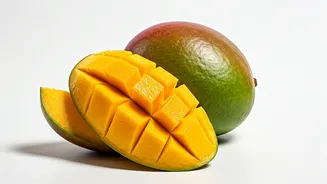
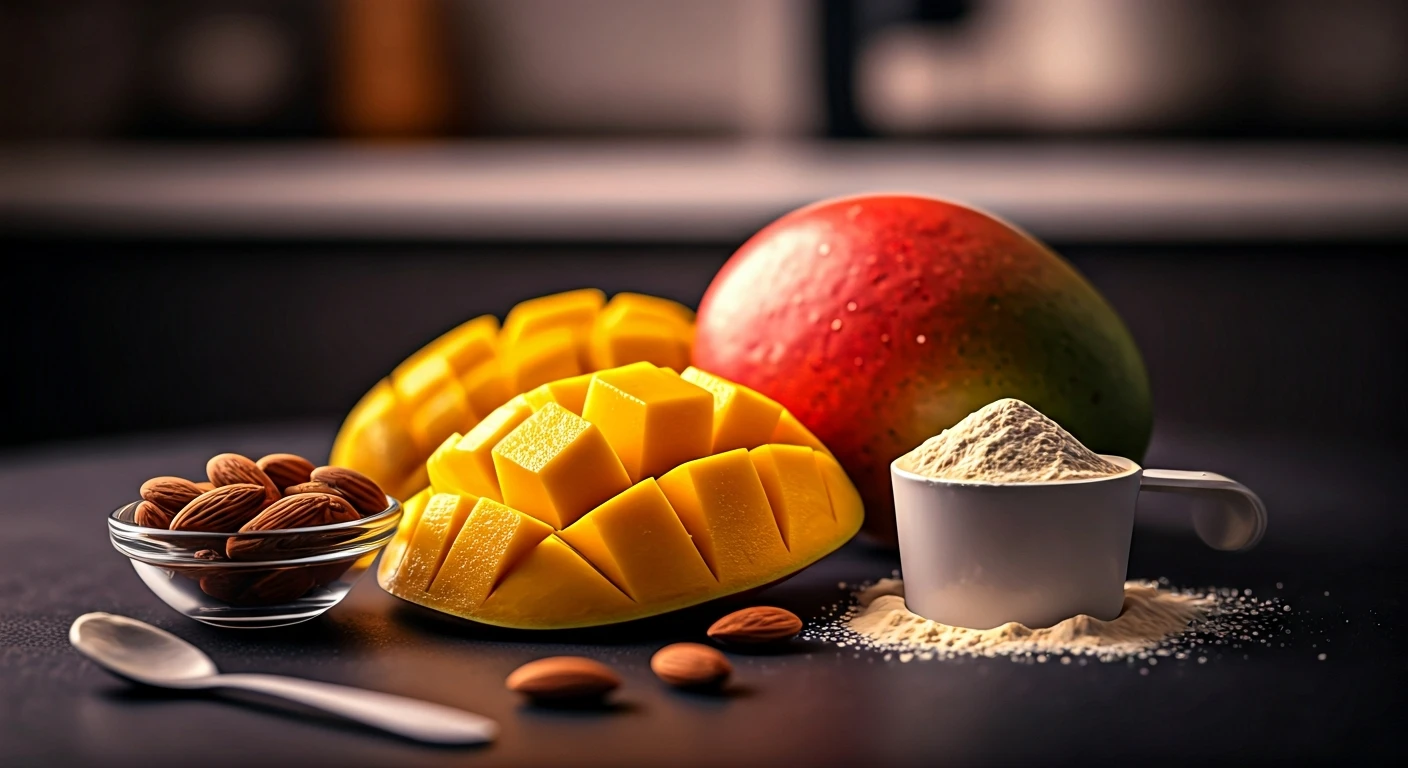
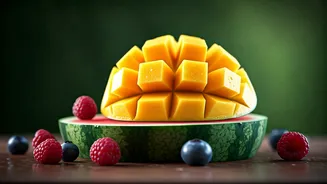
The single biggest difference between eating a mango and drinking its juice is fibre. When you bite into the luscious flesh of a ripe mango, you're consuming a significant amount of dietary fibre. This fibrous pulp is a nutritional hero. It slows down
digestion, which makes you feel full and satisfied for longer, helping prevent overeating. More importantly, it plays a crucial role in managing how your body processes sugar. Fibre acts like a brake, ensuring the natural sugars (fructose) in the fruit are released slowly into your bloodstream. This prevents the sharp spikes and subsequent crashes in blood sugar and energy levels. When a mango is juiced, especially commercially, this invaluable fibre is almost entirely stripped away. What you’re left with is a sweet liquid, but you've lost one of the fruit's most important health-regulating components.
A Concentrated Sugar Hit
Without fibre to buffer it, the sugar in mango juice hits your system all at once. Think about it: how many mangoes would you need to squeeze to get a full glass of juice? Two? Three? You would rarely eat three whole mangoes in one sitting, but it's easy to drink their equivalent in sugar in just a few minutes. This process of juicing effectively concentrates the sugar. While it's natural fruit sugar, your body doesn't discriminate much when it arrives in a large, rapid dose. This can lead to a sharp increase in blood sugar, prompting a strong insulin response. Over time, a diet high in such free sugars, even from fruit juice, can contribute to weight gain and increase the risk of metabolic issues. A whole mango, on the other hand, delivers its sweetness in a self-contained, perfectly balanced package that your body is better equipped to handle.
The Loss of Precious Nutrients
Mangoes are packed with vitamins, particularly Vitamin C and Vitamin A (as beta-carotene). However, many of these nutrients are delicate. They are sensitive to oxygen, light, and heat. The process of commercial juicing — which involves crushing, filtering, and often pasteurizing (heating to kill bacteria and extend shelf life) — can significantly degrade these vitamins. The moment a fruit is cut open and exposed to air, oxidation begins, reducing its nutritional potency. By the time it’s processed, packaged, shipped, and sits on a supermarket shelf, the juice in that carton may have a fraction of the vitamins found in a freshly sliced mango. Eating the whole fruit ensures you get the full, vibrant spectrum of nutrients as nature intended, in their most potent and bioavailable form.
An Experience, Not Just a Flavour
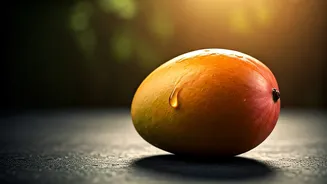
Beyond the science, let's talk about the soul of the matter. Eating a mango is a multi-sensory experience that a homogenous liquid can never replicate. It’s the ritual of choosing the perfect fruit, the feel of its smooth skin, the burst of aroma as you slice it open. It’s the complex texture of the flesh—soft, slightly fibrous, and dripping with juice. It’s the variation in taste, from the sweeter flesh near the skin to the slightly tart parts closer to the seed. This is the joy of eating. Drinking juice is a passive act of consumption; eating a mango is an active, joyful engagement with your food. It’s a cultural touchstone, a nostalgic memory, a moment of pure, unadulterated pleasure. You don't just taste a mango; you experience it. A carton of 'mango-flavoured' liquid is, at best, a faint echo of this profound experience.