


Smarter Habits in the Kitchen
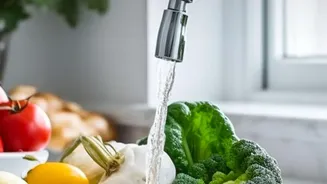
The kitchen is a hub of water usage, but a few tweaks to your cooking process can lead to significant savings. Instead of boiling vegetables, which uses a full pot of water, try steaming them. This method uses far less water and also helps retain more
nutrients in your food. When you do boil or rinse produce, don't let that water go down the drain. Collect it in a bowl and, once cooled, use it to water your houseplants or garden. Additionally, plan one-pot meals a few times a week. Not only does this simplify cooking, but it also drastically cuts down on the number of dishes you need to wash, saving water during cleanup. Another easy win is to thaw frozen food in the refrigerator overnight instead of under a running tap.
Rethinking Your Cleaning Routine
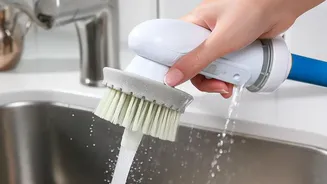
When it comes to cleaning, a running tap is the biggest culprit of water waste. For washing dishes by hand, the two-basin method is highly effective: fill one sink or basin with soapy water for scrubbing and another with clean water for rinsing. This uses significantly less water than letting the faucet run continuously. If you have a dishwasher, use it! Modern, energy-efficient dishwashers use less water than handwashing, especially when you only run them with a full load. A crucial tip is to scrape food scraps off plates instead of pre-rinsing them; today's dishwashers are powerful enough to handle it, and this habit alone can save a substantial amount of water per load.
Water-Wise Laundry Days
Your washing machine is another major water consumer, but smart habits can curb its thirst. The single most effective strategy is to only run full loads of laundry. This maximizes the efficiency of every cycle. If you must wash a smaller load, be sure to use the appropriate load-size setting on your machine if it has one. Consider if an item truly needs washing; lightly worn clothes and towels can often be used more than once before being laundered. Also, unless clothes are exceptionally soiled, skip the 'extra rinse' cycle. Modern detergents are designed to rinse clean without it, and avoiding this setting is an instant water-saver.
Nurturing a Water-Efficient Garden
In the garden, it’s not just about how much you water, but when and how. Watering in the early morning or late evening is best, as cooler temperatures mean less water is lost to evaporation. Applying a thick layer of mulch (around 5-10 cm) around your plants is a game-changer; it helps the soil retain moisture, reduces weed growth, and can cut your garden's water needs significantly. For targeted watering, choose a watering can or a soaker hose over a sprinkler, which can lose a lot of water to wind and evaporation. Finally, consider planting native or drought-tolerant species that are naturally adapted to your local climate and require less supplemental watering once established.