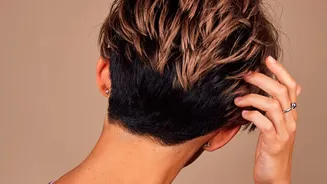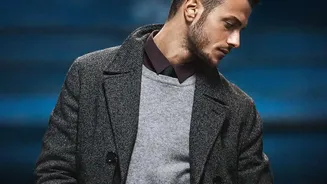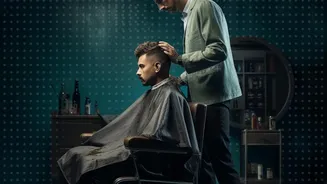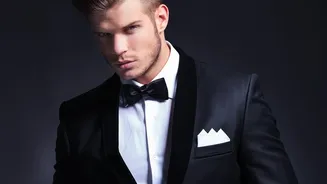




Bold, versatile, and undeniably sharp, the undercut remains one of the most popular and enduring hairstyles. It's a statement look that combines clean, short sides with a longer top, offering endless possibilities for personalisation.
What Is an Undercut?
At its core, an undercut
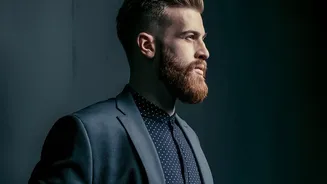
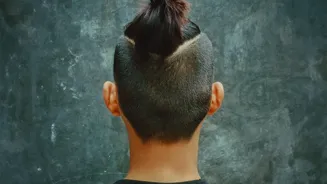
is a hairstyle defined by a sharp contrast: the hair on the top of the head is kept significantly longer, while the back and sides are clipped or shaved very short. Unlike a traditional fade, which gradually blends different lengths, a classic undercut features a clear, deliberate disconnection between the long and short sections. This creates a strong, structured silhouette. The style can be adapted for almost any hair type—straight, wavy, or curly—and can be customised in length to suit your personal taste. Its popularity stems from its practicality and versatility, removing bulk from thick hair and reducing styling time while making a confident statement.
The Key Types of Undercuts
The beauty of the undercut lies in its variations. The 'Disconnected Undercut' is perhaps the boldest, featuring a stark, unblended line between the short sides and the long top. This creates a dramatic, high-contrast look. For a softer, more contemporary feel, the 'Fade Undercut' incorporates a gradual taper on the sides, which can be low, mid, or high depending on how prominent you want the effect to be. Other popular styles are defined by how the top is worn, such as the 'Slick Back Undercut', a classic look with a vintage feel, and the 'Pompadour Undercut', which features a voluminous quiff on top for added height and drama.
Finding the Right Undercut for You
While the undercut is highly adaptable, certain variations work better for different face shapes. Men with round faces can benefit from styles that add height, like a pompadour, as the volume on top and tight sides help to elongate the face. Oval and square face shapes are well-suited to most undercut styles because of their balanced proportions. For those with longer or more oblong faces, it's best to avoid styles with excessive height and instead opt for a textured fringe or a side-swept look to create balance. It's always recommended to consult with your barber, who can assess your hair type and face shape to recommend the most flattering version of the cut for you.
Essential Styling Tips and Products
Styling an undercut focuses on the longer hair on top. For most looks, it’s best to start with damp, towel-dried hair. Applying a small amount of product is key; you can always add more if needed. A blow dryer is your best friend for creating volume and directing the hair. For a sleek, slicked-back look, a water-based pomade applied to damp hair provides strong hold and shine. For a more natural, textured finish with a matte look, a styling wax or clay is ideal, especially when applied to dry or nearly-dry hair. Simply work a small amount of product between your palms and apply it from the roots to the tips, shaping the hair with your fingers or a comb.
How to Maintain Your Look
The key to keeping an undercut looking sharp and precise is regular maintenance. Because the sides and back are so short, they grow out quickly. To maintain the clean lines and the intended contrast of the style, you'll need to visit your barber for a trim every two to four weeks. The exact frequency depends on how fast your hair grows and how crisp you want the lines to be. Letting the sides grow out too much can cause the style to lose its shape. Between cuts, proper styling will help maintain the look, but nothing replaces a regular clean-up from a professional to keep the haircut looking its best.