





The Rise of Road Trip Anxiety
For many, the monsoon season transforms travel plans into a game of chance. News of heavy rainfall triggering landslides and flash floods, particularly in hilly regions like Uttarakhand and Himachal Pradesh, has become a recurring theme. Reports from
early July 2026 show key pilgrimage and tourist routes, such as the Badrinath and Kedarnath highways, facing disruptions due to falling debris, leaving travellers stranded. Similar issues have been reported in the Northeast, with floods and landslides impacting road and even some rail infrastructure. This uncertainty creates significant travel anxiety; the fear of getting stuck in long traffic snarls, the risk of slippery roads, and the constant need to monitor weather updates can overshadow the excitement of a holiday.
The Train: A Calmer Alternative
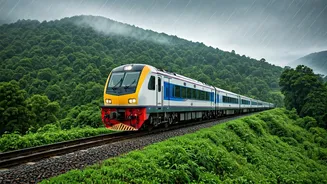
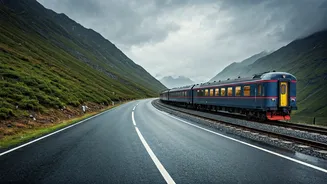
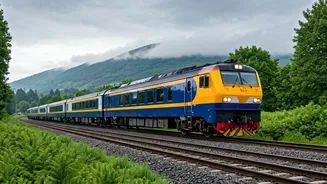
In this climate of uncertainty, train travel emerges as a remarkably resilient and stress-free option. While no mode of transport is entirely immune to extreme weather, Indian Railways has made significant strides in monsoon preparedness. Measures like cleaning culverts, waterproofing signals, and strengthening tracks in vulnerable areas are designed to ensure services remain as uninterrupted as possible. The result is a travel experience defined by predictability and peace of mind. Instead of gripping a steering wheel on a treacherous mountain road, you can relax in your seat, read a book, and watch the rain-washed countryside roll by. The journey becomes part of the vacation, not an obstacle to overcome.
A Window to Breathtaking Landscapes
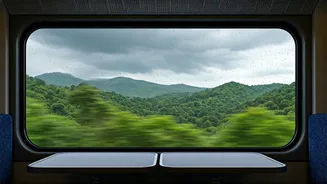
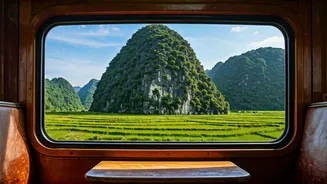
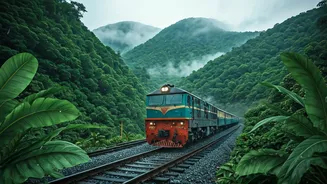
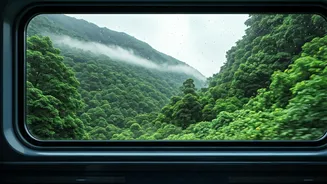
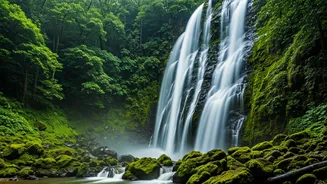
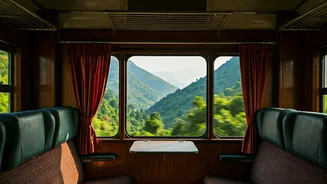
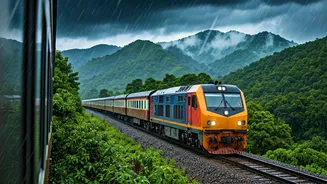
Beyond reliability, trains offer a front-row seat to India’s monsoon magnificence. The journey itself transforms into a scenic spectacle. Routes like the Konkan Railway from Mumbai to Goa become a vibrant panorama of lush greenery, gushing waterfalls, and dramatic, cloud-filled skies. Other iconic monsoon journeys, such as the Nilgiri Mountain Railway to Ooty or the heritage Kalka-Shimla line, offer magical views of misty mountains and verdant valleys that are simply inaccessible by car. Modern trains like the Vande Bharat are even equipped with large panoramic windows, designed to make the most of these stunning landscapes, offering a far more immersive experience than staring at the traffic ahead.
More Than Just a Ride
A train journey is a holistic experience that road travel can rarely match. It’s a chance to disconnect from the chaos of the road and reconnect with a slower, more mindful way of travelling. There’s a certain romance to the rhythmic chug of the wheels, the changing scenery, and the simple pleasure of sharing snacks with fellow passengers. You avoid the stress of navigation, the fatigue of driving, and the frustration of traffic jams. Instead, your energy is preserved for the destination itself. The journey offers a unique social tapestry and a sense of shared adventure, turning travel from a stressful task into a memorable part of your story.
Practical Perks of Choosing the Rails
The advantages of train travel extend beyond comfort and scenery. From a practical standpoint, it is often more cost-effective when you factor in fuel, tolls, and potential vehicle wear and tear. There’s no need to worry about finding safe parking or navigating congested city centres upon arrival. Trains are also a more environmentally friendly option, transporting a large number of people with a lower carbon footprint per passenger compared to cars. With generous baggage allowances and the freedom to move around, stretch your legs, or even take a nap, the train offers a level of convenience that makes the entire travel process smoother and far less taxing.