







The Philosophy of Grounded Living
Adopting a low-seat layout is more than a design trend; it's a shift in mindset. Rooted in traditions from Japan (think zaisu floor chairs) to the Middle East (majlis seating), this approach fosters a more intimate and relaxed atmosphere. By bringing
furniture closer to the ground, you create an illusion of higher ceilings and a more expansive room. The visual clutter of table and chair legs disappears, leaving clean, uninterrupted lines. This immediately makes a room feel larger and more serene. It encourages a different kind of interaction—a casual, communal, and grounded way of being in your own home. It’s an invitation to slow down, lounge, and connect with your space on a more personal level.
Choosing Your Low-Profile Foundation
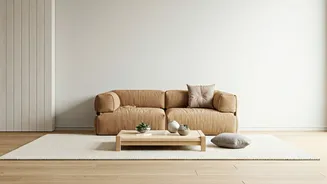
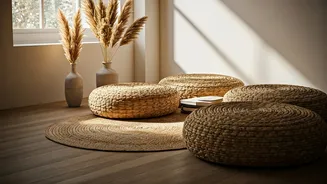
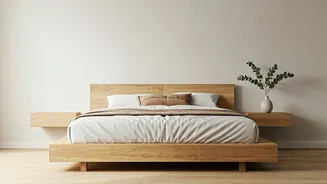
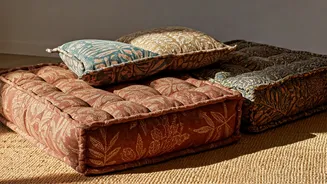
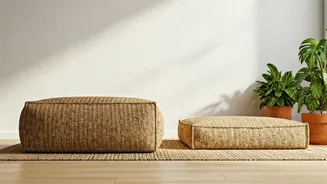
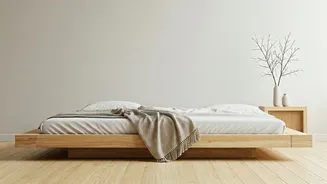
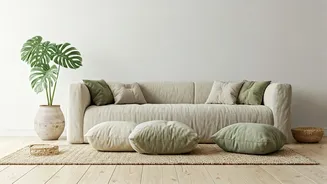
The centerpiece of this style is, of course, the seating. Look for low-profile sofas with deep seats and clean lines. Modular sectionals are particularly effective, as they offer flexibility and can be configured to suit any room. A simple platform bed in the bedroom achieves a similar effect, making the room feel like a sanctuary. But you don't need to replace all your furniture. Consider incorporating elements like daybeds, oversized floor cushions, or low-slung armchairs. Materials like light-toned wood, rattan, and cane complement this aesthetic, adding warmth and natural texture without overwhelming the space. The key is to select pieces that feel substantial yet don't dominate the room with their height.
The Magic of Organic Linens
Here’s where the sensory experience comes in. Organic linens are the perfect partner for a low-seating layout. Unlike crisp, formal fabrics, linen has an inherent softness and a beautiful, lived-in quality. Its natural crumples and texture add a layer of effortless elegance and visual interest, preventing the minimalist look from feeling cold or sterile. Organic linen is also highly breathable, making it comfortable in any season. It’s durable, hypoallergenic, and becomes softer with every wash. Use it generously: for sofa covers, throw pillows, curtains, and bedding. The subtle, earthy tones often found in natural linen—from oatmeal to soft grey and muted greens—perfectly complement the grounded, calming vibe you’re aiming to create.
Layering for Comfort and Function
One common concern with low seating is comfort. This is where strategic layering becomes crucial. Start with a large, plush rug to define the seating area and provide a soft foundation. A high-pile or shag rug can add luxurious texture underfoot. Next, layer on the pillows. Don't be shy; mix and match different sizes, shapes, and textures. Large floor pillows and sturdy poufs can serve as extra, flexible seating or as comfortable footrests. Finally, drape soft throws over the sofa and chairs. These layers not only guarantee comfort for you and your guests but also add depth and personality to the room, making it feel inviting and complete.
Accessorizing Without Adding Clutter
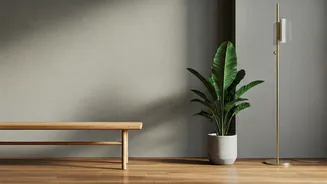
With the foundation in place, the final step is to accessorize thoughtfully. Since the furniture is low, your other decor should follow suit. Opt for a low, expansive coffee table—a simple wooden plank or a cluster of smaller tables works well. When it comes to lighting, choose floor lamps with low-hanging shades or minimalist table lamps placed on low side tables. The goal is to keep the visual focal point in the lower half of the room. Incorporate natural elements like large, leafy plants in simple pots, a vase with dried branches, or a bowl of smooth stones. Keep wall art simple and intentional. By maintaining this horizontal emphasis, you reinforce the sense of openness and prevent the space from feeling cluttered.