




First Things First: Passport and Visas
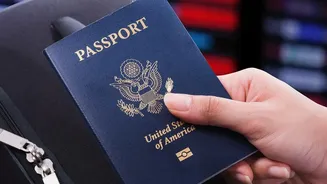
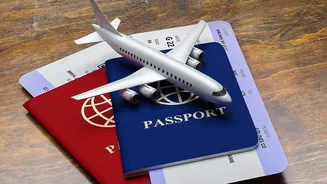
Before you book anything, check your passport. Many countries require it to be valid for at least six months beyond your planned return date. If you don't have a passport, apply for one months in advance, as processing times can be lengthy. Once your passport is
sorted, research your destination's visa requirements. Some countries allow visa-free entry for short stays, while others require you to apply for a visa online or at an embassy. Always check the official embassy website for the most accurate information. Make digital and physical copies of your passport, visa, and other important documents to keep in separate places.
Set a Budget, Choose a Destination
Your budget will guide most of your travel decisions. Start by creating a realistic financial plan that covers flights, accommodation, food, activities, and a buffer for unexpected costs. Once you have a number in mind, you can choose a destination that fits your travel style and budget. For a first trip, consider places with good tourism infrastructure and easy public transport. Being flexible with your travel dates can also lead to significant savings, as flying mid-week is often cheaper than on weekends.
Booking Flights and Accommodation
For the best prices, aim to book flights two to four months in advance. Use flight comparison sites to search for deals, but also check the airlines' own websites. Booking a flight and hotel package can sometimes offer hidden discounts. When choosing a place to stay, consider the location, amenities, and reviews from other travelers. Booking your first couple of nights before you leave provides peace of mind, allowing you to settle in before deciding on the rest of your trip.
Managing Money Abroad
Before you leave, notify your bank and credit card companies of your travel plans to prevent them from freezing your accounts due to suspicious foreign activity. It's wise to carry at least two different payment methods, such as a credit card and a debit card, and keep them in separate places. While using a card with no foreign transaction fees is often best for purchases, it’s also a good idea to arrive with a small amount of local currency for immediate needs like taxis or tips. Avoid exchanging large amounts of money at airport kiosks, which typically have poor rates.
Health, Safety, and Insurance
Travel insurance is highly recommended for international trips, as it can cover everything from medical emergencies to trip cancellations and lost luggage. Compare different plans to find one that suits your needs, considering the activities you have planned. Some adventure sports may require additional coverage. It is also smart to consult your doctor or a travel clinic 4-6 weeks before your trip to check for any required vaccinations or health precautions. Pack a small first-aid kit with essentials like painkillers, plasters, and any personal prescription medications in their original packaging.
Packing Smart for Your Trip
The golden rule of packing is to bring less than you think you need. Start with a checklist to avoid forgetting essentials. Pack versatile clothing that can be layered. Even in warm climates, a sweater or light jacket is useful for air-conditioned spaces. Keep all your critical items in your carry-on luggage: passport, travel documents, medications, chargers, a change of clothes, and any valuables. A reusable water bottle is also a great addition; you can fill it up after passing through airport security.