



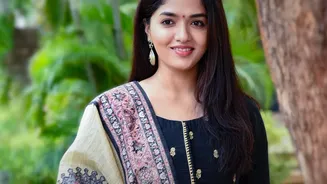
More Than Just a Saree
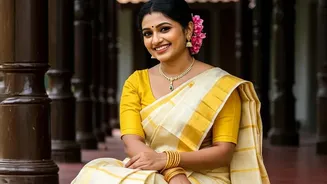
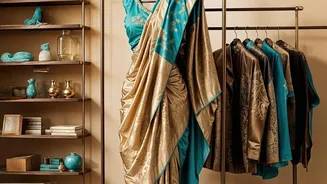
For generations, Indian handloom was often synonymous with occasion wear, primarily the saree, lovingly stored for weddings and festivals. While the saree remains an icon of elegance, the current revival is about something more: versatility. The new style
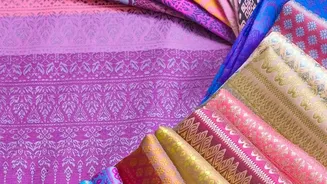
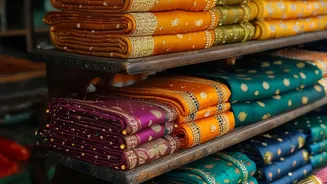
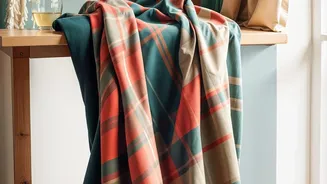
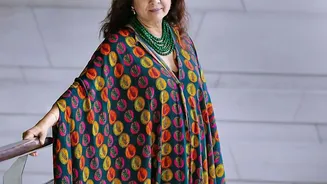
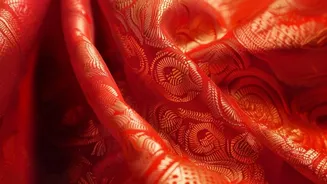
mantra is about integrating these exquisite, handcrafted textiles into the everyday. Designers are transforming fabrics like Jamdani, Khadi, and Banarasi silk into dresses, co-ord sets, stylish jackets, and even shoes. This shift is recontextualizing handloom, moving it from a cherished heirloom to a vibrant, living part of the modern Indian wardrobe, proving its adaptability beyond traditional silhouettes.
The Rise of the Conscious Consumer
So, what's driving this change? A major factor is a new generation of consumers who are asking for more from their clothes. In a world saturated with fast fashion, there is a growing desire for authenticity, sustainability, and a connection to cultural roots. Handloom production, which uses minimal electricity and often employs natural fibres and dyes, is the antithesis of mass production. Each handwoven piece tells a story of artisanal skill passed down through generations. This narrative resonates deeply with younger, eco-conscious buyers who want their purchases to have meaning and a positive impact, supporting local economies and preserving heritage.
Designers as Modern Storytellers
Visionary designers are acting as crucial bridges between the weavers and the market. Pioneers like Ritu Kumar have long championed the revival of traditional crafts, but a new wave of contemporary designers is now reinterpreting these textiles for a global audience. They collaborate directly with weaving clusters across India, from Varanasi to Odisha, blending age-old techniques with modern aesthetics. By experimenting with lighter weaves, contemporary colour palettes, and innovative silhouettes, they make fabrics like Banarasi silk or Tangkhul Naga textiles feel fresh and relevant for today. This partnership ensures that ancient crafts are not just preserved, but are also evolving.
The Social Media Weave
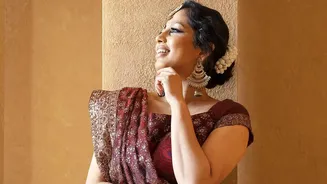
The handloom revival has been powerfully amplified by social media. Platforms like Instagram have become digital galleries, allowing designers and artisanal brands to showcase their work to a global audience. Influencers play a significant role, demonstrating how to style a handloom piece in a modern way, whether it's pairing a Kalamkari blouse with jeans or belting a handwoven saree for a chic look. This visual, accessible approach has demystified handloom for many, inspiring a new generation to experiment and embrace these textiles as a form of self-expression.
How to Wear Handloom Now
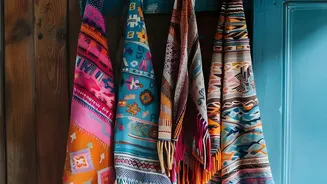
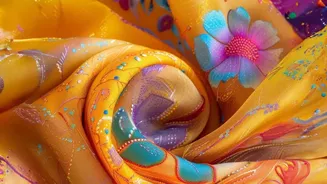
Incorporating handloom into your wardrobe is easier than ever. Start small with a statement piece. An Ikat scarf or a Bandhani dupatta can add a vibrant touch to a simple outfit. For a bolder look, try a handloom jacket over a dress or a pair of trousers. Another modern approach is to play with fusion wear, like pairing a rich brocade skirt with a simple white shirt or draping a saree over tailored pants. The key is to let the textile shine. When you wear handloom, you're not just wearing a garment; you're wearing a piece of art with a rich history.