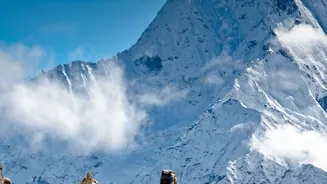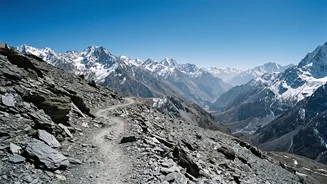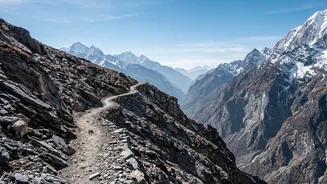







A high-stakes Himalayan rescue of Indian trekkers has ended not just in relief, but in repercussions. Nepal's decision to penalise the hikers sends a stark warning to adventurers who bypass safety rules in pursuit of a thrill.
A Perilous Unauthorised Trek
Details have emerged about
a recent incident where a group of Indian nationals had to be rescued from a high-altitude area in the Himalayas. According to reports from tourism officials in Kathmandu, the trekkers had ventured into a restricted zone without the mandatory permits and, crucially, without a registered local guide. The group reportedly ran into severe weather and exhaustion, finding themselves trapped and unable to descend safely, which prompted a desperate call for help. This is a scenario that plays out with alarming frequency, straining local resources and putting both rescuers and the unprepared tourists in grave danger.
The Response: Rescue and Repercussion
An emergency helicopter mission was launched to retrieve the stranded hikers. While the rescue was successful, the aftermath marks a significant shift in how Nepalese authorities are handling such cases. Instead of a simple warning, the government has imposed penalties on the group. This action is part of a broader crackdown on illegal trekking, which has become a major concern for the country's tourism and safety management bodies. The penalties serve as a clear message: the adventure comes with responsibilities, and ignoring them will have financial and administrative consequences. This is a departure from past instances where rescued trekkers often faced little more than a stern lecture.
Why Nepal Is Enforcing Stricter Rules
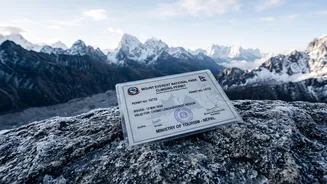
For years, Nepal has been grappling with the consequences of solo and unguided trekking. While it attracts adventure seekers, it also leads to a higher number of disappearances, accidents, and costly rescue operations. Officials state that many tourists, often influenced by social media, underestimate the volatility of the Himalayan environment. They venture off marked trails, ignore weather warnings, and lack proper acclimatisation, leading to preventable tragedies. To combat this, Nepal recently made it mandatory for all foreign trekkers to hire a licensed guide and obtain a Trekker's Information Management System (TIMS) card before embarking on most routes. The latest incident involving the Indian trekkers is being used as a case study to demonstrate the enforcement of these critical regulations.
Know Before You Go: A New Era for Trekkers
The message for aspiring Himalayan adventurers from India and beyond is unequivocal: planning and compliance are no longer optional. The mandatory guide rule ensures that trekkers are accompanied by a professional who understands the terrain, weather patterns, and emergency protocols. It also creates employment for local communities, making tourism more sustainable. The TIMS card helps authorities keep track of trekkers in the vast mountain ranges, making it easier to locate them in an emergency. Attempting to bypass these rules not only invalidates your travel insurance but, as this incident shows, can also lead to official penalties, including fines and potential bans from entering the country for future expeditions.
The Responsibility of an Adventurer
This incident underscores a fundamental truth about adventure travel. The allure of the mountains is powerful, but it comes with an inherent responsibility to the local environment, the local communities, and most importantly, to oneself. Preparation is key. This includes physical conditioning, proper gear, comprehensive travel insurance that covers emergency evacuation, and a thorough understanding of the regulations of the host country. Hiring a local guide is not just about following a rule; it's about gaining invaluable knowledge, ensuring safety, and contributing to the local economy that makes such journeys possible. The romantic idea of a solo conquest of the Himalayas is being replaced by a more mature and responsible approach to tourism.