




1. The Perfect Roast: Deeply Sweet and Caramelized
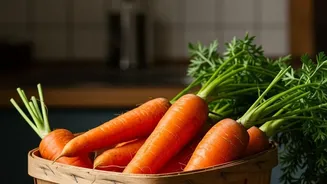
Roasting is perhaps the most effective way to unlock the carrot’s hidden depths. High, dry heat transforms the vegetable, caramelizing its natural sugars and intensifying its flavour into something rich, nutty, and profoundly sweet. The technique is simple
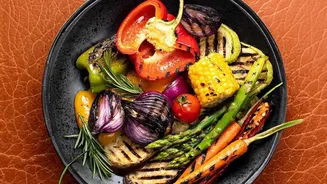
but requires a few key details for perfection. Start by cutting your carrots into uniform pieces—diagonally cut chunks about two inches long work well—to ensure even cooking. Toss them generously with olive oil, salt, and pepper. The most crucial step is to spread them in a single layer on a hot baking sheet; overcrowding will cause the carrots to steam rather than roast, leaving them soft but pale. Roast in a hot oven, around 400-425°F, for 25-30 minutes, flipping them halfway through. They’re done when they are tender all the way through and boast beautifully browned, caramelized edges. For an extra layer of flavour, you can add minced garlic or fresh thyme during the last 10 minutes of cooking.
2. The Stovetop Glaze: A Quick and Elegant Side
For a side dish that feels elegant yet comes together in minutes, a simple stovetop glaze is the answer. This method cooks the carrots until tender while coating them in a glossy, flavourful sauce. There are several ways to achieve a perfect glaze. One popular technique involves simmering sliced carrots in a skillet with butter, a sweetener like brown sugar or honey, and a little water. As the water evaporates, the butter and sugar reduce to form a beautiful glaze that clings to each piece. For an even richer flavour, some methods suggest par-boiling the carrots first until they are almost tender, then transferring them to a hot pan with melted butter and honey, swirling until they are perfectly coated. This approach gives you more control over the final texture. To balance the sweetness, a splash of orange juice or a bit of fresh ginger can be added. Finish with a sprinkle of fresh parsley for a pop of colour and freshness.
3. The Silky Soup: Creamy, Comforting, and Vibrant
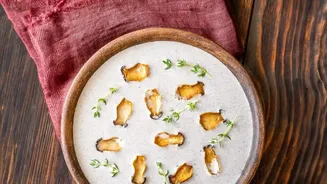
Transforming carrots into a velvety soup is a fantastic way to enjoy their flavour in a comforting new form. The process generally starts by sweating chopped carrots with aromatics like onion and garlic in butter or oil. This builds a foundational layer of flavour. Some recipes also incorporate other vegetables like celery or spices such as cumin, ginger, or a pinch of cayenne for warmth. After the vegetables have softened, they are simmered in vegetable or chicken broth until the carrots are completely tender. The final, crucial step is blending. An immersion blender used directly in the pot makes this easy, but a standard blender also works well—just be sure to let the soup cool slightly first. For an extra-luxurious texture, a swirl of heavy cream or coconut milk can be stirred in at the end, though it’s often rich enough without it. The result is a vibrant, smooth soup that is both nourishing and deeply satisfying.
4. The Raw Salad: Bright, Crisp, and Refreshing
While cooking carrots brings out their sweetness, eating them raw highlights their crisp texture and fresh, earthy taste. A shredded carrot salad is a simple, no-cook option that is endlessly adaptable. The classic French version, 'carottes râpées', typically involves tossing finely grated carrots in a simple lemon-dijon vinaigrette. To make it, you'll need shredded carrots—using a food processor or the large holes of a box grater provides the best texture. For the dressing, whisk together fresh lemon juice, olive oil, a touch of Dijon mustard, and a little honey or maple syrup for balance. Toss everything together with fresh herbs like parsley or chives. From there, the variations are limitless. You can add raisins or dried cranberries for chewiness, toasted pecans or pumpkin seeds for crunch, or feta cheese for a salty counterpoint. It’s a refreshing side that provides a welcome contrast to heavier dishes.
5. The Unexpected Dessert: Spiced, Moist, and Sweet
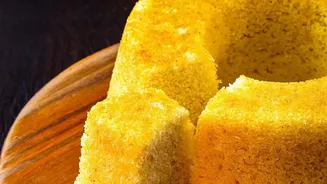
Yes, carrots belong in dessert. For centuries, their natural sweetness and moisture have made them a key ingredient in cakes and other baked goods, especially when other sweeteners were scarce. The most famous example is, of course, carrot cake. Grated carrots disappear into the batter, creating an incredibly moist and tender crumb that pairs perfectly with warm spices like cinnamon, nutmeg, and cloves. But the possibilities don't end with a traditional layer cake. The same flavour profile can be adapted into countless other forms, such as carrot cake bars with a cream cheese swirl, breakfast cookies, muffins, or even baked doughnuts. More creative takes include carrot cake-inspired smoothies, energy balls, or even a poke cake infused with caramel. These desserts showcase the carrot's ability to provide texture, moisture, and a subtle sweetness that enhances everything around it, proving its versatility extends far beyond the savoury.