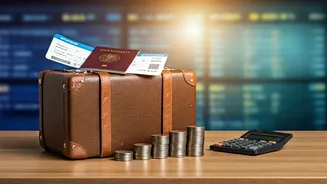









The Unbundling of Travel
It’s not your imagination: the final price of a trip rarely matches the one you first see. Airlines, hotels, and even entire cities have embraced 'drip pricing,' where a low initial price is slowly inflated with mandatory charges. This unbundling is a core
business strategy. For airlines, it means advertising a basic fare and adding fees for checked bags, carry-ons, and seat selection. For hotels, it's the notorious 'resort fee'—also known as a destination or amenity fee—that gets added to your nightly rate for access to things like Wi-Fi or the pool, whether you use them or not. While recent regulations in some areas require these fees to be shown more transparently, they haven't been eliminated. The average U.S. resort fee was about $38 per night in May 2026, and can exceed $50 in cities like Las Vegas.
Navigating Airline Add-Ons
The cost of just getting there has become a minefield of extra charges. Soaring fuel costs in 2026 have already pushed airfares up significantly, with U.S. domestic prices seeing a sharp increase. On top of that, airlines are leaning heavily on ancillary fees. Several major carriers increased checked bag fees for tickets purchased in the spring of 2026. Even carry-on bags now come with a fee on many Basic Economy tickets. The key to managing this is planning ahead. Paying for bags online is almost always cheaper than at the airport counter or, worse, at the gate. If you don’t have a strong preference for where you sit, skipping paid seat selection can save a surprising amount, as airlines will assign you a seat for free at check-in. Lastly, read the fine print on budget carriers, where fees for printing a boarding pass at the airport can still be a costly surprise.
Decoding Hotel 'Junk' Fees
The price you book a hotel room for is often not the final price you pay. Mandatory resort or destination fees continue to be a major source of frustration for travelers, adding a significant amount to the final bill. While a 2025 FTC rule mandated that these fees be included in the upfront total price, their implementation varies across booking sites, and taxes are still added at the end. The best defense is to always sort search results by 'total price' instead of the default 'nightly rate' to get a true comparison. Frequent travelers are also relying more on hotel loyalty programs, as elite status can sometimes lead to waived fees, especially on award stays with chains like Hilton and Hyatt. Another strategy is choosing independent or boutique hotels, which are less likely to charge these mandatory fees.
The Tourist Tax Creep
It's not just companies adding fees; it’s the destinations themselves. In an effort to combat overtourism and raise funds for infrastructure, many popular cities and countries have introduced or increased tourist taxes in 2026. For instance, Edinburgh is set to introduce a 5% accommodation tax in July 2026. Amsterdam and Barcelona have also increased their tourist levies, adding a noticeable amount to a multi-night stay. In Japan, Kyoto hiked its overnight tax significantly, with the highest increases impacting luxury hotel stays. These fees are typically collected with your hotel bill and are now a standard part of budgeting for trips to many global hotspots, including Venice, which charges a day-tripper access fee on peak days. These costs add up, especially for families, and are rarely included in the initial flight or hotel prices you see on search engines.
Your New Travel Playbook
Traveling in this new era doesn't have to mean breaking the bank, but it does require a more 'adult' approach. The first step is meticulous budgeting, accounting for not just flights and hotels but also potential baggage fees, resort fees, and local tourist taxes. Use booking sites' 'total price' filters and read the final confirmation screen carefully before paying. Travel-focused credit cards can be a huge asset, offering perks like free checked bags or no foreign transaction fees. For currency exchange, avoid airport kiosks and use ATMs or a travel-friendly card for better rates. Ultimately, this new landscape rewards travelers who are diligent, read the fine print, and plan for the total cost, not just the advertised one. It’s a shift from spontaneous booking to strategic planning, ensuring your trip is memorable for the right reasons, not for the surprise costs.