

The Lithium Bottleneck
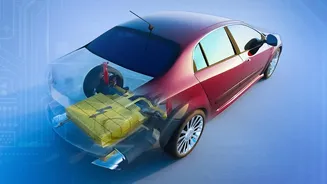
For years, the electric vehicle revolution has run on lithium-ion batteries. They power everything from our smartphones to premium electric cars. However, this dominance has a downside, especially for India. The core materials, like lithium and cobalt,
are scarce and expensive. India imports the vast majority of its lithium, creating a heavy dependence on a fragile global supply chain often influenced by a few countries, like China. This reliance not only creates strategic vulnerabilities but also keeps prices high. The battery pack alone can account for 40% to 50% of an EV's total cost, a major factor keeping electric cars and scooters out of reach for many Indian households.
Sodium-Ion: The Abundant Alternative
Sodium-ion technology offers a powerful and practical solution. Its core ingredient, sodium, is one of the most abundant elements on Earth, easily and cheaply sourced from materials like soda ash or even common sea salt. Unlike lithium, whose price can be volatile, sodium is incredibly stable and far cheaper. This fundamentally changes the cost equation. Estimates suggest the raw material costs for sodium-ion cells are 15% to 40% lower than their lithium-ion counterparts. This is not just a theoretical advantage; major global manufacturers predict that by the end of 2026, the cost of sodium-ion batteries will match that of the widely used Lithium Iron Phosphate (LFP) batteries.
More Than Just a Price Drop
The benefits of sodium-ion technology go far beyond the initial sticker price. These batteries are considered inherently safer, with a much lower risk of fire from thermal runaway, a key concern for EV buyers. They also perform significantly better in India's diverse and often extreme climate, showing greater resilience in both intense heat and cold weather. Furthermore, developers have demonstrated impressive durability, with prototypes capable of lasting for 3,000 to 6,000 charge cycles, and have showcased potential for ultra-fast charging. While they currently have a slightly lower energy density—meaning they might offer a shorter range than premium lithium-ion packs—they are perfectly suited for the urban mobility segment, including scooters, three-wheelers, and entry-level cars where extreme range is less critical than affordability and safety.
India's 'Atmanirbhar' Push
This technological shift aligns perfectly with India's national mission of 'Aatmanirbhar Bharat' (self-reliant India). Several Indian companies are aggressively stepping up to build a domestic ecosystem. Reliance Industries has made a significant bet by acquiring UK-based sodium-ion leader Faradion and is constructing a massive battery giga-factory in Jamnagar, with production slated to begin in 2026. Simultaneously, Pune-based KPIT Technologies has developed its own sodium-ion technology, which is being commercialised by Trentar Energy Solutions through a new manufacturing plant. Innovative startups like Indi Energy are even creating battery components from agricultural waste, turning a pollution problem into a sustainable solution. This homegrown manufacturing push promises to reduce import dependency and create a resilient local supply chain.
When Will We See These Cheaper EVs?
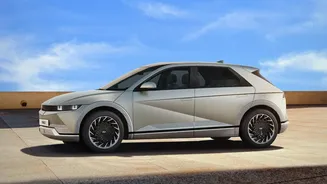
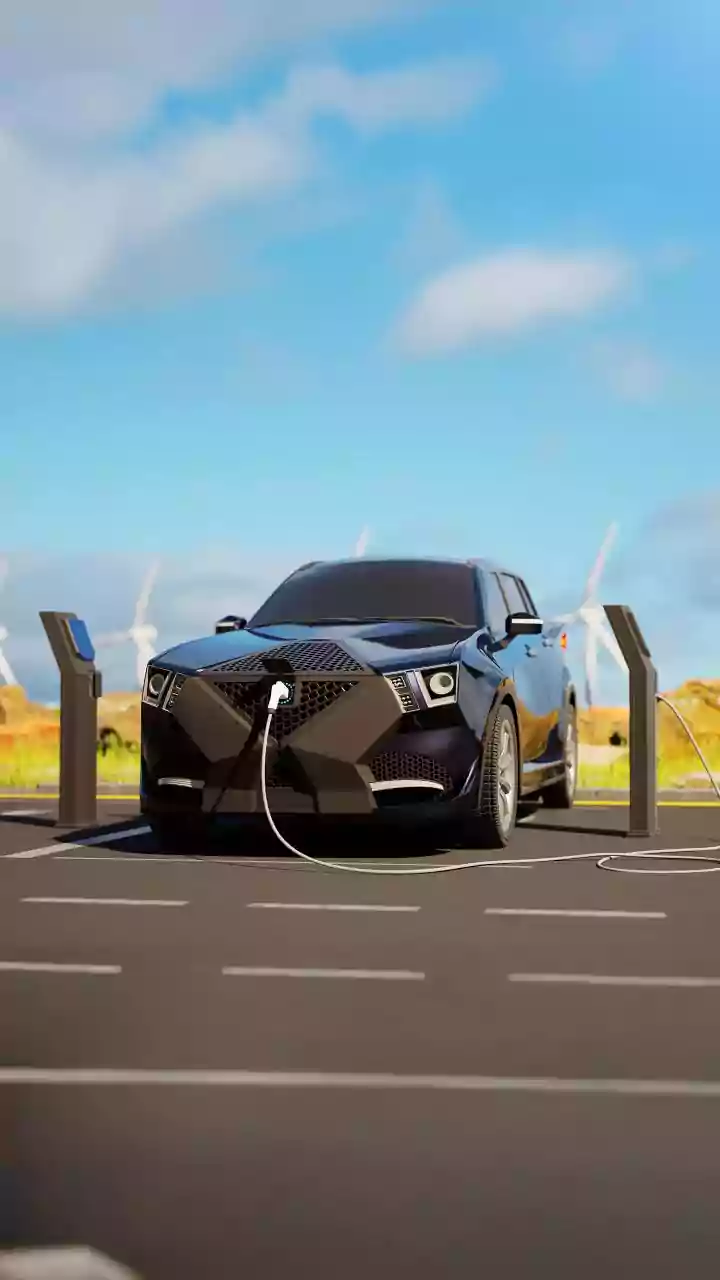
The transition is no longer a distant dream. While the price cuts are not yet reflected in showrooms across the country, 2026 is shaping up to be a pivotal year. The first wave of affordable, sodium-ion-powered electric two-wheelers is expected to hit Indian roads within the year. With major players like Reliance aiming to start production at their giga-factories in the same timeframe, the availability of these cheaper batteries will soon allow car and scooter manufacturers to pass the savings on to consumers. The primary impact will be on the entry-level segment, which is the largest part of the Indian auto market. This move could finally trigger the mass adoption of EVs that the country has been waiting for.