




1. Chia Seeds: The Fibre Powerhouse
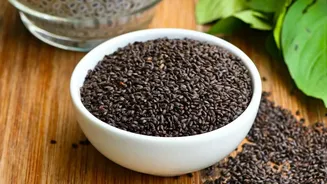
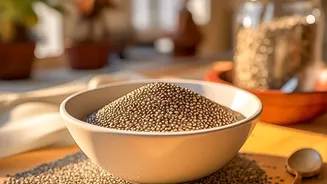
Chia seeds are renowned for their ability to absorb liquid and form a gel, which helps you feel full for longer. This gel-forming action, caused by their high soluble fibre content, also slows down digestion and the absorption of sugar into the bloodstream.
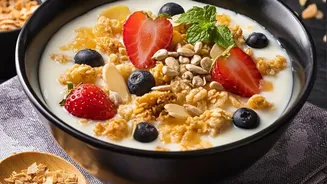
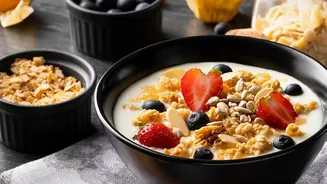
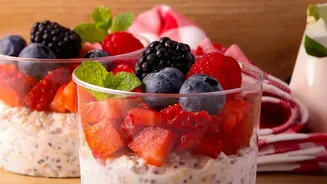
This process helps prevent the sharp spikes and subsequent crashes in blood sugar that can trigger hunger. Two tablespoons contain about 10 grams of fibre and 5 grams of protein, making them a nutritional heavyweight for appetite control. Their low glycemic index means they have a minimal impact on blood glucose levels. Simply stir them into yoghurt, blend them into smoothies, or make a simple chia pudding for a satisfying snack.
2. Flaxseeds: Rich in Omega-3s and Lignans
Flaxseeds are another excellent choice for managing hunger and blood sugar. They are packed with soluble fibre, which promotes a feeling of fullness and slows digestion. This helps stabilise blood glucose levels and prevent sudden hunger pangs. Flaxseeds are also a top plant-based source of alpha-linolenic acid (ALA), an omega-3 fatty acid that may improve insulin sensitivity and reduce inflammation. Additionally, they contain compounds called lignans, which have antioxidant properties and may support blood sugar control. For the best nutritional benefit, it's recommended to consume flaxseeds in ground form, as whole seeds can pass through the digestive system unabsorbed. Add a spoonful of ground flax to oatmeal, baked goods, or protein shakes.
3. Pumpkin Seeds: The Magnesium Boost
Often called pepitas, pumpkin seeds are a delicious and nutrient-dense snack. They are an exceptional source of magnesium, a mineral that plays a crucial role in glucose metabolism and insulin function. Many people with type 2 diabetes have lower magnesium levels, making pumpkin seeds a particularly beneficial food. The combination of protein, healthy fats, and fibre in pumpkin seeds helps provide stable energy without causing glucose spikes, which in turn reduces hunger and cravings. Their very low glycemic index makes them an ideal snack for maintaining steady blood sugar. Enjoy a small handful raw or roasted, but opt for unsalted varieties to manage sodium intake.
4. Sunflower Seeds: Full of Healthy Fats and Vitamin E
Sunflower seeds are a satisfying snack that can easily fit into a diabetes-friendly diet. Their combination of protein, fibre, and healthy fats contributes to satiety, helping to keep hunger at bay between meals. They have a low glycemic index, which means they release energy slowly and help prevent sudden blood sugar spikes. Sunflower seeds are also rich in vitamin E, an antioxidant with anti_inflammatory properties, and contain a plant compound called chlorogenic acid, which may help moderate blood sugar. Like pumpkin seeds, a small, unsalted handful makes for a convenient and effective snack to manage mid_morning cravings.
5. Hemp Seeds: A Complete Protein Source
Hemp seeds, or hemp hearts, are notable for being a complete protein source, containing all nine essential amino acids. Protein is excellent for promoting satiety and, by slowing digestion, helps to stabilise blood sugar levels. Rich in both soluble and insoluble fibre, hemp seeds further aid in slowing carbohydrate absorption and keeping you feeling full longer. They have a very low carbohydrate content and a glycemic index of virtually zero, meaning they have a minimal effect on blood sugar. Their balanced ratio of omega_6 to omega_3 fatty acids may also help manage inflammation. Sprinkle hemp seeds on salads, yoghurts, or blend them into smoothies for a nutty flavour and a powerful nutritional punch.