
The End of an Era, The Dawn of Another
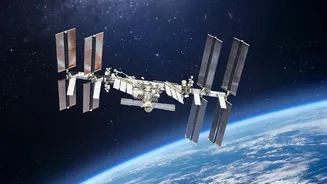
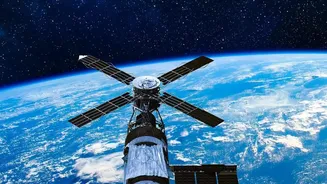
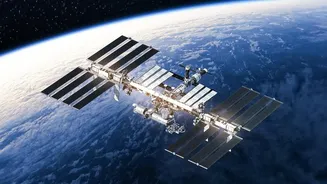
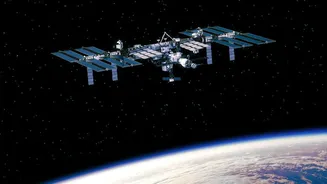
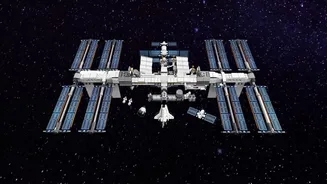
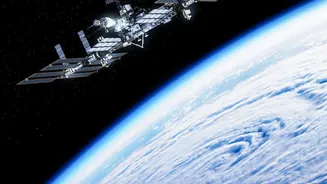
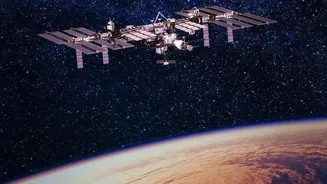
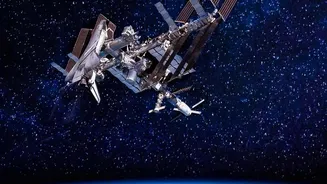
The ISS, a marvel of international collaboration, is aging. After more than a quarter-century of continuous human presence and groundbreaking science, NASA and its partners are preparing to deorbit the 450,000 kg structure into a remote part of the Pacific
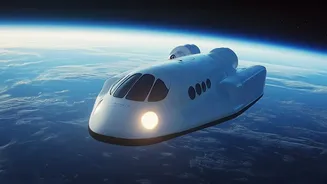
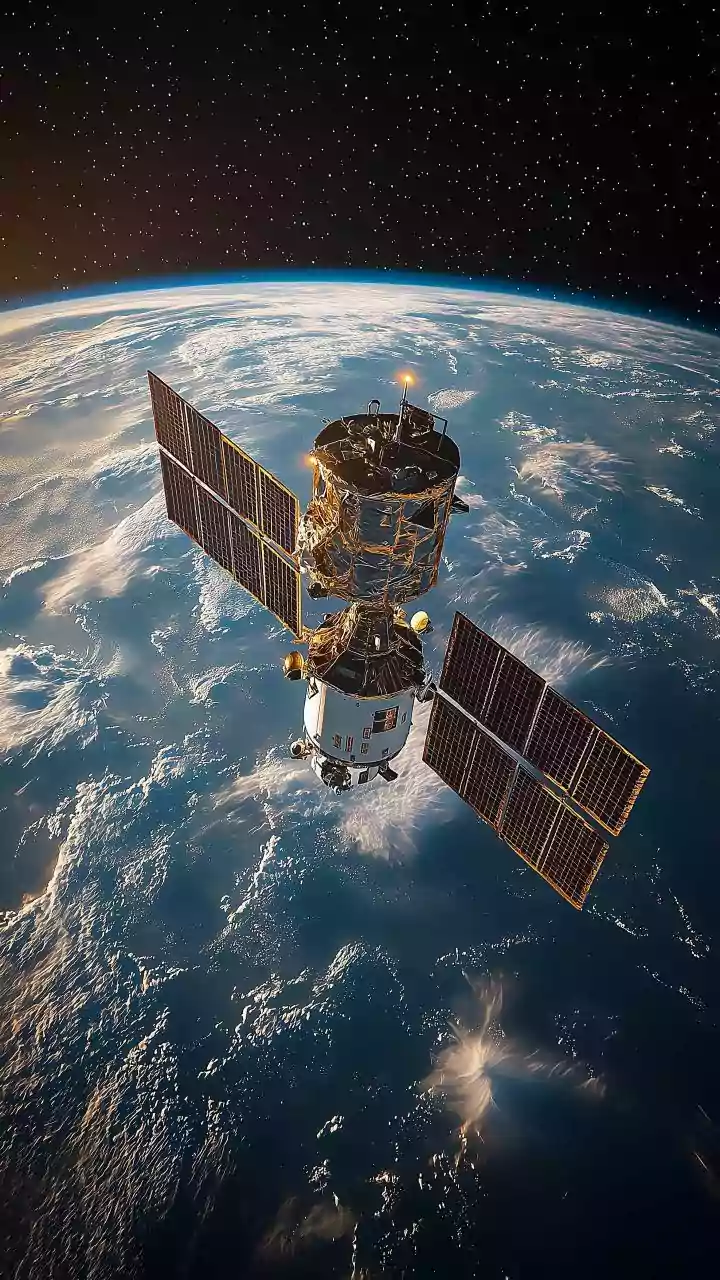
Ocean around 2030-2031. The decision stems from structural fatigue and rising maintenance costs, which amount to nearly $3 billion annually for NASA alone. But this conclusion is not an end for human activity in low-Earth orbit (LEO). Instead, it marks a pivotal transition. NASA is shifting from being the owner and operator of an orbital laboratory to becoming a customer for services provided by a new fleet of commercial space stations.
NASA’s New Role: From Landlord to Tenant
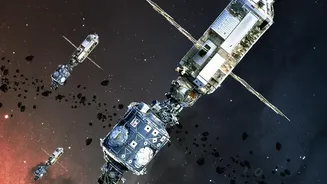
To ensure there is no gap in American presence in LEO, NASA initiated the Commercial LEO Destinations (CLD) program. The strategy is to foster a competitive commercial market for space habitats. Rather than spending billions to build a successor, NASA is seeding the industry with development funds, with private companies expected to cover the majority of the costs. In 2021, the agency awarded a combined $415 million to three teams led by Blue Origin, Voyager Space (with its Starlab concept), and Northrop Grumman to mature their free-flying station designs. This move mirrors the successful Commercial Crew program that enlisted SpaceX and Boeing to ferry astronauts to the ISS, fundamentally changing the economics of space travel.
Axiom Space: Building on the ISS Foundation
One of the most advanced players is Houston-based Axiom Space. Their strategy begins by first attaching their own modules to the ISS. The first module, Hab One, is scheduled for launch as early as 2026. It will be followed by a second habitat module and a research and manufacturing facility. These modules will form a new, modern segment of the station. When the time comes for the ISS to be retired, the Axiom segment will detach and become a fully independent, free-flying commercial space station. Axiom has already conducted several private astronaut missions to the ISS, demonstrating its operational capabilities and building a customer base for its future station. The company envisions a thriving orbital platform for everything from scientific research to in-space manufacturing.
Orbital Reef and Inflatable Habitats
Another major contender is the Orbital Reef project, a joint venture between Jeff Bezos' Blue Origin and Sierra Space. Described as a "mixed-use business park in space," it's designed to host a diverse range of clients, including researchers, manufacturers, and space tourists. A key innovation for this project is Sierra Space's Large Integrated Flexible Environment (LIFE) habitat. These inflatable modules launch in a compressed form and are then expanded in orbit, offering enormous interior volume for their mass. Sierra Space has conducted successful burst pressure tests on the ground, proving the technology's robustness and exceeding NASA's safety requirements. The company is even proposing a pathfinder mission for a standalone LIFE module as soon as late 2026 before it becomes part of the larger Orbital Reef.
A New Frontier for Research and Business
These next-generation stations promise to be more than just science labs. While microgravity research will remain a key focus—enabling breakthroughs in medicine like bio-printing organs and developing advanced materials—the commercial model opens the door to new industries. Companies are targeting in-space manufacturing of high-value products like specialized fiber optics and pharmaceuticals that are difficult to produce on Earth. Other potential markets include data centers and, of course, space tourism for those seeking the ultimate orbital view. The goal is to create a self-sustaining LEO economy where NASA is just one of many customers, driving down costs and accelerating innovation for everyone.