
A Festival Steeped in Sweetness
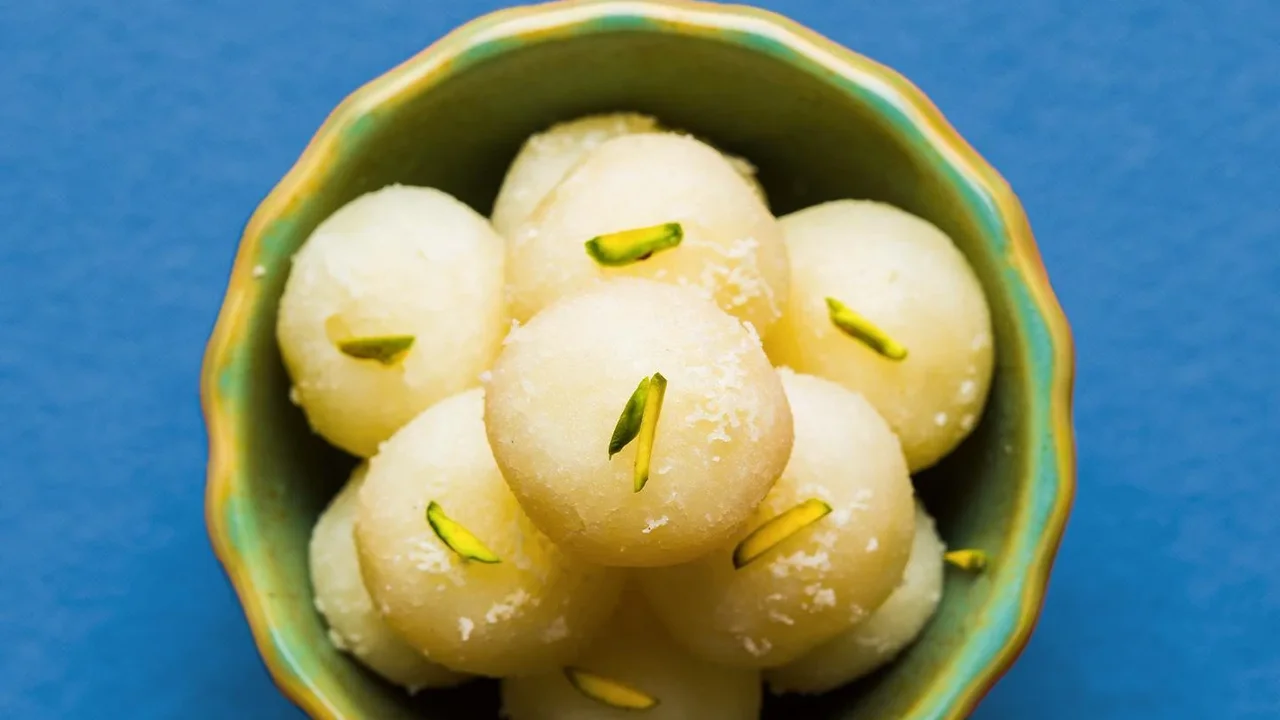
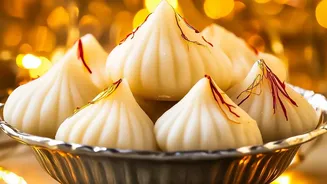
Krishna Janmashtami, the celebration of Lord Krishna's birth, is a festival of immense joy, devotion, and, of course, food. Central to the festivities is the 'chappan bhog,' an offering of 56 dishes, with milk-based sweets like peda, kheer, and panjiri
taking pride of place. For generations, these recipes, rich in ghee, milk, and sugar, have been the taste of celebration. The sweetness is not just for flavour; it's a symbol of love, abundance, and the joyous spirit of the occasion. However, as lifestyles change and health becomes a greater priority for many Indians, the traditional mithai is facing a modern challenge: how to indulge without the guilt of excess refined sugar.
The New Guard of Indian Mithai
Enter a new generation of culinary entrepreneurs, home chefs, and boutique sweet makers who are rising to this challenge. These young innovators are not rejecting tradition; they are reviving it with a contemporary, health-conscious spin. Brands like Bombay Sweet Shop, Khoya, and Gurchini are part of a larger movement that is transforming Indian sweets from a seasonal, festival-specific treat into a year-round indulgence that caters to modern palates. Their philosophy is simple: keep the soul of the mithai but upgrade the ingredients. This means swapping out refined white sugar for natural, less processed alternatives and focusing on high-quality, whole-food ingredients.
What's on the Healthy Bhog Platter?
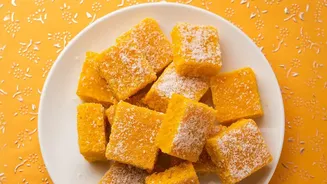
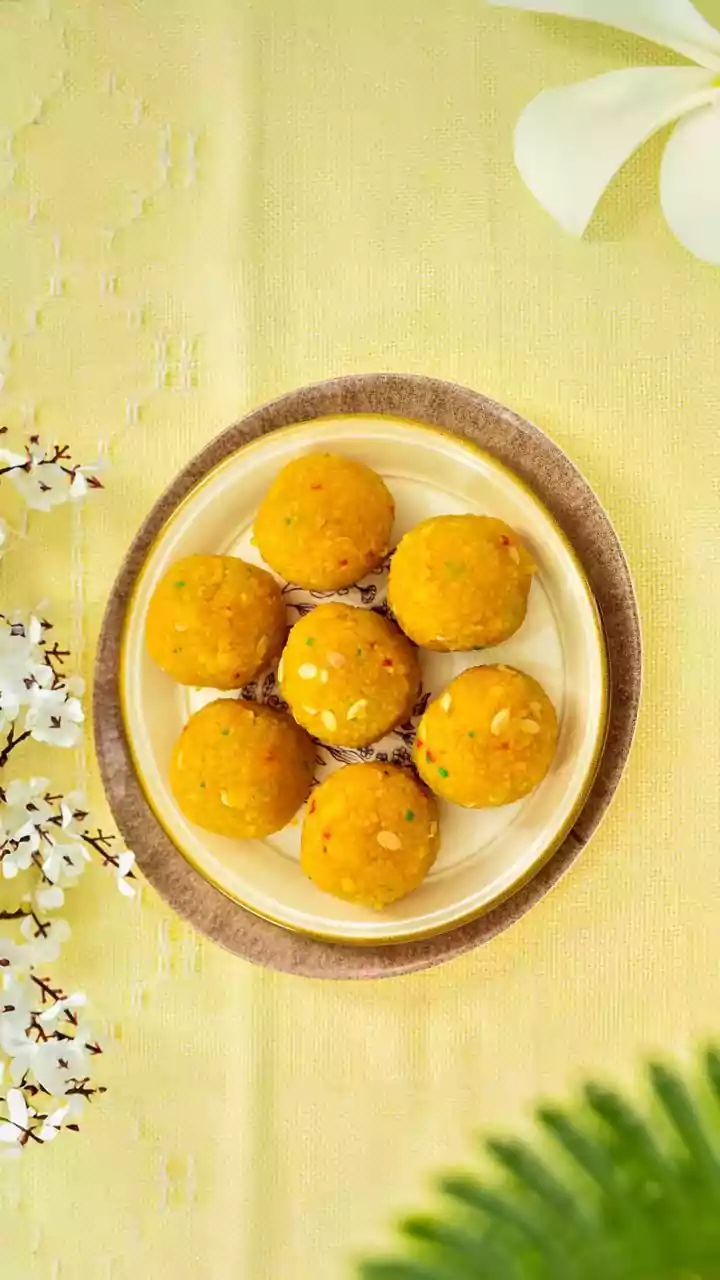
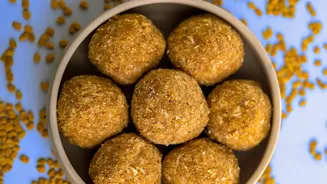
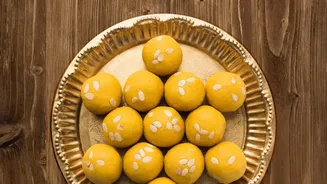
So, what do these low-sugar Janmashtami alternatives look like? The innovation is both creative and rooted in India's rich agricultural heritage. Refined sugar is replaced with natural sweeteners like jaggery (gur), date paste, figs (anjeer), honey, and stevia. Think of ladoos made not with booster-dose of sugar, but with the natural sweetness of dates and the wholesome goodness of ragi (finger millet) or oats. Pedas are reimagined with anjeer or walnuts, and kheer might be sweetened with fruit puree instead of sugar. For instance, recipes for Sattu Laddoos use a date paste for binding and sweetness, while a modern Shrikhand might use hung curd and a touch of stevia instead of heaps of sugar. These creations are often packed with nutrient-dense nuts and seeds, offering both flavour and health benefits.
Health Meets Heritage
This shift is driven by a growing awareness around health and wellness across India. With concerns about diabetes and obesity on the rise, many people are actively looking for ways to reduce their sugar intake without giving up their cultural traditions. Young culinary groups understand that for tradition to survive, it must adapt. They are proving that you can honour heritage while catering to the needs of a new, health-conscious generation. By using ingredients that have always been part of the Indian pantry—like millets, jaggery, and ghee—they are, in a way, returning to the roots of Indian cooking. This movement isn't about creating bland "diet" sweets; it's about unlocking complex, earthy flavours from natural ingredients that refined sugar often masks.
The Future of Festive Feasting
The success of these young culinary groups shows that there is a strong appetite for change. They are using social media and direct-to-consumer (D2C) business models to reach a wider audience, beautifully packaging their products and telling the story behind their healthier approach. This has transformed the perception of mithai from something heavy and old-fashioned into an artisanal product that is both premium and thoughtful. They are making Indian sweets aspirational for millennials and Gen Z, who might otherwise reach for a cupcake or a brownie. This trend is about more than just a recipe tweak; it's a cultural evolution.