
The Simple Science of Starch
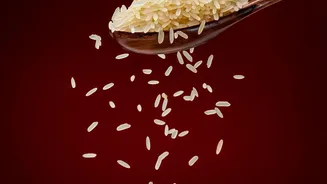
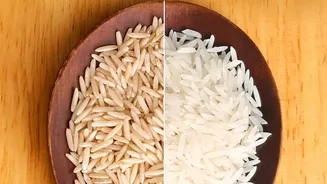
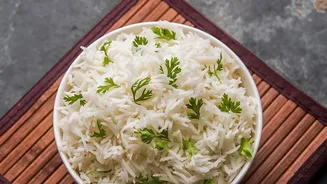
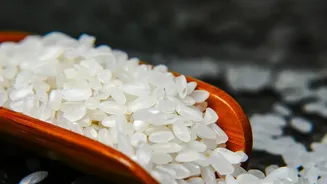
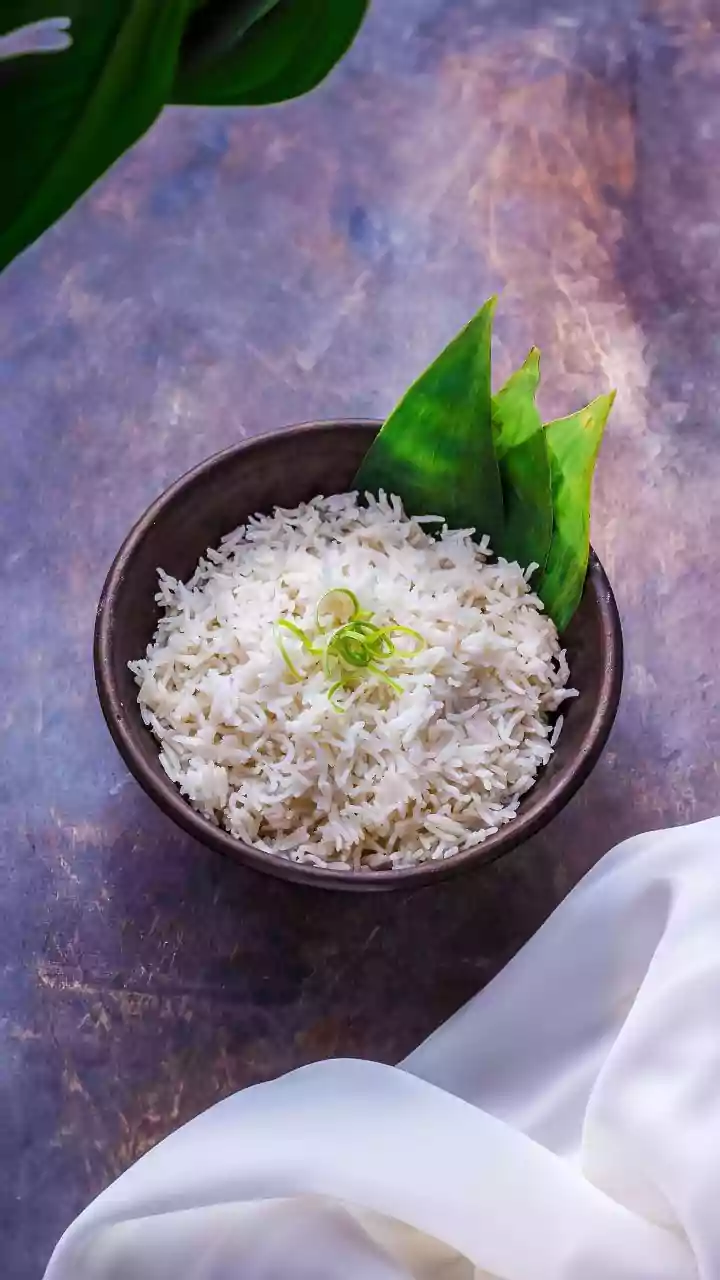
The texture of cooked grains all comes down to two types of starch: amylose and amylopectin. Think of amylose as a long, straight chain and amylopectin as a highly branched one. Grains high in amylose, like long-grain basmati rice, tend to cook up firm,
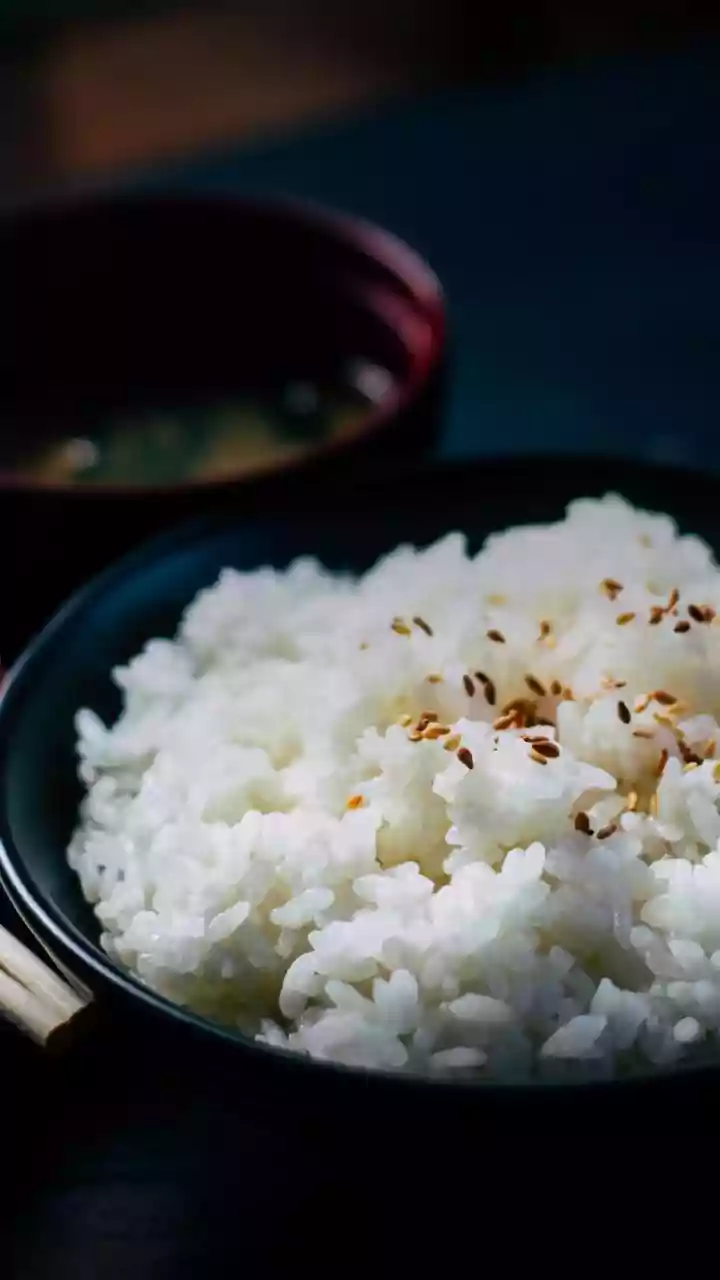
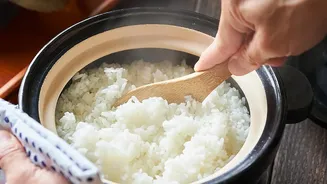
dry, and separate. Grains high in amylopectin, such as short-grain rice used for sushi or risotto, become soft, sticky, and gelatinous when cooked because the branched structure is excellent at absorbing water and breaking down. Understanding this simple difference is the first step to mastering your desired texture.
Technique 1: For Fluffy, Separate Grains
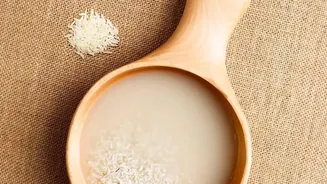
If your goal is a pilaf, biryani, or a simple side where each grain stands alone, your strategy is to minimise the external starch. The key steps are rinsing, toasting, and using the right amount of water. Long-grain rices, which are high in amylose, are your best bet here. Rinsing the rice thoroughly before cooking washes away the excess starch powder on the surface of the grains, which is the primary culprit behind stickiness. This single step is crucial for achieving a fluffy result.
The Power of Toasting
To take it a step further, try toasting the rinsed and drained grains. Heat a little ghee or oil in your pot and sauté the grains for a few minutes until they become fragrant and lightly toasted. This process does two things: it adds a wonderful nutty aroma and flavour, and it coats each grain in fat, which acts as a barrier to prevent them from sticking together during cooking. This is a fantastic technique for making flavourful rice dishes and also works well for other grains like quinoa and millet.
Technique 2: For Soft, Clumped Grains
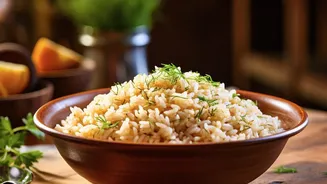
For dishes like comforting khichdi, curd rice, or a creamy risotto, you want the grains to break down and release their starch. To achieve this, you do the opposite of the above. First, do not rinse the rice. You want to keep all that surface starch, as it will dissolve into the cooking liquid and create a creamy, binding sauce. Short-grain or medium-grain varieties are ideal for this purpose, as they naturally contain more sticky amylopectin.
Water and Stirring Make a Difference
To encourage softness, use a higher water-to-grain ratio than you would for separate grains. More water allows the starch granules to swell and burst, releasing their creamy interiors. Stirring the pot occasionally, especially for dishes like risotto, is also important. The agitation helps break down the grains and release more starch, which thickens the liquid and creates that signature creamy texture. This method is perfect for when you want a porridge-like consistency from your grains.
Beyond Rice: Applying to Millets and More
These principles aren't just for rice. You can apply them to a wide variety of grains popular in Indian kitchens. For fluffy, separate quinoa, rinse it well to remove its natural bitter coating and toast it lightly before adding water. For millets like foxtail or barnyard, rinsing and using a precise water ratio will yield separate grains, while using more water and cooking longer will create a softer, porridge-like upma. The core concepts of managing surface starch, toasting, and water ratios are universal tools for any grain you cook.