
Monsoon Gardening Made Simple
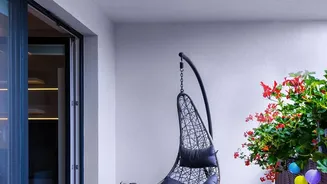
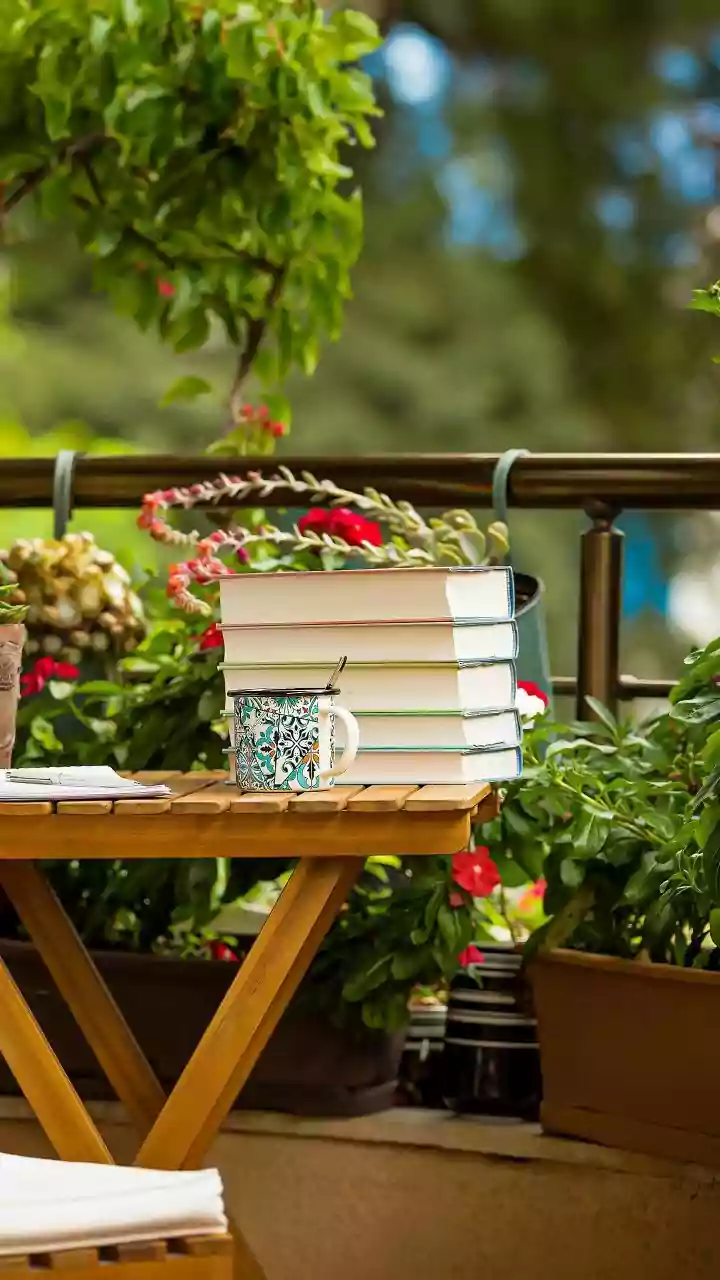
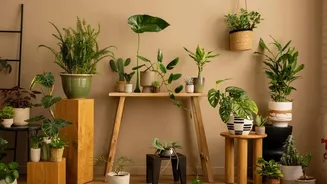
Gardening during the Indian monsoon can feel magical. The air is humid and rainfall is regular, which means plants grow faster and seeds sprout more easily. For city dwellers, this season offers a unique opportunity to transform a small balcony into a green
oasis. However, the lack of direct sunlight and the risk of overwatering can be a challenge. The key is to choose the right plants—hardy herbs that flourish in partial shade and don't demand constant attention. Excellent drainage is non-negotiable; ensure every pot has holes at the bottom to let excess water escape, preventing root rot which is a common issue during this damp season. With a few smart choices, you can enjoy a fresh, homegrown supply of herbs without the fuss.
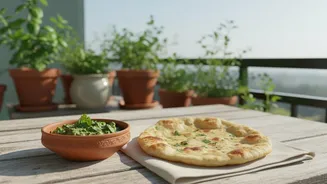
Mint (Pudina)
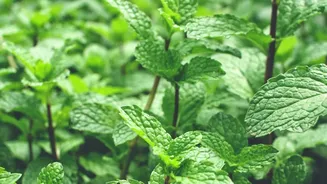
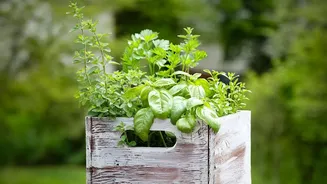
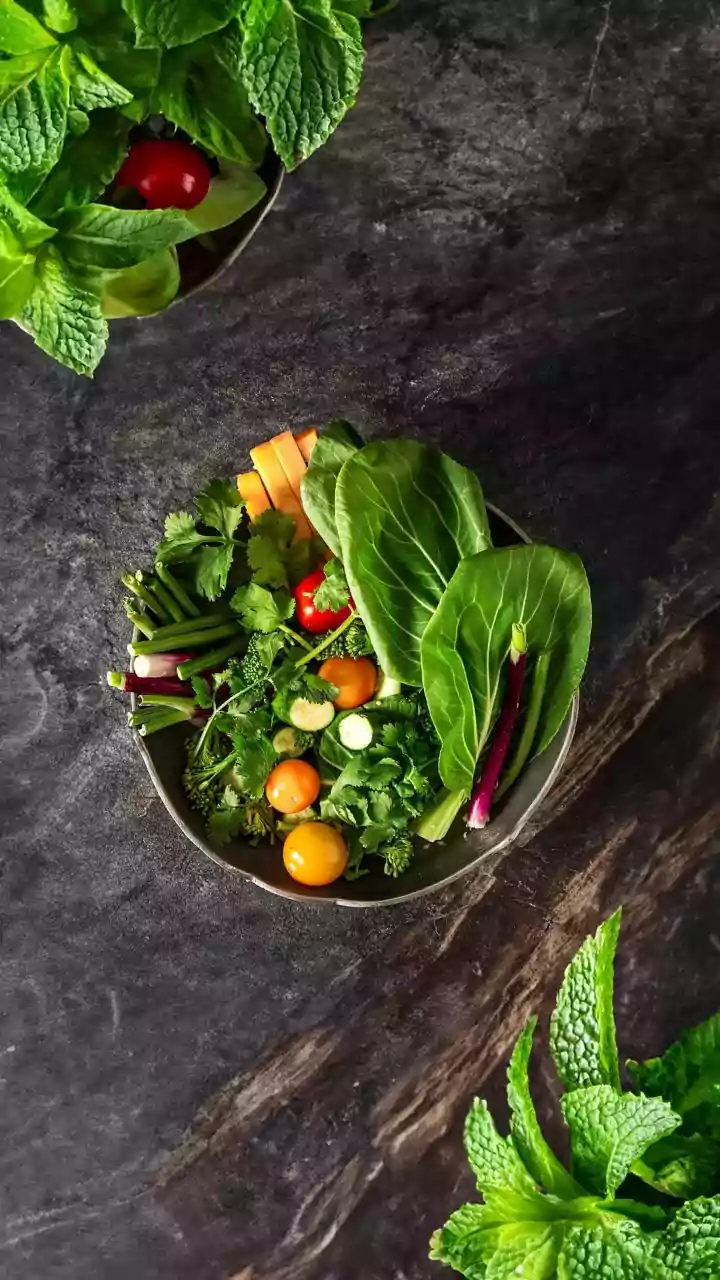
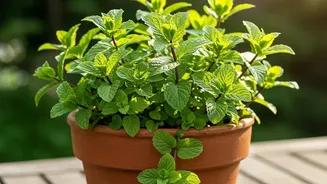
Mint is arguably the easiest herb for a beginner to grow. It’s famously resilient and spreads quickly, giving you a bountiful harvest with very little work. Mint is adaptable and thrives in partial shade, making it ideal for balconies that don’t get direct sun all day. In fact, some afternoon shade can protect it during hotter days. Its fragrant leaves are a staple in Indian kitchens, perfect for making pudina chutney, flavouring raita, or brewing a refreshing cup of tea. Plant it in its own pot to prevent it from taking over your other herbs. Keep the soil consistently moist but not waterlogged, and you’ll have a fresh supply all season long.
Holy Basil (Tulsi)
No Indian home garden feels complete without Tulsi. Revered for its medicinal properties, it’s also surprisingly easy to care for during the monsoon. Tulsi does well with indirect sunlight and doesn’t like to be drenched, so a spot on the balcony that is shielded from heavy, direct rain is perfect. It’s known to boost immunity, which is especially helpful during a season known for coughs and colds. You can start with seeds or a small plant in a pot with well-drained soil. Water it only when the top layer of soil feels dry to the touch. Pinching off the flowers will encourage the plant to produce more of its aromatic leaves.
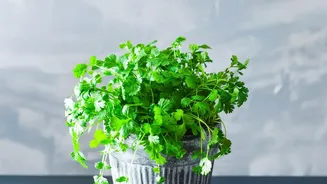
Coriander (Dhania)
Fresh coriander is essential for garnishing everything from dals to curries, but it can be tricky to grow in the summer heat. The cooler, overcast days of the monsoon are ideal for this herb. Coriander prefers a spot that gets some morning sun but is shaded from the harsh afternoon light. You can sow seeds directly into a wide, shallow pot. A key tip is to keep harvesting the outer leaves regularly; this encourages new growth and prevents the plant from bolting (flowering prematurely). With minimal effort, you can have a steady supply of fresh dhania for your daily cooking needs.
Lemongrass
If you love the fragrance of lemongrass in your chai or Thai curries, you’ll be pleased to know how simple it is to grow. Lemongrass is a hardy, grass-like plant that does well in pots and doesn't require full, direct sunlight. It enjoys the moisture and humidity of the monsoon season. You can easily propagate it from a fresh stalk from the market – just place it in a glass of water until roots appear, then plant it in a pot. It’s a low-maintenance plant that asks for little more than regular watering and a large enough pot to accommodate its growth.
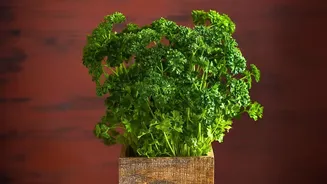
Parsley
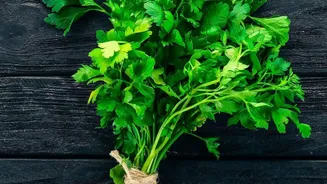
While not a traditional Indian herb, parsley has found its way into many urban kitchens for its use in salads, pastas, and as a versatile garnish. It's an excellent choice for a low-sun balcony garden. Parsley actually prefers partial shade, as too much direct sun can scorch its leaves. It grows well in the moderate temperatures of the monsoon. You can grow either the flat-leaf or curly-leaf variety in a medium-sized pot with rich, well-drained soil. Regular harvesting will promote a bushier, more productive plant. It’s a forgiving herb that adds a touch of gourmet green to your home garden.