


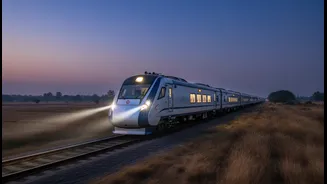




A New Dawn for Overnight Travel
After revolutionising daytime inter-city travel with its chair-car versions, the Vande Bharat platform is now venturing into the realm of long-distance overnight journeys. The first Vande Bharat sleeper service was launched on January 17, 2026, between
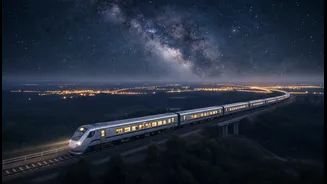
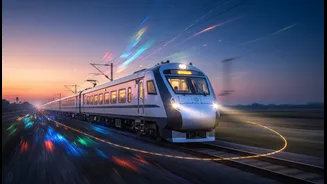
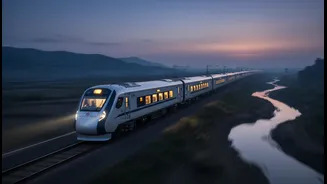
Howrah and Kamakhya, a route connecting West Bengal and Assam. This marked a significant milestone, moving the concept from a prototype, first rolled out by BEML in September 2024, to a commercially operational reality. Unlike conventional trains pulled by locomotives, these are self-propelled trainsets designed for higher speeds and quicker turnaround times, capable of reaching up to 180 km/h. The 16-coach trains are fully air-conditioned and designed to serve routes between 800 and 1,200 kilometres, directly challenging the dominance of long-standing premium trains.
What's Different Inside the Coach?
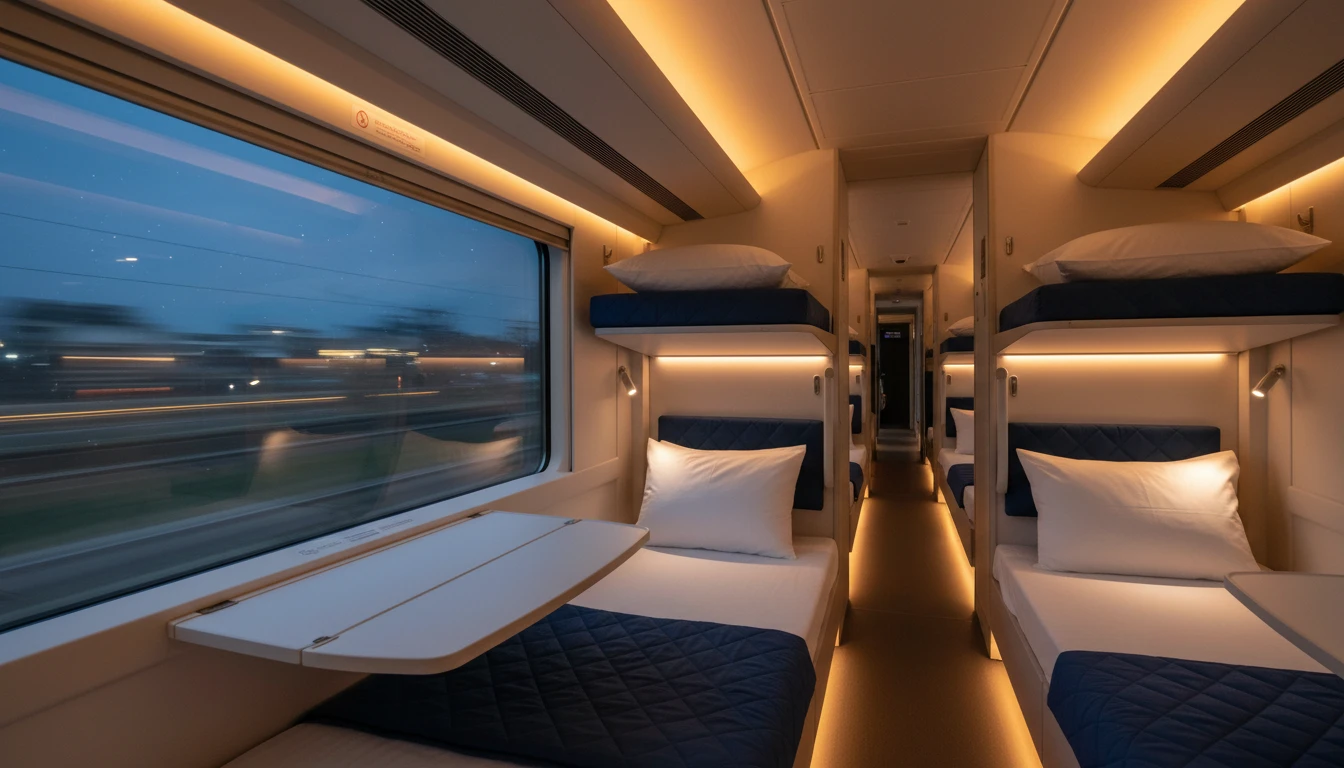
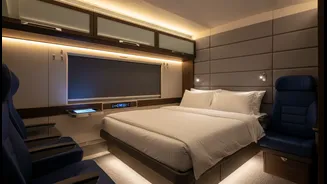
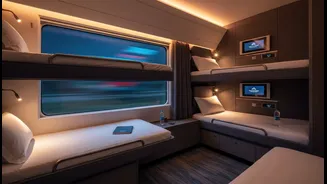
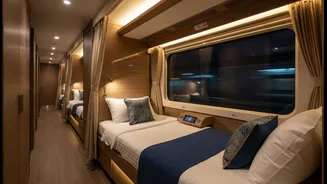
The Vande Bharat sleeper experience is centred on enhanced passenger comfort. The trains feature three classes: AC First, AC 2-Tier, and AC 3-Tier, accommodating a total of 823 passengers. Berths are designed to be wider and better cushioned for improved support. Each berth is equipped with its own reading light and charging sockets. Beyond the berths, the coaches boast improved soundproofing for a quieter journey, sensor-based water taps, bio-vacuum toilets with odour control systems, and automatic doors that seal the coaches from outside noise and dust. For First AC passengers, there's even the luxury of a hot shower facility. Safety is also a key focus, with the indigenous Kavach anti-collision system installed, alongside CCTV cameras throughout the coaches.
The Expanding Network of Routes
Following the successful launch of the Howrah-Kamakhya service, Indian Railways has been actively expanding the sleeper network. The second sleeper train, named the Sant Ravidas Express, was flagged off on July 17, 2026, connecting Varanasi in Uttar Pradesh with Chheharta (near Amritsar) in Punjab. As of mid-2026, several other major corridors are already operational, including high-demand routes like Delhi-Mumbai and Delhi-Kolkata. Proposals are also in advanced stages for other key connections. Western Railway has identified Mumbai-New Delhi as a top priority and is also considering services from Mumbai to other cities like Bengaluru. Similarly, the South Eastern Railway has proposed new services connecting Tatanagar in Jharkhand to both Mumbai and Varanasi, aiming to establish the city as a major Vande Bharat hub.
A Faster, Modern Alternative to the Rajdhani
For decades, the Rajdhani Express has been the gold standard for premium overnight travel in India. The Vande Bharat sleeper is the first true challenger to its legacy, designed to be faster and more modern. On the inaugural route, the train cut travel time by approximately three hours compared to existing services. This time-saving advantage is a core part of its appeal. The fare is positioned to be competitive, reportedly just 10-15% higher than a comparable Rajdhani ticket, offering a significant upgrade for a marginal price increase. The initial public response has been overwhelmingly positive, with tickets for the first services selling out in under a day, signalling strong passenger demand for a faster, more comfortable overnight option.
The Bigger Picture: Economic and Social Impact
The rollout of these sleeper trains is more than just an infrastructure upgrade; it's a catalyst for economic activity and social connectivity. Faster overnight travel between major commercial hubs like Mumbai, Delhi, and Kolkata can boost business travel by making next-day meetings more feasible without the need for flights. For tourism and pilgrimage, routes like the Varanasi-Chheharta service provide a more comfortable and convenient option for devotees and travellers. The project is also a showpiece for the 'Make in India' initiative, with the trainsets designed and manufactured domestically by firms like BEML and Integral Coach Factory. With plans to roll out hundreds of these trains by 2030, the Vande Bharat sleeper network is set to become a critical component of India's national development.