

A Quantum Leap in Complexity
Chandrayaan-4 represents a monumental leap in ambition for the Indian space program. While Chandrayaan-3 successfully demonstrated a soft landing with its three-module setup (Propulsion, Lander, and Rover), the upcoming sample return mission is vastly
more complex. It will involve five distinct spacecraft modules, two separate launches, and a series of perfectly choreographed manoeuvres, including robotic sample collection and, for the first time, docking in lunar orbit. If successful, India will join an elite club of nations—the US, the former Soviet Union, and China—that have retrieved lunar material. The mission is not just about collecting rocks; it's about mastering the technologies essential for future human spaceflight and even an eventual Indian landing on the Moon by 2040.
The Five-Module Orchestra
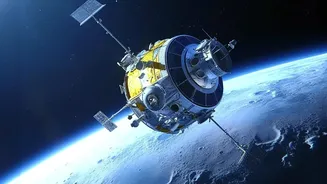
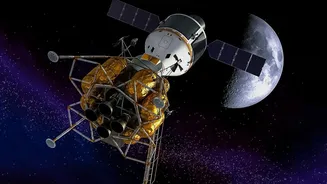
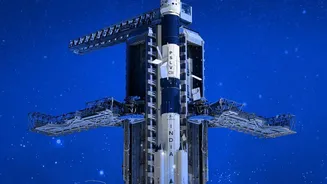
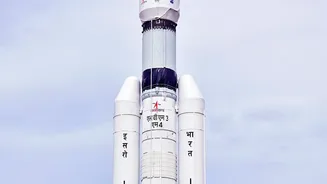
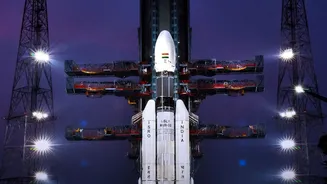
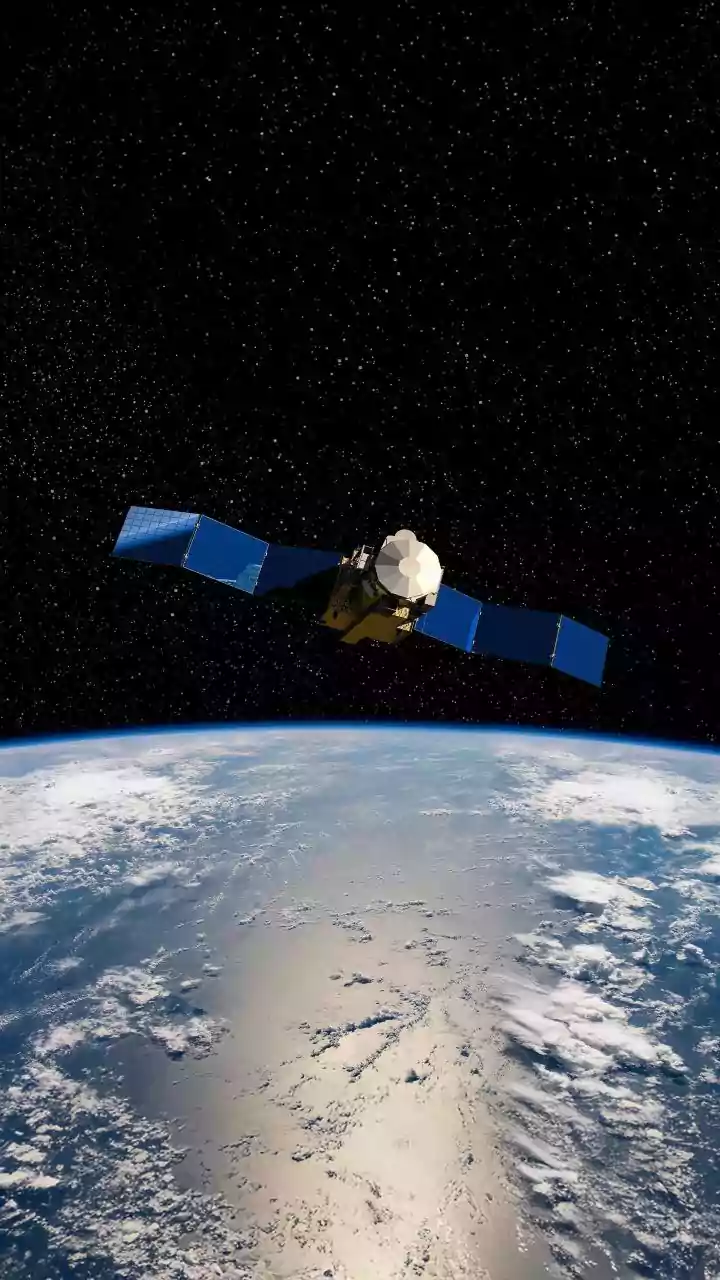
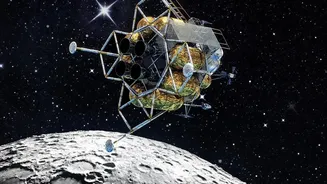
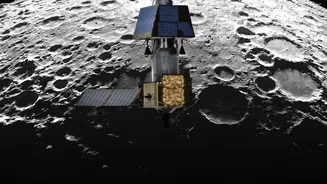
At the heart of Chandrayaan-4's complexity is its five-module architecture, with each component playing a critical role. These include the Propulsion Module (PM), Descender Module (DM), Ascender Module (AM), Transfer Module (TM), and Re-entry Module (RM). Because the combined weight of this assembly is too heavy for a single rocket, ISRO will use two of its powerful LVM3 launch vehicles. The first rocket will carry the Descender and Ascender modules, while the second will launch the Propulsion, Transfer, and Re-entry modules. This dual-launch strategy is a core part of the innovative, cost-effective approach ISRO is known for.
Assembly in Earth Orbit
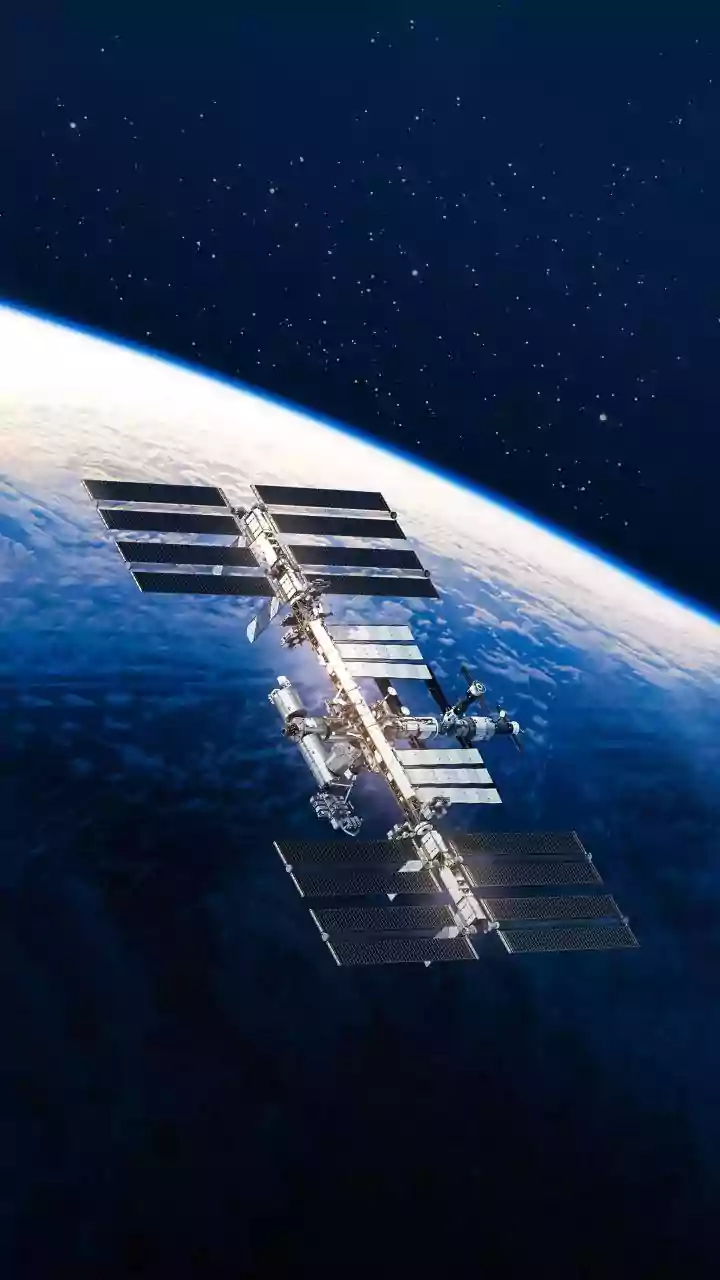
The mission's intricate dance begins in Earth's orbit. After the two separate launches, the two stacks of modules will perform a rendezvous and dock, coming together to form a single, integrated spacecraft. This is a critical manoeuvre that ISRO has been preparing for with precursor missions like the Space Docking Experiment (SPADEX). Once assembled, the powerful Propulsion Module, similar to the one used in Chandrayaan-3, will fire its engines to push the entire stack out of Earth's orbit and on a trajectory towards the Moon.
Landing, Drilling, and Lifting Off
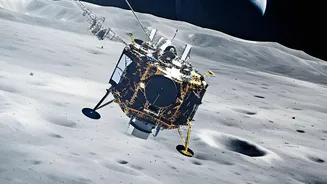
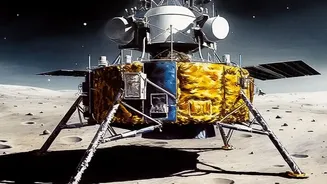
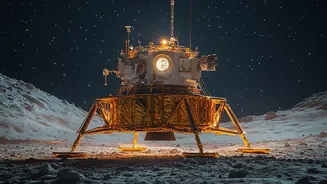
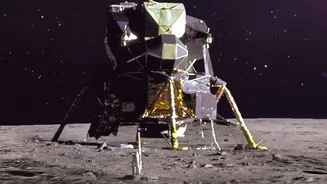
Upon reaching lunar orbit, the Descender and Ascender modules will separate and begin their powered descent to a pre-selected site near the Moon's south pole. After a safe touchdown, the mission's scientific work begins. A robotic arm on the lander will scoop up surface soil, while a drill will collect subsurface samples. These precious materials, totalling up to three kilograms, will be transferred into sealed containers inside the Ascender Module to prevent contamination. Once the samples are secured, the Ascender Module will perform another historic feat: it will launch itself from the lunar surface, using the Descender as a launchpad, and return to lunar orbit.
The Long Journey Home
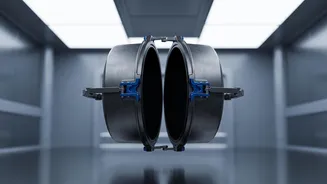
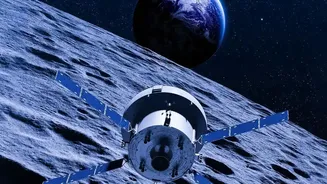
Back in lunar orbit, the Ascender Module must dock with the waiting Transfer Module. Here, another robotic transfer will take place, moving the sample container from the Ascender into the Re-entry Module. With the cargo secure, the Transfer Module will fire its engines, setting a course for home. As it nears Earth, it will release the Re-entry Module, which is designed to withstand the intense heat of atmospheric re-entry and deliver its invaluable scientific payload safely back to Indian soil. This final, fiery step completes a mission profile of unprecedented complexity for ISRO, paving the way for even bolder explorations of our solar system.