



An Emerald-Green Paradise
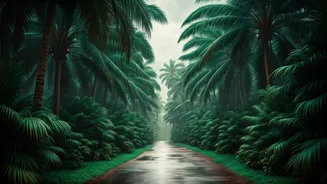
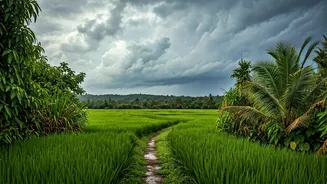
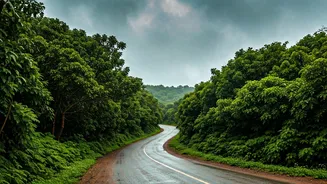
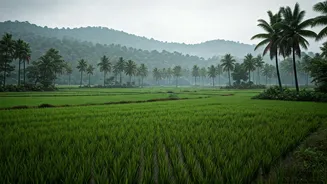
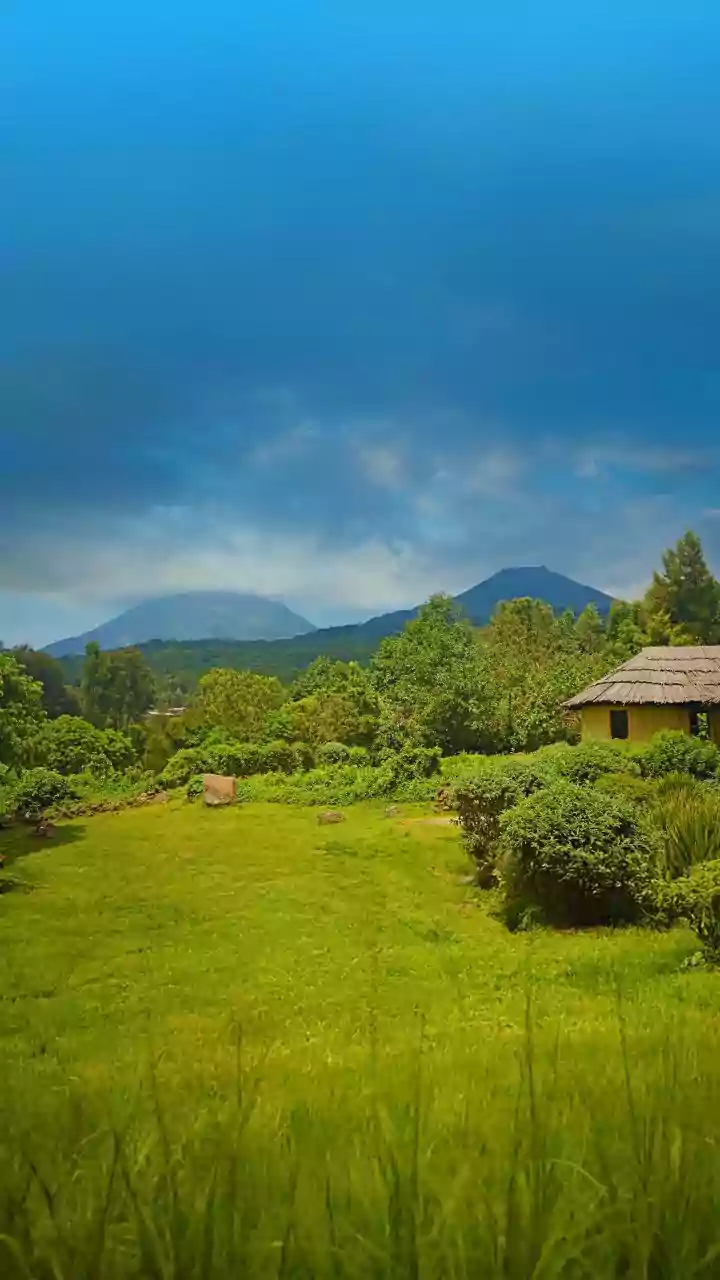
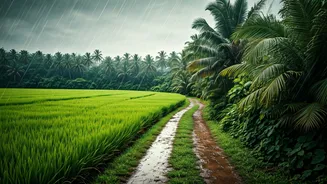
When the first monsoon showers arrive in June, Goa undergoes a cinematic transformation. The dusty, sun-baked landscapes of summer give way to a vibrant, emerald-green paradise. Paddy fields become fluorescent, the hills of the Western Ghats are shrouded
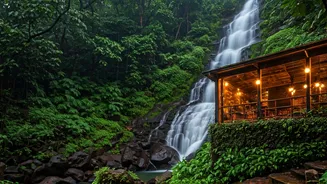
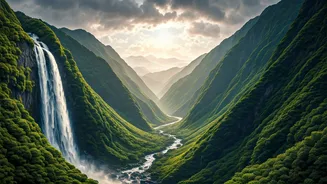
in mist, and the air fills with the earthy scent of rain-soaked soil. This explosion of life is what many now seek, a stark contrast to the state's peak tourist season. The beauty is not just on the coast; the hinterlands come alive with swollen rivers and gushing streams, offering a visual feast for those willing to venture inland. The entire state seems to breathe a sigh of relief, shedding its commercial skin to reveal a quieter, more authentic soul.
The Allure of Solitude
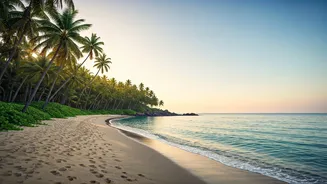
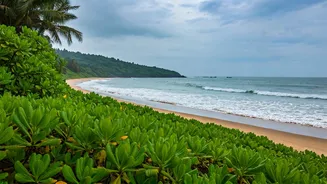
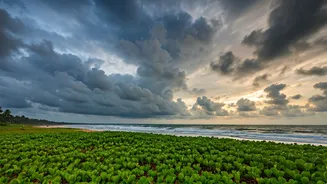
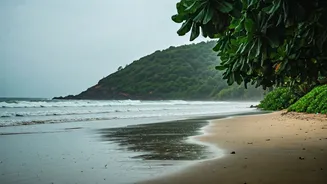
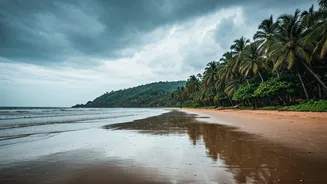
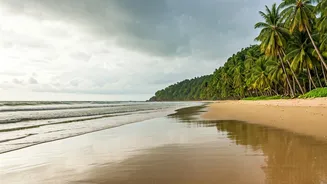
For many, the biggest draw of a monsoon trip is the peace and quiet. The beaches, famously packed from November to February, are blissfully empty. The usual chorus of vendors and tourists is replaced by the rhythmic sound of crashing waves. While the turbulent sea means swimming is often unsafe and prohibited, the experience shifts to long, meditative walks on deserted stretches of sand like Ashwem, Morjim, or the tranquil beaches of the south. This solitude is a rare luxury. The roads are also clearer, making it easier to rent a scooter and explore the winding lanes of villages like Assagao or the quiet islands of Divar and Chorao without the usual traffic.
Beyond the Beach Shacks
While many temporary beach shacks are dismantled for the season, a different kind of Goan adventure emerges. The focus shifts from sunbathing to exploration. The monsoon is the best, and often only, time to see waterfalls like Dudhsagar in their full, thunderous glory. Treks to these falls through lush wildlife sanctuaries become a primary attraction. Spice plantations welcome visitors with guided tours, offering a fragrant escape and insight into the region's culinary heritage. For adrenaline seekers, some operators offer whitewater rafting on the Mhadei River. The cultural calendar also remains active with unique monsoon festivals like São João in June, where locals celebrate the arrival of the rains.
A Budget-Friendly Escape
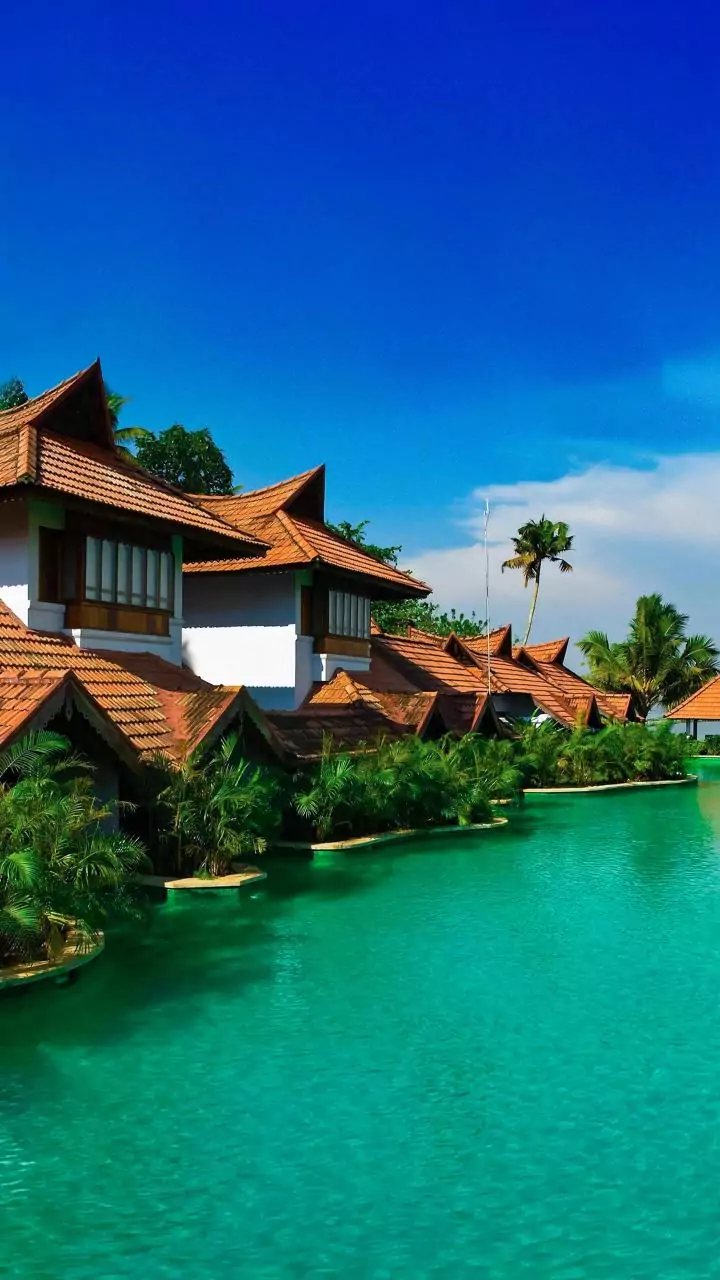
This growing trend isn't just about aesthetics; it's also about economics. The monsoon is considered the off-season, meaning prices for flights, hotels, and rentals drop significantly. Luxury resorts in South Goa, which can be prohibitively expensive in winter, offer steep discounts, making a high-end experience more accessible. This affordability allows travellers to extend their stays or simply enjoy Goa without the financial pressures of the peak season. Goa's tourism department has taken note, encouraging stakeholders to create special monsoon packages to keep the momentum going year-round, which benefits the local economy by providing more stable, year-long employment.
Know Before You Go
A monsoon visit requires a different mindset. It will rain, sometimes for hours, and humidity is high. Many seasonal businesses, especially in the quieter parts of South Goa, will be closed. However, the main tourist hubs like Baga and Calangute remain active, with permanent structures and restaurants staying open. Packing a raincoat and waterproof bags is essential. The sea is rough with strong currents, and swimming is strongly discouraged; lifeguards are often not on duty. But for the traveller who finds beauty in overcast skies and values serenity over a party scene, these are minor trade-offs for experiencing Goa at its most raw and romantic.