
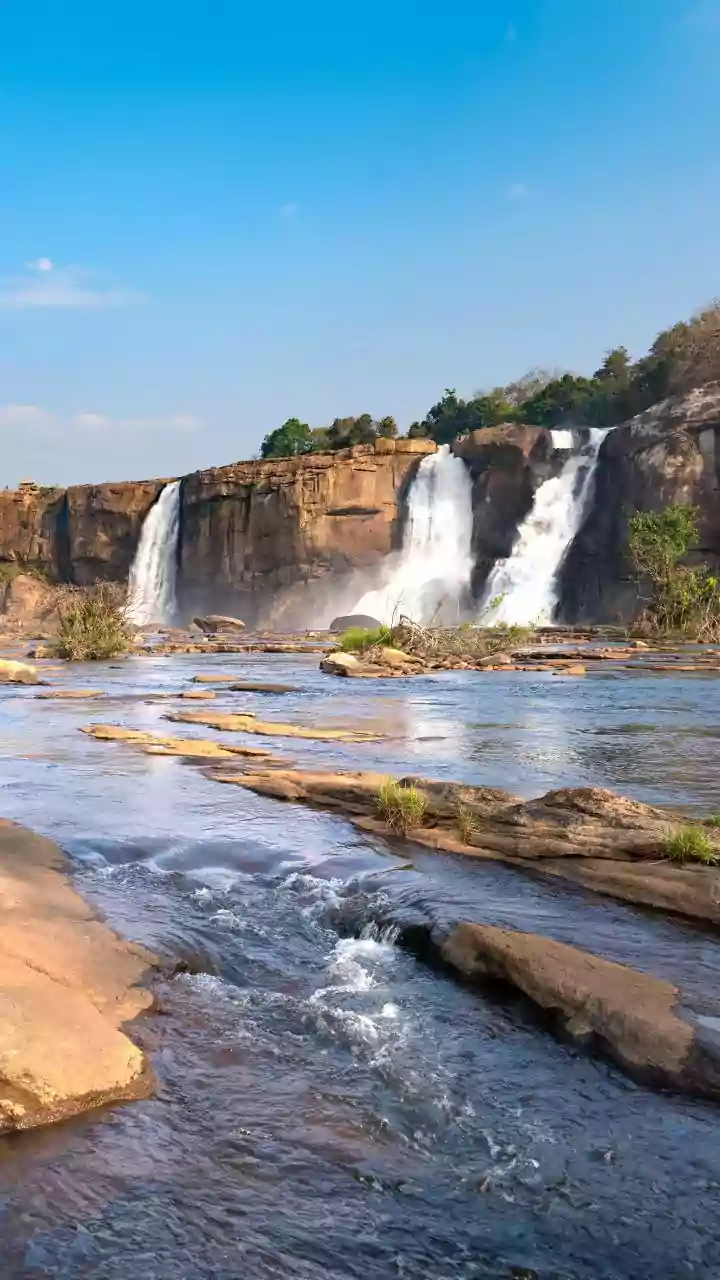
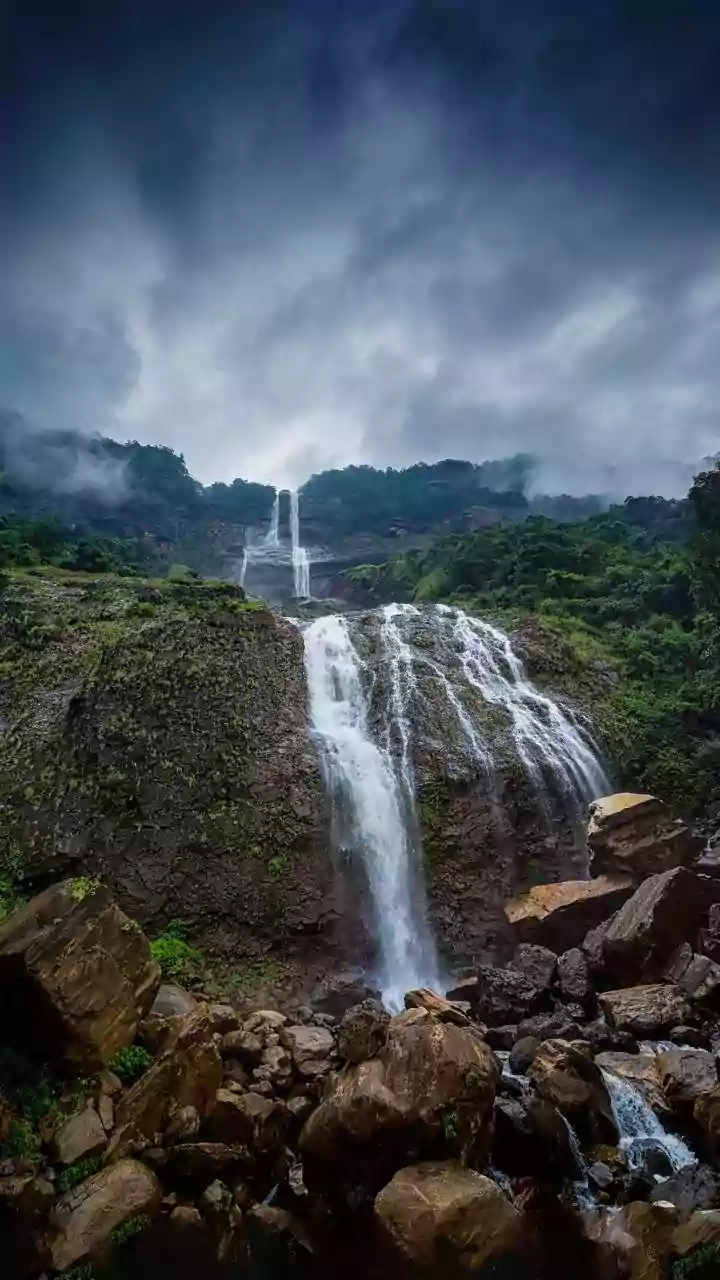



The festive season often brings a familiar dilemma: the desire for a memorable break versus the stress of planning a grand vacation. This year, a growing number of Indians are finding a simple solution by looking closer to home.
The New Festive Blueprint: Short and Sweet
The era of the single,
long annual holiday is evolving. Many travellers are now opting for multiple, shorter getaways, a trend that intensifies during the festive months. According to a report from backpacker hostel chain Zostel, nearly one in four travellers booked more than one trip between October and December last year. This pattern highlights a significant shift in how people approach their vacation time. Instead of putting all their energy and budget into one big trip, they are spreading their leave across several smaller, more manageable escapes. This approach allows for more frequent breaks from routine without the exhaustive planning and financial commitment of a long-haul journey. Reports show that festive bookings for 2026 are already tracking significantly ahead of last year, underscoring the sustained momentum of this trend.
Convenience is the New Mantra
What’s driving this change? In a word: convenience. For many, the thought of navigating packed airports and long train journeys during peak festive season is a major deterrent. Shorter, regional trips minimise travel time and associated stress, freeing up more time to actually relax and celebrate. This desire for practicality is reflected in booking habits, with many trips being spontaneous. Data shows that the average festive trip lasts just two nights, with a significant number of travellers booking within a few days of their arrival, or even on the day of check-in. This spontaneity is made possible by improved road connectivity and the ease of booking transport and stays via online platforms. Travellers are increasingly prioritising functional benefits like lightweight luggage and easy mobility, further signalling a preference for hassle-free journeys.
The 'Bleisure' Effect and Flexible Lifestyles
The rise of 'bleisure'—blending business and leisure—is another key factor. With flexible work arrangements becoming more common, professionals can more easily extend a work trip by a day or two for a mini-vacation. This lifestyle shift makes short, regional trips a practical option. Younger generations, in particular, are driving this trend. A 2026 travel outlook report noted that a majority of Gen Z travellers in India plan to take between one and six trips a year, with most preferring shorter stays of one to seven days. This move towards more frequent, experience-led travel is reshaping the tourism landscape, making destinations that are easily accessible from major urban hubs increasingly popular.
A Boost for Local Economies
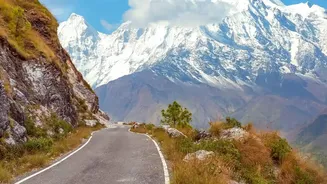
This trend is providing a significant economic boost to smaller towns and regional destinations. While classic spots like Goa and Udaipur remain popular, travellers are increasingly exploring places that offer unique cultural, natural, or spiritual experiences without the overwhelming crowds. For the 2026 festive season, accommodation searches have surged for destinations like Puri, Ooty, and Munnar. Even more telling is the rapid growth in bookings for lesser-known Himalayan destinations, which have seen a nearly threefold increase compared to last year. This dispersal of tourism helps support local economies, create jobs, and promotes balanced regional development, a key focus of national tourism strategy.